The daytime dozing was less disruptive by the second week, especially during meetings. I still needed my airway treatment at night, and the first few days included a mild headache.
Excessive daytime sleepiness can occur with narcolepsy, obstructive sleep apnoea, or night-shift work. Modvigil contains modafinil, a wakefulness-promoting agent used to improve alertness in these conditions.
Product information
Modafinil acts on several brain signalling systems involved in alertness, including dopamine transport, noradrenaline, histamine, and orexin pathways. Its pharmacology differs from traditional amphetamine-based stimulants and from methylphenidate, although it can still cause insomnia, headache, anxiety, or cardiovascular effects in some people [1].
Dosage and administration
The dose depends on the purpose of treatment and is agreed with a doctor or pharmacist. Modvigil is taken by mouth as tablets, commonly in the morning when used for daytime sleepiness.
- Take the prescribed dose in the morning unless a sleep specialist gives different timing instructions.
- Shift-work treatment may use a timing plan linked to the work period rather than the usual morning schedule.
- Swallow the tablet with water.
- Avoid taking it late in the day unless specifically directed, because delayed dosing can interfere with night-time sleep.
- If a dose is missed, take it only when the timing still allows normal sleep. Do not double the next dose.
- Do not change the daily amount to compensate for inadequate sleep.
The duration of treatment depends on the diagnosis and response. A person with obstructive sleep apnoea may still need continuous positive airway pressure or another prescribed airway treatment. Modafinil should not be used to make prolonged sleep deprivation feel manageable.
Food may delay the onset of action for some people without eliminating the medicine’s effect. Keeping the timing consistent makes it easier to judge benefit and identify insomnia caused by dosing too late.
Ingredients
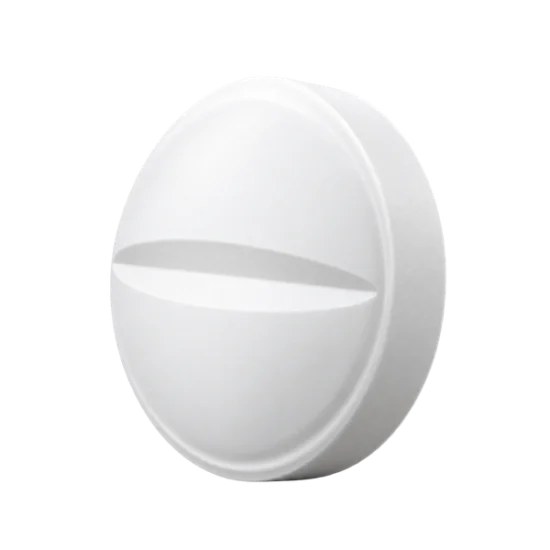
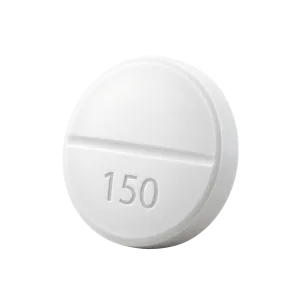
Modvigil is supplied as tablets. The appropriate amount and frequency depend on the reason for treatment and are agreed with a doctor or pharmacist. Prescription-only control applies to modafinil in many jurisdictions, including settings where medicines are regulated through national authorities such as MOHAP.
How it affects the body
Modafinil increases wakefulness through a broad neurochemical effect rather than one single stimulant pathway. It inhibits the dopamine transporter, raising dopamine signalling in selected brain regions. It also influences noradrenaline, histamine, glutamate, and orexin activity while reducing some GABA-related sleep-promoting signalling.
This combination can improve alertness, attention, and the ability to remain awake during the day. The response varies by diagnosis, sleep duration, coexisting illness, and the presence of untreated breathing-related sleep disruption. Modafinil does not replace regular sleep.
The European Medicines Agency has recognised modafinil’s role in excessive sleepiness associated with narcolepsy, while its use in other sleep-related conditions requires careful assessment of the individual clinical situation [2].
Therapeutic indications
Clinical uses
Modvigil may be prescribed for:
- Excessive daytime sleepiness caused by narcolepsy.
- Persistent sleepiness associated with obstructive sleep apnoea, alongside treatment of the airway obstruction.
- Sleepiness related to shift-work sleep disorder when the work schedule produces clinically significant wakefulness problems.
- Selected specialist situations where a sleep physician considers wakefulness treatment appropriate.
Narcolepsy may include sudden sleep episodes, cataplexy, sleep paralysis, or vivid experiences around sleep. Modafinil can improve wakefulness but does not necessarily control every symptom of narcolepsy, especially cataplexy.
Common mistakes
Several habits can make Modvigil appear ineffective or poorly tolerated:
- Taking the tablet late to compensate for a missed morning dose.
- Using extra caffeine to intensify its effect.
- Treating the medicine as permission to sleep fewer hours.
- Stopping prescribed obstructive sleep apnoea treatment.
- Forgetting to mention hormonal contraception before starting.
- Continuing treatment after a new rash appears.
- Combining it with recreational stimulants or non-prescribed wakefulness products.
- Taking an extra tablet after a poor night’s sleep.
- Assuming improved alertness means the underlying sleep disorder has resolved.
One easily missed issue is contraceptive failure. Modafinil can reduce hormonal contraceptive reliability even when menstrual bleeding remains unchanged, so contraception planning must occur before treatment begins.
Another practical problem is taking the tablet alongside several strong caffeinated drinks. The combination may produce a racing heartbeat, tremor, anxiety, or a later sleep deficit that undermines the next day’s benefit.
When not to use it
Modvigil is not suitable for everyone. The following situations require a clear medical decision before treatment:
- Previous allergy or serious skin reaction to modafinil or related compounds.
- Current unexplained rash, especially with fever, blisters, mucosal sores, or skin peeling.
- Significant heart disease, uncontrolled hypertension, or a history of serious rhythm problems.
- History of mania, psychosis, severe agitation, or unstable psychiatric illness.
- Significant liver impairment, which may require a lower prescribed dose.
- Pregnancy, planned pregnancy, or breastfeeding.
- Use of hormonal contraception, including combined pills, progestogen-only pills, implants, injections, patches, and some hormone-releasing devices.
- Use of medicines that strongly affect liver enzymes.
- Concurrent use of medicines that can cause serious interactions or excessive stimulation.
Tell the prescriber about antidepressants, antipsychotics, seizure medicines, anticoagulants, immunosuppressants, sedatives, and hormonal therapies. Modafinil can alter concentrations of medicines metabolised by hepatic enzymes. It may also affect the metabolism of ciclosporin, warfarin, and some antiseizure treatments.
When this is not for you
Modafinil can reduce the reliability of hormonal contraceptives during treatment and for a period after the last dose because it induces CYP3A4/5 enzymes. A non-hormonal contraceptive method may be needed during treatment and for the interval specified by the prescriber after stopping. The exact plan depends on the contraceptive type. Modvigil is not for you if you have a history of serious skin reactions, uncontrolled cardiovascular disease, unstable psychiatric illness, or unexplained sleepiness that has not been clinically assessed.
Possible side effects
Headache, nausea, reduced appetite, nervousness, dry mouth, dizziness, and insomnia are recognised adverse effects of modafinil. Some people describe a noticeable increase in alertness, while others experience tension or an uncomfortable sense of being unable to relax. Clinical trial and regulatory information identifies headache and insomnia among the more frequent reactions [3].
Common problems include:
- Headache, often during the early treatment period.
- Nausea or stomach discomfort.
- Reduced appetite.
- Dry mouth.
- Anxiety, irritability, or restlessness.
- Difficulty falling asleep.
- Palpitations or an increased awareness of the heartbeat.
- Dizziness or blurred vision.
A headache that appears after every dose may improve with timing adjustment, hydration, or a clinician-approved change in treatment. Persistent insomnia deserves attention rather than repeated use of sleeping aids without review. Combining modafinil with excess caffeine can intensify tremor, anxiety, palpitations, and sleep disruption.
A severe skin rash requires urgent medical assessment. Stop taking modafinil and seek urgent care if a rash is accompanied by blistering, peeling, mouth sores, facial swelling, fever, eye irritation, or unusual skin tenderness. Serious hypersensitivity reactions, including Stevens–Johnson syndrome and drug reaction with eosinophilia and systemic symptoms, are rare but potentially life-threatening.
Seek urgent medical attention for chest pain, fainting, severe shortness of breath, a fast or irregular heartbeat, marked agitation, hallucinations, suicidal thoughts, facial or throat swelling, or signs of severe allergic reaction. The FDA prescribing information describes serious psychiatric, cardiovascular, and dermatological warnings requiring prompt assessment [4].

Comparison
The most appropriate wakefulness treatment depends on the diagnosis, cardiovascular history, psychiatric history, other medicines, and the pattern of sleepiness.
| Treatment approach | Main pharmacological role | Practical limitation |
|---|---|---|
| Modafinil | Promotes wakefulness through dopamine, noradrenaline, histamine, orexin, glutamate, and GABA-related pathways | Can cause headache, insomnia, nausea, anxiety, and important drug interactions |
| Methylphenidate | Increases central dopamine and noradrenaline signalling through transporter inhibition | May produce appetite loss, palpitations, anxiety, blood-pressure elevation, or misuse concerns |
| Sodium oxybate | Consolidates night-time sleep and can reduce selected narcolepsy symptoms | Requires strict night-time dosing and has major central nervous system and interaction precautions |
Modafinil is often considered when sustained daytime wakefulness is the main treatment goal. Methylphenidate may be selected when a stronger traditional stimulant effect is needed, while sodium oxybate addresses night-time sleep architecture in selected narcolepsy cases. These options are not interchangeable, and the choice belongs within a sleep-medicine treatment plan.
What doctors say
Sleep physicians generally treat Modvigil as part of a wider sleep-management plan. The practical goal is safer daytime functioning, not the ability to sleep less without consequences.
A doctor will usually assess the sleep diagnosis, night-time sleep quality, work schedule, blood pressure, mental health, pregnancy possibility, and current medicines before starting treatment. For obstructive sleep apnoea, persistent sleepiness should prompt assessment of adherence and response to airway therapy rather than automatic escalation of wakefulness treatment.
In clinical practice, the first useful sign may be fewer unplanned dozing episodes rather than a dramatic feeling of stimulation. A patient who feels unusually euphoric, irritable, suspicious, or driven to take extra tablets needs prompt review.
Modafinil may improve wakefulness while leaving reaction time, judgement, or driving ability impaired if the person remains severely sleep deprived. The WHO identifies sleep-related impairment as a significant safety concern, especially for driving and occupational tasks [5].
Comparison
Common questions
Which symptoms mean stopping Modvigil and seeing a doctor urgently?
Stop further doses and seek urgent medical attention for blistering or peeling skin, mouth sores, facial swelling, fever with a rash, breathing difficulty, chest pain, fainting, severe palpitations, hallucinations, or suicidal thoughts. The European Medicines Agency's 2010 referral identifies serious skin and hypersensitivity reactions as reasons for immediate medical evaluation. A mild headache is different from a rash with mucosal sores or skin tenderness. Do not wait for a rash to spread before seeking help.
Which diet, exercise, or habits help or hinder the result?
Regular night-time sleep, a stable wake schedule, moderate caffeine use, hydration, and treatment of obstructive sleep apnoea support the intended effect. Sleep deprivation, rotating schedules, excess caffeine, alcohol-related sleep disruption, and late dosing can reduce practical benefit or worsen insomnia. The American Academy of Sleep Medicine's 2023 clinical guidance emphasises consistent management of the underlying sleep disorder alongside wakefulness treatment. Exercise can support sleep quality, but strenuous activity close to bedtime may make insomnia worse for some people.
Is Modvigil suitable for older adults?
Older adults may be more sensitive to blood-pressure changes, insomnia, dizziness, psychiatric effects, and medicine interactions. The FDA's 2023 prescribing information recommends careful consideration of liver and kidney function, coexisting illness, and concurrent treatment when modafinil is used in older patients. A doctor may choose a cautious starting plan and monitor response more closely. New confusion, falls, chest symptoms, or marked agitation require prompt medical review.
How does Modvigil differ from methylphenidate?
Modvigil contains modafinil, which promotes wakefulness through several pathways involving dopamine transport, histamine, orexin, noradrenaline, glutamate, and GABA-related signalling. Methylphenidate primarily increases dopamine and noradrenaline signalling through transporter inhibition. The European Medicines Agency's 2010 referral describes modafinil as a wakefulness-promoting treatment with a different pharmacological profile from traditional stimulant therapy. Both can cause insomnia, appetite changes, anxiety, and cardiovascular symptoms, so one is not automatically safer for every patient.
What should be discussed with a doctor before starting Modvigil?
Discuss the exact sleep diagnosis, blood pressure, heart rhythm history, psychiatric history, pregnancy possibility, breastfeeding, hormonal contraception, liver disease, and every prescription or non-prescription medicine. The FDA's 2023 prescribing information advises attention to psychiatric symptoms, serious rash, cardiovascular effects, and interactions that alter hormone exposure. Tell the prescriber about anticoagulants, seizure treatment, antidepressants, antipsychotics, sedatives, and medicines processed by liver enzymes. Mention any previous unexplained rash caused by a medicine.
How long does one Modvigil dose keep working?
The wakefulness effect commonly extends through much of the daytime or planned waking period, though duration varies with the prescribed amount, metabolism, sleep debt, and diagnosis. The FDA's 2023 pharmacology information reports a long elimination half-life for modafinil, which explains why late dosing can interfere with night-time sleep. A dose should not be repeated simply because tiredness returns later in the day. A persistent return of sleepiness may indicate inadequate sleep, untreated apnoea, a changing medical condition, or the need for treatment review.
Do you offer anonymous delivery?
Your order will be securely packed and shipped within 24 hours. This is exactly what your package will look like (images of an actual item sent). It has the size and look of a regular private letter (24x11x0.7 cm) and its contents cannot be seen.
Reviews: Modvigil
It helped me stay awake during the first half of the night shift. When I took it too late after changing shifts, I could not sleep properly the next morning, so timing became the main issue.
The improvement was useful but not dramatic. Nausea bothered me after the first tablets and settled when I took the medicine with a light meal.
I had fewer accidental naps at work. I also noticed more tension and drank less coffee because the combination made my heart feel fast.
A rash appeared with itching after starting treatment. I stopped taking further tablets and sought urgent medical advice rather than waiting to see whether it would disappear.
Sources
- U.S. Food and Drug Administration (2023). Provigil (modafinil) Prescribing Information
- European Medicines Agency (2010). Modafinil-containing medicinal products: referral under Article 31 of Directive 2001/83/EC
- U.S. National Library of Medicine (2024). Modafinil: MedlinePlus Drug Information
- U.S. Food and Drug Administration (2023). Medication Guide: Modafinil Tablets
- World Health Organization (2023). Global Status Report on Road Safety