My daytime sleepiness became easier to manage during meetings, and I stopped nodding off after lunch. The first week brought a dry mouth and a faster heartbeat, so my doctor reviewed my blood pressure and timing.
Armodafinil
Patients with narcolepsy, obstructive sleep apnoea, or shift work sleep disorder may receive Armodafinil to improve excessive daytime wakefulness. Armodafinil is a wakefulness-promoting medicine containing the R-enantiomer of modafinil, with effects that can support alertness during planned daytime or work periods.
Product information
The treatment target is improved wakefulness during a defined period. It does not cure narcolepsy or obstructive sleep apnoea. Armodafinil belongs to the wakefulness-promoting medicine class.
Dosage and administration
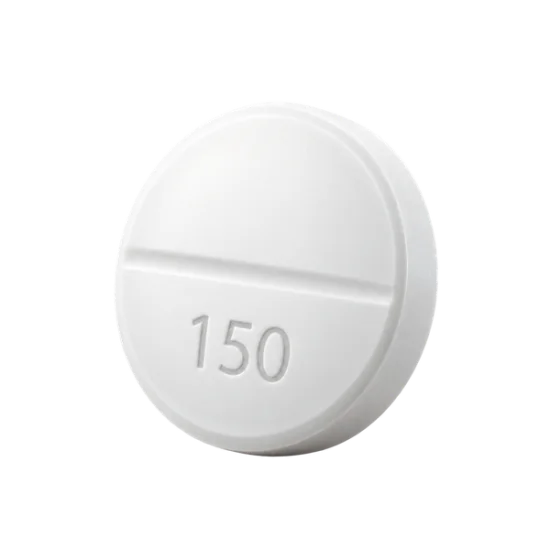
- Take one 150-marked Armodafinil pill by mouth once daily, as prescribed.
- For narcolepsy or obstructive sleep apnoea, take it each morning.
- For shift work sleep disorder, take it about one hour before the work shift begins.
- Take the pill with or without food and swallow it with water.
- Use Armodafinil for the duration prescribed by the clinician; the appropriate duration and amount differ between users and strengths.
- Avoid taking it late in the day unless specifically instructed, because it may make nighttime sleep more difficult.
Ingredients
Armodafinil is a wakefulness-promoting medicine containing the R-enantiomer of modafinil. The tablet marked 150 is used to support alertness during planned daytime or work periods in adults with excessive daytime sleepiness linked to narcolepsy, obstructive sleep apnoea, or shift work sleep disorder.
How it affects the body
Armodafinil is the R-enantiomer of modafinil. Modafinil contains both R- and S-enantiomers, while Armodafinil contains only the R-form. The two medicines promote wakefulness through complex central nervous system activity involving dopamine transport, noradrenergic signalling, orexin-related pathways, and histamine systems.
Therapeutic indications
Armodafinil belongs to the wakefulness-promoting medicine class. It is used in adults with excessive daytime sleepiness linked to narcolepsy, obstructive sleep apnoea, or shift work sleep disorder. The 150 marking corresponds to the tablet strength sold on this page.
Approved Clinical Indications
- Narcolepsy: This neurological sleep disorder can cause irresistible daytime sleep episodes, persistent sleepiness, and sudden loss of muscle tone in some patients. Armodafinil may improve wakefulness during normal waking hours.
- Obstructive sleep apnoea: Repeated upper-airway obstruction during sleep can cause fragmented sleep and daytime somnolence. Armodafinil is used as an adjunct when the airway disorder is being treated but sleepiness remains.
- Shift Work Sleep Disorder: Rotating or overnight work can create a mismatch between the body clock and required working hours. Armodafinil may help maintain alertness during the scheduled shift.
A person taking Armodafinil for obstructive sleep apnoea still needs appropriate treatment for the breathing disorder. The drug can reduce daytime sleepiness while the underlying apnoeas remain clinically significant.
Common mistakes
Several patterns reduce benefit or increase avoidable problems:
- Taking the tablet too late. Late dosing can shift sleep onset and create a cycle of daytime tiredness.
- Using it to compensate for repeated short nights. Wakefulness promotion does not restore the cognitive and physical functions of normal sleep.
- Stopping prescribed sleep-apnoea treatment. Armodafinil does not keep the upper airway open.
- Adding caffeine or stimulant products automatically. Combined stimulation may worsen anxiety, tremor, palpitations, or insomnia.
- Ignoring a new rash. Waiting for a rash to settle can delay recognition of a serious hypersensitivity reaction.
- Forgetting contraception interactions. Hormonal contraception may become less reliable during and after Armodafinil treatment.
- Assuming no sleepiness means no impairment. Long shifts and accumulated sleep debt can still affect judgement and reaction time.
- Sharing tablets. The appropriate dose and indication depend on diagnosis, comorbidities, and interacting medicines.
A split tablet may not provide the same dose distribution as an intact tablet. Unless the prescriber has confirmed that splitting is appropriate for the specific tablet, swallowing it whole is the safer routine.
When not to use it
Armodafinil is not suitable for people with a previous serious hypersensitivity reaction to Armodafinil, modafinil, or an excipient in the tablet. A history of a severe drug-related rash, facial swelling, breathing difficulty, or anaphylaxis rules out further use.
Cardiovascular findings require careful assessment rather than automatic assumptions. Uncontrolled moderate-to-severe hypertension, clinically significant cardiac arrhythmias, ischaemic ECG changes, chest pain, left ventricular hypertrophy, or signs associated with mitral valve prolapse require medical review before treatment. Blood pressure and pulse may rise during therapy.
Cardiovascular Contraindications
Armodafinil should not be started without clinical evaluation when a person has:
- Uncontrolled hypertension.
- Active chest pain or suspected myocardial ischaemia.
- A significant untreated cardiac arrhythmia.
- Recent serious cardiovascular disease.
- Concerning ECG abnormalities.
- Symptoms suggesting structural heart disease.
Armodafinil can interact with medicines that affect the central nervous system. It may reduce the concentration of some hormonal contraceptives, alter exposure to ciclosporin, and affect medicines metabolised through CYP3A4, CYP2C19, or CYP1A2 pathways.
The FDA prescribing information describes cardiovascular monitoring because stimulatory effects can increase blood pressure or heart rate in susceptible patients [1].
When this is not for you
Armodafinil may not be for you if you have a serious prior hypersensitivity reaction, untreated cardiovascular disease, unstable psychiatric illness, or untreated obstructive sleep apnoea.
A history of psychosis, mania, bipolar disorder, major depression, suicidal thoughts, or severe anxiety requires a clear treatment plan and observation for mood changes. Agitation, unusually elevated mood, racing thoughts, hallucinations, or new suicidal thinking need prompt medical attention.
Stop Armodafinil and obtain urgent medical assessment if a rash appears with blistering, peeling skin, mouth sores, facial swelling, fever, breathing difficulty, or eye involvement. Serious cutaneous reactions are uncommon, but early symptoms can progress rapidly. The WHO pharmacovigilance framework treats severe skin reactions as events requiring prompt evaluation rather than continued self-observation [2].
Possible side effects
Common adverse effects include headache, nausea, dry mouth, dizziness, reduced appetite, anxiety, insomnia, and increased heart rate. Some people report feeling tense or overstimulated during the first days of treatment. Taking the dose earlier can help when difficulty sleeping is related to late administration.
Other possible effects include diarrhoea, indigestion, back pain, blurred vision, palpitations, and mood changes. The frequency and severity vary between individuals, and a person may experience no troublesome symptoms.
Typical practical measures include:
- Taking the medicine early enough to protect nighttime sleep.
- Maintaining adequate fluid intake for dry mouth.
- Eating regular meals if appetite decreases.
- Avoiding additional stimulants when anxiety or palpitations develop.
- Recording blood pressure when treatment is initiated in someone with hypertension.
Headache is often reported early. A persistent, severe, or unusual headache accompanied by chest pain, weakness, confusion, or visual changes requires urgent assessment.
Patients sometimes mistake wakefulness for restored performance. Armodafinil can reduce subjective sleepiness while fatigue from sleep deprivation, illness, or a poorly treated sleep disorder remains.
Comparison
Armodafinil often produces a more sustained concentration later in the day than an equivalent clinical regimen of racemic modafinil. That profile may suit people whose sleepiness returns during the latter part of a work period, although it can also increase the chance of delayed sleep if taken too late.
The choice between the two depends on indication, response, adverse effects, interacting medicines, and the person’s sleep schedule. Neither medicine removes the need to treat airway obstruction in obstructive sleep apnoea.
Clinical reviews indexed in PubMed and guidance from NICE describe Armodafinil and modafinil as related wakefulness-promoting agents rather than interchangeable tablets with identical pharmacokinetics [3].
What doctors say
In clinical practice, physicians usually treat Armodafinil as an adjunct to a documented sleep-management plan. The target is improved daytime wakefulness, not a need for less sleep. A response is judged by alertness, unintended sleep episodes, work functioning, nighttime sleep, blood pressure, and adverse effects.
For obstructive sleep apnoea, clinicians look for effective treatment of the airway problem alongside persistent sleepiness. Armodafinil should not be used to make untreated apnoea easier to tolerate. Residual sleepiness can also result from insufficient sleep, sedating medicines, depression, circadian disruption, or another sleep disorder.
A physician will commonly review:
- The confirmed sleep diagnosis.
- Actual sleep duration and shift pattern.
- Blood pressure, pulse, and cardiovascular history.
- Mood, anxiety, psychosis, and mania risk.
- Hormonal contraception and CYP-metabolised medicines.
- New rash, palpitations, or sleep deterioration.
The practical clinical view is balanced: Armodafinil can be useful when the indication is clear, yet it can create insomnia, anxiety, cardiovascular strain, or drug interactions in the wrong setting.
Comparison
Common questions
What is the best time of day to take Armodafinil?
For narcolepsy or obstructive sleep apnoea, Armodafinil is generally taken in the morning. For Shift Work Sleep Disorder, it is usually taken about one hour before the planned work shift. The FDA prescribing information reviewed in 2015 supports these indication-specific timing patterns. Taking it late can interfere with nighttime sleep.
Can the tablet be split, crushed, or chewed?
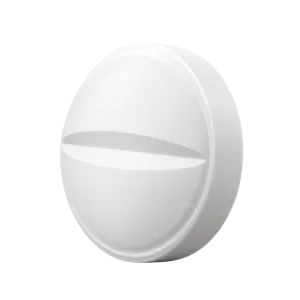
Armodafinil tablets should generally be swallowed whole with water unless a prescriber has specifically approved another method. Crushing or chewing can change how the tablet is delivered and may produce an unpleasant taste. The FDA product information available in 2015 describes oral tablet administration rather than chewing or crushing. A scored appearance does not by itself confirm that splitting is suitable.
Can Armodafinil be used for driving, concentration, or machinery work?
Armodafinil may improve wakefulness, but it does not guarantee safe driving or normal performance after sleep deprivation. The EMA’s 2010 referral information on modafinil-containing medicines supports assessing residual sleepiness and individual response before safety-sensitive activities. Avoid driving or machinery work if dizziness, blurred vision, anxiety, palpitations, or continuing sleep attacks occur.
Can Armodafinil be taken with food or on an empty stomach?
Armodafinil may be taken with or without food. A high-fat meal can delay peak concentrations, so the onset may feel later when the tablet is taken after such a meal. FDA information reviewed in 2015 recognises this timing effect without showing that food eliminates the medicine’s wakefulness-promoting action. Taking it consistently in relation to meals makes personal response easier to judge.
What should happen if the expected result does not come?
Persistent sleepiness should prompt a review of sleep duration, treatment of obstructive sleep apnoea, shift timing, other medicines, mood, and the diagnosis itself. WHO pharmacovigilance guidance published in 2002 supports looking for untreated causes rather than simply increasing stimulant exposure. Do not take extra tablets to force wakefulness. A clinician may reassess the indication, timing, adherence, or need for a sleep-specialist review.
Which condition rules out Armodafinil?
A previous serious hypersensitivity reaction to Armodafinil or modafinil rules out further treatment. The FDA prescribing information from 2015 also highlights severe rash and allergic reactions as reasons to discontinue and seek assessment. Uncontrolled cardiovascular disease, significant arrhythmia, active chest pain, psychosis, or mania may make treatment unsuitable until the condition is assessed and stabilised.
Which symptoms require stopping Armodafinil and urgent medical attention?
Stop the medicine and seek urgent care for blistering or peeling skin, mouth or eye sores, facial swelling, breathing difficulty, chest pain, fainting, severe palpitations, hallucinations, mania, or suicidal thoughts. WHO pharmacovigilance guidance published in 2002 supports prompt assessment of severe skin, allergic, cardiac, and psychiatric symptoms. Do not take another dose while waiting for assessment after a suspected serious reaction.
Do you offer anonymous delivery?
Your order will be securely packed and shipped within 24 hours. This is exactly what your package will look like (images of an actual item sent). It has the size and look of a regular private letter (24x11x0.7 cm) and its contents cannot be seen.
Reviews: Armodafinil
It helped me stay awake during the first half of my shift. I still felt tired near the end, and taking it too late made sleep after work difficult. Moving the timing earlier worked better for me.
The alertness improved, but I became anxious and had headaches almost every day. I stopped after speaking with my clinician, and the symptoms eased over the next few days.
Sources
- U.S. Food and Drug Administration (2015). NUVIGIL (armodafinil) tablets: Prescribing Information.
- World Health Organization (2002). The Importance of Pharmacovigilance: Safety Monitoring of Medicinal Products.
- European Medicines Agency (2010). Modafinil-containing medicines: referral under Article 31 of Directive 2001/83/EC.