Skip to content
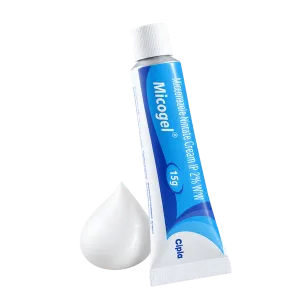
Micogel
Active ingredient: Miconazole

Micogel

Quality products
24/7 Support
Fast delivery
Delivery from 4 days
Select pack Package Per unit Price

Free delivery on orders from AED 860.00, free express delivery from AED 1,290.00

Secure Payments
Track your order
Best price guarantee

Miconazole nitrate in Micogel disrupts the growth of fungi and yeasts on the skin. Micogel is a 2% topical gel for superficial fungal conditions such as athlete’s foot, ringworm, and skin-fold candidiasis. It helps reduce the itching, scaling, redness, and discomfort linked with these infections.

Product information

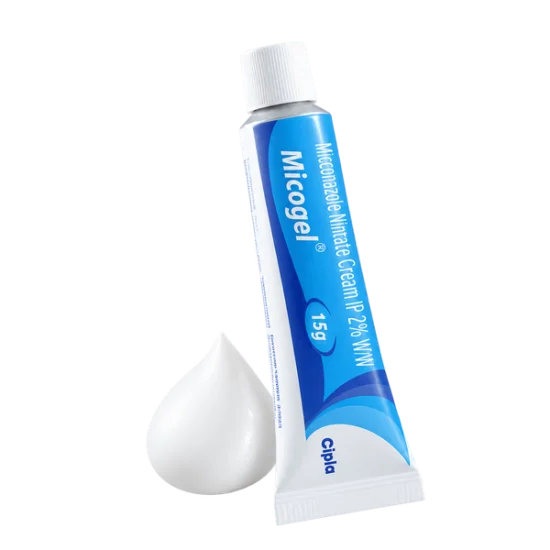
Micogel contains miconazole nitrate 2% w/w in a topical gel supplied in a tube. Miconazole belongs to the imidazole antifungal group and is used for superficial fungal and yeast infections affecting the skin.

Dosage and administration

Micogel is applied to the skin. How much to use and how often depends on the purpose of use and is agreed with a doctor or pharmacist.

  • Wash the affected area gently and dry it fully before application.
  • Apply a thin, even layer over the affected skin and a small margin around it.
  • Wash hands before and after application, unless the hands are the treated area.
  • Avoid contact with the eyes, mouth, and other mucous membranes.
  • Do not cover the area with an airtight dressing unless a clinician specifically instructs this.
  • Continue for the prescribed duration, even if itching improves early.
  • If a dose or application is missed, apply it when remembered unless the next scheduled application is close. Do not apply a double amount.

Miconazole treatment often needs consistent use beyond the first reduction in redness or itching because symptoms can improve before the fungal burden has cleared. The duration depends on the infection site and clinical response; follow the regimen agreed for your condition [3].

Use a separate towel for the affected area during treatment and wash clothing that touches the rash regularly. Damp fabric can maintain friction and moisture against the skin.

Do not apply Micogel inside the vagina, mouth, or eyes unless a product is specifically formulated for that site. A skin gel is intended for external skin use.

One practical mistake is stopping after two or three applications because the itching has eased. Another is applying the gel only to the centre of a ring-shaped patch while missing the active edge. Cover the affected surface evenly.

Ingredients

Micogel contains miconazole nitrate 2% w/w as its active ingredient. It is supplied as a topical gel for external application to the skin.

How it affects the body

Miconazole inhibits fungal production of ergosterol, a substance required for the fungal cell membrane. When the membrane becomes defective, fungal growth is weakened and the organism may be destroyed [1].

Miconazole can act against dermatophytes responsible for tinea infections and against yeasts such as Candida. Its antifungal action does not depend on suppressing redness or itching alone. The underlying organism must be controlled for the rash to settle.

Micogel does not contain a topical corticosteroid in the product data provided. A steroid can reduce inflammation quickly, yet it may also mask a fungal infection or encourage persistence when used without a clear indication. Micogel should therefore be understood as a plain topical antifungal gel.

The FDA and EMA describe topical antifungal treatment as a local therapy, with product-specific precautions applying to broken or highly inflamed skin [2].

Therapeutic indications

Micogel contains miconazole nitrate 2% w/w in a topical gel supplied in a tube. Miconazole belongs to the imidazole antifungal group and is used for superficial fungal and yeast infections affecting the skin.

The gel is intended for external use. It may be suitable for infections caused by dermatophytes, Candida species, and some other fungi that affect the outer layers of the skin. The exact treatment plan depends on the affected area, severity, and clinical diagnosis.

Infection pattern Typical skin features Micogel’s role
Athlete’s foot Scaling, itching, cracking, or peeling between the toes Antifungal treatment for superficial infection
Ringworm or tinea corporis Round, expanding scaly patches Targets fungal growth on the skin
Skin-fold candidiasis Moist red patches in folds such as the groin or under the breasts Helps control Candida overgrowth

A fungal rash does not always form a perfect ring. Moisture, friction, diabetes, tight clothing, and prolonged sweating can change its appearance.

Management of Cutaneous Candidiasis and Yeast Overgrowth

Candida grows more easily in warm, moist areas. Skin-fold candidiasis may cause soreness, burning, small surrounding spots, and a sharply red surface. Miconazole acts locally against the yeast responsible for the infection.

Dry skin folds carefully after washing. Pat rather than rub, because friction can worsen small cracks and make antifungal application uncomfortable.

A persistent rash in the groin or underarm may also result from eczema, psoriasis, bacterial infection, or irritation. Lack of improvement can signal that the diagnosis needs reassessment rather than that more gel should be applied.

Common mistakes

Several everyday habits can reduce treatment success:

  • Applying the gel to damp skin rather than drying the area first.
  • Stopping as soon as itching improves.
  • Sharing towels, socks, footwear, or clothing.
  • Wearing tight, non-breathable clothing over a moist rash.
  • Applying a thick layer instead of spreading a thin film.
  • Covering the area tightly with plastic or an airtight dressing.
  • Using a steroid cream at the same time without a defined clinical reason.
  • Applying the gel to an area that may have bacterial infection or open wounds.
  • Forgetting to wash hands after touching an infected area.
  • Treating repeated recurrences without confirming the diagnosis.

A fungal infection on the feet can recur when footwear remains damp. Allow shoes to dry fully and change socks when they become wet.

Keep the application area dry, but do not scrub it aggressively. Scrubbing damages the skin barrier and can increase burning after miconazole is applied.

When not to use it

The product should not be used by a person with a known allergy to miconazole, other imidazole antifungals, or any ingredient in the gel.

Miconazole gel does not treat viral infections and should not be relied on for bacterial cellulitis.

Topical miconazole can interact with warfarin in some circumstances, especially when used on damaged skin, large areas, or for a prolonged period. People taking warfarin should disclose this before using extensive topical antifungal treatment. The UK Medicines and Healthcare products Regulatory Agency has highlighted the need for awareness of this interaction with topical miconazole [4].

When this is not for you

This medication is not for you if:

  • You have previously developed facial swelling, hives, blistering, or severe irritation after miconazole.
  • The rash is clearly caused by a viral lesion such as a cold sore or shingles.
  • The affected area has spreading warmth, pus, marked pain, or fever suggesting bacterial infection.
  • You intend to use it inside the eyes, mouth, or another internal body site.
  • The rash is undiagnosed and rapidly spreading.
  • You plan prolonged treatment on the face, eyelids, or genital skin without medical direction.

Rosacea, psoriasis, eczema, and allergic dermatitis can resemble fungal disease, yet they need different treatment. A rash that becomes more widespread despite correct application deserves a fresh diagnosis.

Pregnancy, breastfeeding, infancy, and treatment of the nipple require specific advice about the site and duration of use. Prevent an infant from swallowing gel applied to the breast by removing any residue before feeding.

Possible side effects

Topical miconazole can cause local reactions, especially during the first applications or when the skin is cracked. Possible effects include:

  • Burning or stinging
  • Itching
  • Redness
  • Irritation
  • Dryness or peeling
  • Contact dermatitis or an allergic skin reaction

Mild, short-lived stinging may occur on damaged skin. Persistent burning, increasing swelling, blistering, spreading redness, or worsening pain needs prompt medical assessment because these features can indicate irritation, allergy, or a different infection.

Headache is not a typical local reaction from applying a small amount to intact skin. A new headache during treatment should not automatically be attributed to Micogel, especially when the medicine is used on a limited area. Seek medical attention urgently for facial swelling, breathing difficulty, widespread hives, or faintness.

If the treated area becomes more inflamed after each application, stop putting more gel on it until the reaction has been assessed. Repeated application can make contact dermatitis harder to recognise.

Large areas, open skin, prolonged treatment, or occlusive coverings may increase absorption. Children may also absorb proportionally more topical medicine through the skin than adults. Avoid covering treated skin with plastic or tight bandages unless specifically directed.

Comparison

Micogel is a single-antifungal formulation. It differs from combination preparations that add topical steroids or antibacterial substances. Those combinations may have a role in selected clinical situations, but steroid-containing products require greater caution on the face, groin, and skin folds.

Treatment category Main purpose Main limitation
Miconazole topical gel Treats superficial fungal or yeast infection May irritate sensitive or cracked skin
Clotrimazole topical treatment Alternative imidazole antifungal for several superficial infections Suitability depends on diagnosis and tolerance
Antifungal plus topical steroid Antifungal treatment with short-term inflammation control Steroid exposure can cause skin thinning or mask infection

Miconazole and clotrimazole are both imidazole antifungals. Either may be used for conditions such as tinea cruris or tinea corporis when the diagnosis is appropriate. The choice can depend on the body site, previous response, formulation, allergies, and local prescribing practice.

A steroid-containing combination is not automatically stronger treatment. It may reduce redness rapidly while leaving fungal growth insufficiently controlled. This is one reason persistent or recurrent rashes need clinical review rather than repeated unsupervised use of steroid combinations.

What doctors say

In clinical practice, doctors first try to confirm that the rash is fungal rather than assuming every itchy patch needs an antifungal. The distribution, border, scaling, moisture, duration, and response to previous treatment all influence that decision.

A clinician would usually expect steady improvement in itching and redness before complete clearing of the skin. The absence of early improvement does not justify using larger amounts. It may indicate incorrect application, reinfection from footwear or clothing, mixed dermatitis, or a non-fungal diagnosis.

Doctors also pay attention to the site. The face, eyelids, groin, skin folds, and broken skin are more vulnerable to irritation. Steroid combinations require extra caution because they can reduce visible inflammation while allowing fungal infection to continue.

Miconazole is most useful when the treatment matches the organism and the application is consistent. It is not a general-purpose cream for every red or itchy rash.

Comparison

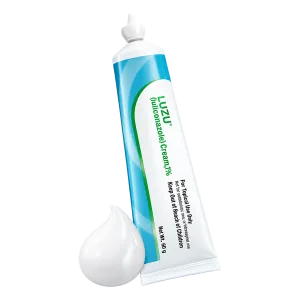
Luzu

Active ingredient: Luliconazole
1%
From AED 425.70
tubes
4.6 (5)

Micogel Current

Active ingredient: Miconazole
2%
From AED 339.70
tubes
3.5 (3)

Comparison table: Antifungals

Common questions

Which condition rules out Micogel use?

A known allergy to miconazole or another ingredient rules out Micogel use. Viral lesions, suspected bacterial cellulitis, and rapidly spreading painful rashes also require a different clinical approach. WHO guidance from 2009 describes topical antifungals as treatments for susceptible superficial fungal infections, not every inflammatory skin condition. A clinician should assess severe swelling, pus, fever, or facial involvement before further application. Prompt assessment is also important when the rash affects the face.

What should I do if the expected result does not come?

Do not increase the amount or apply the gel more often than agreed. Recheck practical factors such as moisture, friction, incomplete coverage, and treatment interruption, then arrange clinical assessment if the rash persists or worsens. The EMA’s antifungal guidance from 2016 supports reassessing the diagnosis when a presumed superficial fungal infection fails to respond. Persistent symptoms may reflect eczema, psoriasis, bacterial infection, or reinfection.

Can Micogel cause burning or itching?

Yes, mild burning, stinging, itching, or redness can occur where miconazole is applied. These reactions may be more noticeable on cracked or inflamed skin. NHS information from 2024 describes local irritation as a possible reaction to topical miconazole products. Stop and seek prompt advice if symptoms become intense, spread beyond the treated area, or occur with swelling, hives, or breathing difficulty.

Can people under 18 use Micogel?

Use in children and adolescents depends on age, body site, skin condition, and the clinician’s treatment plan. Young children may absorb proportionally more topical medicine through their skin, especially when large areas or covered areas are treated. The American Academy of Dermatology’s 2023 patient guidance supports age-appropriate assessment for suspected fungal rashes rather than automatic self-treatment. Keep the tube away from children and prevent contact with the eyes or mouth.

What should I do after a missed application?

Apply the next amount when remembered unless the next scheduled application is close. Do not apply twice as much to make up for the missed application. A missed application can reduce consistency, yet one omission does not usually require restarting the course. The WHO Model Formulary published in 2009 describes regular topical application as central to treatment response.

Can Micogel be used during pregnancy or breastfeeding?

Pregnancy and breastfeeding require advice about the affected site, treatment area, and duration. Avoid applying the gel to the breast immediately before feeding, and remove any residue that could be swallowed by an infant. The EMA’s 2016 antifungal guidance recommends considering exposure and treatment necessity when topical antifungals are used during pregnancy. Breastfeeding should not be interrupted automatically, but nipple application needs specific instructions.

Do you offer anonymous delivery?

Your order will be securely packed and shipped within 24 hours. This is exactly what your package will look like (images of an actual item sent). It has the size and look of a regular private letter (24x11x0.7 cm) and its contents cannot be seen.

Reviews: Micogel

3.5
Based on 3 reviews
Meera, 31 Jumeirah Several days
Verified
Rating: 4 out of 5

The burning settled after the first few applications, and the scaling looked better after several days. I still had to be careful about damp socks because the rash returned once when I ignored that.

20 Nov 2026
Reem C., 52 Umm Al Quwain One week
Verified
Rating: 3.5 out of 5

The redness became less uncomfortable, but the area felt dry and irritated when I used too much. A thin layer worked better for me than covering the whole fold with a thick coating.

23 Oct 2026
Shamma, 58 Al Qusais Two weeks
Verified
Rating: 3 out of 5

The itching improved, but the rash did not disappear as quickly as I expected. I needed an assessment because the problem kept coming back despite regular application.

31 Oct 2026

Sources

  1. WHO (2009). WHO Model Formulary 2008
  2. EMA (2016). Guideline on the clinical investigation of medicinal products for the treatment of fungal infections
  3. U.S. Food and Drug Administration (2022). Topical antifungal drug products for over-the-counter human use
  4. Medicines and Healthcare products Regulatory Agency (2016). Miconazole: interaction with warfarin
Get our free app Shop faster and track your orders 3.9 · 576 reviews Install