Skip to content
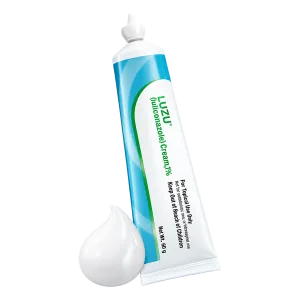
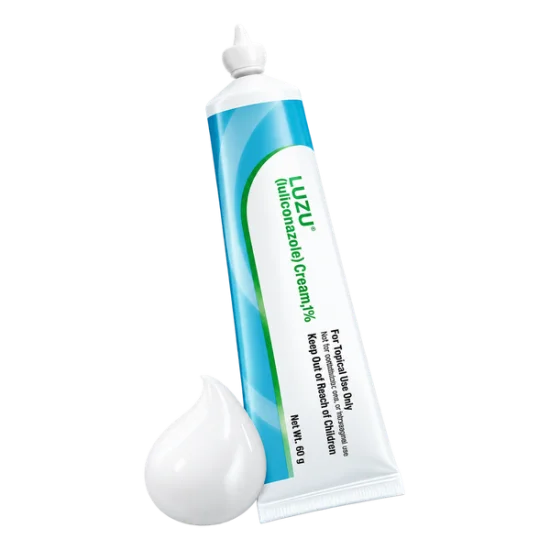
Luzu
Active ingredient: Luliconazole

Luzu

Quality products
24/7 Support
Fast delivery
Delivery from 4 days
Select pack Package Per unit Price

Free delivery on orders from AED 860.00, free express delivery from AED 1,290.00

Secure Payments
Track your order
Best price guarantee

Luzu delivers dexamethasone 0.1% to inflamed skin, reducing redness, swelling, itching, and irritation. It is intended for short-term treatment of steroid-responsive inflammatory dermatoses such as eczema and contact dermatitis. Its topical corticosteroid action suppresses excessive local immune activity in the skin.

Product information

Luzu is a topical corticosteroid cream containing dexamethasone 0.1%. Dexamethasone belongs to the glucocorticoid class and is used in dermatology to calm inflammation in affected skin. The cream is applied to the skin rather than taken by mouth, allowing treatment to focus on the affected area.

Active Ingredient Profile

Dexamethasone binds to glucocorticoid receptors inside skin cells. This changes the activity of genes involved in inflammatory signalling and reduces the release of mediators that sustain redness, itching, and swelling.

Dexamethasone is chosen for localized inflammatory dermatoses when a clinician considers corticosteroid treatment appropriate. It does not treat every cause of a rash. A fungal, bacterial, viral, or parasitic skin problem may worsen when inflammation is suppressed without treating the underlying infection.

Dosage and administration

Apply Luzu by topical administration to the affected skin in a thin film. The amount and frequency differ between strengths, body sites, diagnosis, and individual treatment plans, so there is no single amount that suits everyone.

Clinical application generally follows these steps:

  • Clean and dry the affected area gently.
  • Apply a thin layer only to the inflamed skin.
  • Massage lightly until the cream is distributed.
  • Wash hands after application unless the hands are the treated area.
  • Keep the cream away from the eyes, mouth, and mucous membranes.
  • Do not cover the area with a sealed dressing unless a clinician has specifically directed this.
  • Use the prescribed frequency and stop or reduce treatment according to the treatment plan.

The fingertip-unit method can help estimate topical quantities. One fingertip unit is the amount expressed from the tip of an adult finger to its first crease, although the amount needed depends on the body site and the area being treated. The face, eyelids, groin, armpits, and skin folds absorb corticosteroids more readily than thicker skin on the palms, soles, or trunk.

For a missed application, apply the next scheduled amount when remembered unless it is close to the next application. Do not apply a thick layer to compensate.

Avoid applying Luzu immediately before swimming or vigorous exercise if water or sweating will remove the cream. Give the thin film time to remain on the skin, unless the prescribed plan says otherwise.

Occlusive dressings can increase penetration through the stratum corneum. That may intensify treatment, but it also raises the risk of skin atrophy and systemic absorption. Children, older adults with fragile skin, and people treating large areas require extra caution.

Ingredients

Luzu is a topical corticosteroid cream containing dexamethasone 0.1%. Dexamethasone belongs to the glucocorticoid class and is used in dermatology to calm inflammation in affected skin. The cream is applied to the skin rather than taken by mouth, allowing treatment to focus on the affected area.

Topical corticosteroids can reduce the visible and uncomfortable features of inflammation, including erythema, swelling, infiltration, and pruritus. Luzu is intended for short courses because prolonged exposure to potent corticosteroids can thin the skin and increase the risk of local complications.

Active Ingredient Profile

Dexamethasone binds to glucocorticoid receptors inside skin cells. This changes the activity of genes involved in inflammatory signalling and reduces the release of mediators that sustain redness, itching, and swelling.

Dexamethasone is chosen for localized inflammatory dermatoses when a clinician considers corticosteroid treatment appropriate. It does not treat every cause of a rash. A fungal, bacterial, viral, or parasitic skin problem may worsen when inflammation is suppressed without treating the underlying infection.

A steroid cream should be spread as a thin, even film. Rubbing harder does not improve the anti-inflammatory action and may irritate already inflamed skin.

How it affects the body

After application, dexamethasone passes through the outer skin barrier, called the stratum corneum, and reaches living epidermal and dermal cells. It binds intracellular corticosteroid receptors, and the resulting receptor complex influences inflammatory gene expression.

The effect is a gradual reduction in the production of inflammatory cytokines and other signalling molecules. This limits the cascade that contributes to redness, heat, swelling, scaling, and itching. The action is local, although absorption can increase when large areas, damaged skin, thin skin, or occlusive coverings are involved.

Cellular and Molecular Pathways

Corticosteroid receptors influence several stages of inflammation. Dexamethasone reduces activity linked to phospholipase A2, an enzyme involved in the formation of arachidonic-acid derivatives. Lower production of prostaglandins and leukotrienes contributes to reduced vascular dilation, tissue swelling, and inflammatory cell recruitment.

The clinical result is less visible inflammation and improved comfort. The response does not mean that the original trigger has disappeared, so repeated or unusually persistent flares need a clear diagnosis.

The FDA describes topical corticosteroids as anti-inflammatory, antipruritic, and vasoconstrictive agents whose effects depend on the drug, vehicle, treated area, skin condition, and duration of use [1].

Therapeutic indications

Luzu is used for steroid-responsive inflammatory skin conditions. Common clinical contexts include eczema, contact dermatitis, and selected inflammatory dermatoses with erythema, infiltration, itching, or swelling. Psoriasis may require a different strength, treatment plan, or combination approach depending on its location and severity.

The purpose is usually to control an active flare, then reduce exposure once the skin has settled. A corticosteroid can make a rash look better while an untreated infection continues underneath, which is why the appearance of the lesion and its response over time both matter.

Clinical situation Treatment aim Key limitation
Eczema flare Reduce redness, itching, and swelling Not intended as indefinite daily maintenance
Contact dermatitis Suppress inflammatory reaction after irritant or allergen exposure The trigger still needs to be removed
Other steroid-responsive dermatoses Calm localized inflammation Infection must be excluded or treated

Luzu should not be used as a general moisturiser. A bland emollient may be used as part of a skin-care plan, but the corticosteroid and moisturiser should not automatically be mixed together in the same container.

If a rash repeatedly returns in the same place after stopping treatment, note the location, possible exposures, and timing. Watch straps, fragrances, detergents, adhesives, and topical antibiotics can all be relevant clues in contact dermatitis.

Common mistakes

Several everyday errors reduce benefit or raise risk:

  • Applying the cream to every itchy area instead of the diagnosed inflammatory lesions.
  • Using a thick layer because the first application did not produce immediate relief.
  • Covering the area with plastic, tight clothing, or a sealed dressing without direction.
  • Applying it to the eyelids, groin, or skin folds as though these areas absorb treatment like the forearm.
  • Continuing daily treatment for weeks after the flare has cleared.
  • Sharing the tube with another person whose rash has a different cause.
  • Using the cream on a fungal-looking rash without appropriate antifungal treatment.
  • Stopping skin care, moisturising, or trigger avoidance once redness improves.
  • Applying several steroid products at the same time without adding their total exposure together.

Another mistake is washing the cream off immediately after application. A thin topical film needs contact with the skin to work, so applying it directly before bathing may reduce the amount that remains available.

When not to use it

Luzu is not suitable for every rash or every body site. It should not be applied to untreated fungal, bacterial, viral, or parasitic skin infections unless the underlying infection is being managed through an appropriate treatment plan. It should also be kept away from the eyes unless specifically prescribed for an ophthalmic indication, because ordinary skin cream is not designed for eye use.

Conditions Requiring Extra Caution

Luzu may require a modified plan in people with:

  • Facial, eyelid, genital, groin, or skin-fold involvement.
  • Extensive eczema or broken skin.
  • A history of recurrent fungal or bacterial skin infection.
  • Diabetes, poor wound healing, or immune suppression.
  • Previous reactions to corticosteroids or cream ingredients.
  • Pregnancy or breastfeeding.
  • Treatment involving children or older adults with thin skin.

The World Health Organization’s dermatology and pharmacology resources describe corticosteroid-related skin atrophy and infection risk as important considerations with prolonged topical use [2].

When this is not for you

NOT for you if the rash may be infectious, the treatment area is near the eyes without medical direction, or repeated courses have not produced a clear diagnosis.

If a treated area becomes increasingly painful, warm, crusted, pus-filled, or rapidly larger, continuing steroid-only treatment can hide a developing infection. Those changes need prompt medical assessment.

Possible side effects

Local Adverse Effects

Possible local reactions include burning, stinging, irritation, dryness, folliculitis, acne-like eruptions, and changes in pigmentation. With extended or intensive use, topical corticosteroids may cause skin atrophy, striae, telangiectasia, easy bruising, delayed healing, or visible enlargement of small surface blood vessels.

Exposure pattern Possible concern Practical response
Short course on limited skin Temporary stinging or irritation Reassess if discomfort is severe or persistent
Repeated use on thin skin Atrophy, telangiectasia, or easy bruising Use only within the prescribed plan
Large area or occluded skin Increased absorption and systemic effects Avoid covering unless directed

Tachyphylaxis describes a reduced response after repeated exposure, although apparent loss of response can also mean that the diagnosis is wrong, the trigger remains present, or an infection has developed. Increasing the amount without clinical direction can worsen adverse effects.

Comparison

Luzu is a topical corticosteroid cream containing dexamethasone 0.1% for localized inflammatory skin conditions. Unlike oral corticosteroid treatment, it is applied directly to affected skin, focusing its anti-inflammatory action on the treated area. It is a single-ingredient product rather than a combination cream, and it is not intended to treat fungal infection.

What doctors say

In clinical practice, physicians usually judge topical corticosteroid treatment by three features: the diagnosis, the body site, and the time needed to control the flare. The same cream may be reasonable for a thick, localized patch but unsuitable for repeated use on eyelid skin.

A dermatologist would usually expect the treatment plan to define where the cream goes, how often it is used, and when it should be stopped or reviewed. A rash that improves only while the cream is applied may need investigation for ongoing allergen exposure, infection, psoriasis, or another inflammatory condition.

The European Medicines Agency evaluates corticosteroid safety through product-specific pharmacology, exposure, and adverse-effect information rather than treating all topical steroids as interchangeable [3]. Potency and formulation matter. Use the lowest suitable amount. Keep treatment brief.

One practical point is often missed: a strong improvement in redness can occur before the skin barrier has fully recovered. Continuing harsh cleansers, fragranced products, or repeated scratching can trigger another flare even after inflammation has settled.

Comparison

Luzu Current

Active ingredient: Luliconazole
1%
From AED 425.70
tubes
4.6 (5)

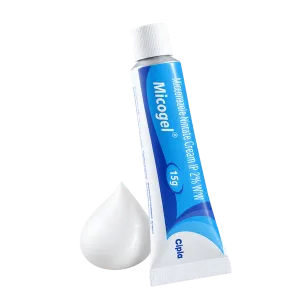
Micogel

Active ingredient: Miconazole
2%
From AED 339.70
tubes
3.5 (3)

Comparison table: Antifungals

Common questions

Can older adults use Luzu?

Older adults can use topical dexamethasone when the treatment plan matches the diagnosis and body site. Age-related thinning of the skin may increase susceptibility to bruising, atrophy, and telangiectasia, especially on the hands, face, and skin folds. Guidance from the WHO in 2008 supports cautious topical corticosteroid use when skin integrity and treatment duration are considered. A clinician should review persistent or recurrent lesions in an older adult rather than allowing repeated unsupervised courses. Review is especially useful when the affected area is thin skin.

What should be discussed with a doctor before starting Luzu?

Discuss the exact location and duration of the rash, previous skin infections, allergies, diabetes, immune conditions, pregnancy, breastfeeding, and all corticosteroid products currently used. Mention creams, inhalers, tablets, injections, and medicated washes because total corticosteroid exposure may matter. MOHAP advises medication decisions to account for the patient’s condition, treatment history, and possible interactions. Persistent scaling, pain, pus, crusting, or rapid spread should be described before treatment begins.

Can Luzu be used during pregnancy or breastfeeding?

Pregnancy and breastfeeding require an individual risk assessment, especially when treatment covers a large area, broken skin, or skin under occlusion. A small amount used briefly on limited skin may produce less systemic exposure than extensive or prolonged treatment, but the lowest suitable exposure is generally preferred. The EMA’s 2012 pharmacovigilance principles support reviewing topical corticosteroid exposure according to potency, area, and duration. During breastfeeding, avoid applying the cream to the nipple or areola unless a clinician gives specific instructions, and prevent direct infant contact with treated skin.

Can Luzu be combined with other medicines or supplements?

Luzu can be used alongside some treatments, but combining it with other corticosteroids may increase total exposure without improving the result. Extra caution is needed with oral or injected steroids, immune-suppressing medicines, and extensive use in people taking diabetes treatments. The FDA’s topical corticosteroid labeling information from 2024 highlights the role of treated surface area and occlusion in systemic absorption. Keep separate medicated creams on the same area unless the treatment plan explains the order and timing.

How much Luzu should be applied, and should the area be covered?

Apply a thin film to the affected skin using the prescribed amount; the correct quantity varies with body site, area, age, and treatment plan. Wash hands before and after application, unless the hands themselves are being treated. Covering the area can increase penetration and should only occur when specifically directed. MOHAP patient-safety guidance from 2024 supports clear instructions for topical medicines, including application site, amount, and hand hygiene.

How long does one application of Luzu keep working?

The duration of action depends on the inflammatory condition, skin thickness, amount applied, and the prescribed schedule. One application is not expected to provide identical relief for every person or every body site. EMA pharmacovigilance guidance from 2012 links treatment risk to repeated exposure and duration, rather than to a single universal interval. Do not reapply early simply because the redness has not disappeared immediately; follow the planned frequency and report inadequate improvement.

Do you offer anonymous delivery?

Your order will be securely packed and shipped within 24 hours. This is exactly what your package will look like (images of an actual item sent). It has the size and look of a regular private letter (24x11x0.7 cm) and its contents cannot be seen.

Reviews: Luzu

4.6
Based on 5 reviews
Rashid, 46 Sharjah Several days
Verified
Rating: 5 out of 5

The redness and itching settled quickly. I had been applying too much at first, so the lighter film was easier to spread and left less residue.

17 Nov 2026
Waleed, 69 Al Ain One week
Verified
Rating: 4 out of 5

The patch looked calmer, but it returned after I stopped. My doctor then asked about soaps and detergents, which helped identify an ongoing trigger. The cream alone had not solved the whole problem.

22 Oct 2026
Bilal, 33 Fujairah Several days
Verified
Rating: 5 out of 5

The itching eased within the first few days. I also stopped using the product that seemed to cause the rash, and the combination worked better than relying on the cream.

4 Nov 2026
Ramon, 28 Al Majaz Several days
Verified
Rating: 4 out of 5

It reduced the swelling, but the first applications stung. I was advised not to put it on broken skin and to seek review when the discomfort continued.

29 Oct 2026
Karim, 43 Khor Fakkan A short course
Verified
Rating: 5 out of 5

The cream was helpful for the flare, but I needed to keep moisturising afterward. When I skipped that step, the dryness and itching started again.

11 Nov 2026

Sources

  1. U.S. Food and Drug Administration (2024). Topical corticosteroid drug labeling
  2. World Health Organization (2008). WHO Model Formulary
  3. European Medicines Agency (2015). Guideline on clinical investigation of medicinal products indicated for the treatment of psoriasis
Get our free app Shop faster and track your orders 3.9 · 576 reviews Install