I had surgical menopause at a young age, so my specialist discussed bone protection early. I had hot flushes in the first weeks, then they settled somewhat. Taking the tablet beside my breakfast cup stopped me from forgetting it.
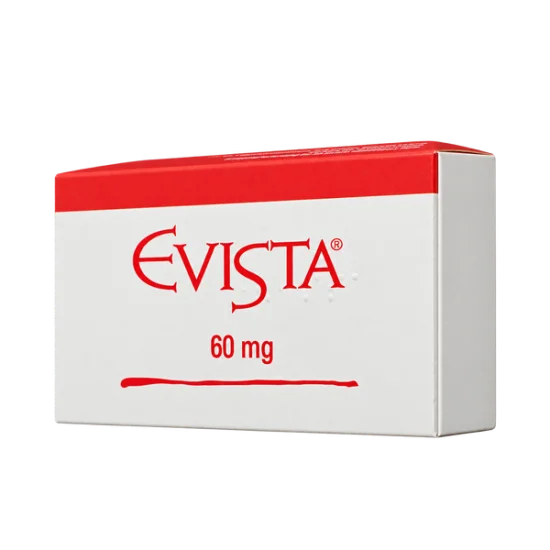
Evista is an oral medicine for postmenopausal women with osteoporosis or an increased risk of invasive breast cancer. It contains raloxifene hydrochloride and supports bone health through selective estrogen receptor activity. Dosing varies between strengths and users.
Product information
Evista dosing can differ between strengths and between users, so there is no single amount that suits everyone. Raloxifene belongs to the selective estrogen receptor modulators, or SERMs, a class also identified by the ATC code G03XC01.
A SERM binds to estrogen receptors but does not act identically in every tissue. Raloxifene produces estrogen-like activity in bone and anti-estrogen activity in breast and uterine tissue.
Dosage and administration
Dosing can differ between strengths and between users, so there is no single amount that suits everyone. Evista may be taken with or without food.
Treatment duration is individual. Osteoporosis treatment is often long term because bone protection depends on continued use, while breast-cancer risk reduction may involve a defined multi-year plan. A clinician reviews fracture risk, bone-density results, tolerability, and clotting risk at intervals during therapy.
- Take the prescribed tablet once daily.
- Take it at roughly the same time each day.
- Take the missed tablet when remembered on the same day.
- Skip the missed tablet if the next scheduled dose is near.
- Do not take two tablets together to make up for a missed dose.
- Continue adequate dietary calcium and vitamin D if these have been recommended as part of the bone-health plan.
The tablet is swallowed whole. Crushing or chewing it is unnecessary and can make daily treatment less convenient. Raloxifene is not a rapid symptom reliever; its benefit is measured through reduced bone loss and prevention strategies over time.
Ingredients
Evista dosing can differ between strengths and between users, so there is no single amount that suits everyone. Raloxifene belongs to the selective estrogen receptor modulators, or SERMs, a class also identified by the ATC code G03XC01.
A SERM binds to estrogen receptors but does not act identically in every tissue. Raloxifene produces estrogen-like activity in bone and anti-estrogen activity in breast and uterine tissue. This tissue-selective action explains its place in postmenopausal bone health management. FDA prescribing information identifies raloxifene hydrochloride as the active substance and describes the established daily regimen. [1]
How it affects the body
Raloxifene attaches to estrogen receptors, which are proteins that respond to the hormone estrogen. In bone, it acts as an estrogen agonist, meaning it supports some estrogen-related protective effects on bone turnover.
In breast and uterine tissue, raloxifene acts mainly as an estrogen antagonist. It blocks receptor stimulation that could encourage estrogen-sensitive tissue growth. This differs from systemic estrogen therapy, which delivers estrogen activity across several tissues and can have different benefits and risks.
Therapeutic indications
Evista is prescribed for treatment and prophylaxis of postmenopausal osteoporosis. Osteoporosis reduces bone strength and raises the chance of fractures, most often at the spine, hip, or wrist.
Raloxifene also has a role in reducing the risk of invasive breast cancer in postmenopausal women who have osteoporosis or who meet clinical criteria for increased breast-cancer risk. It is not used to treat established breast cancer or to prevent breast cancer recurrence.
| Clinical use | Role of Evista | Key limitation |
|---|---|---|
| Postmenopausal osteoporosis | Helps maintain bone mineral density and lowers vertebral fracture risk | It has not shown the same evidence for hip-fracture reduction as several bone-specific therapies |
| Invasive breast-cancer risk reduction | Reduces risk in selected postmenopausal women | It does not treat existing breast cancer |
Bone is constantly renewed through bone remodelling. Osteoclasts break down old bone, while osteoblasts build new bone. After menopause, falling estrogen activity can accelerate bone loss; raloxifene helps counter this process in bone tissue. The American Society of Clinical Oncology included raloxifene among endocrine options for breast-cancer risk reduction in appropriately selected postmenopausal women. [2]
Common mistakes
Several practical errors can reduce the value of long-term osteoporosis care or increase avoidable risk.
- Stopping treatment after a few weeks because there is no immediate physical sensation.
- Taking a second tablet after forgetting a dose.
- Continuing treatment around surgery without reporting the planned period of immobility.
- Assuming leg swelling is always harmless fluid retention.
- Treating calcium tablets as a replacement for prescribed osteoporosis therapy.
- Ignoring new vaginal bleeding because raloxifene is considered anti-estrogenic in uterine tissue.
One missed dose is usually manageable. Repeated missed doses are more relevant because raloxifene’s bone effects rely on regular receptor activity over time.
When not to use it
Avoid Evista in the following situations:
- Pregnancy or planned pregnancy.
- Breastfeeding.
- Premenopausal status.
- Current or previous blood-clot disease.
- Unexplained uterine bleeding until it has been medically assessed.
- Known hypersensitivity to raloxifene or tablet ingredients.
Liver impairment and moderate-to-severe renal impairment require careful clinical assessment because raloxifene exposure and tolerability may be altered. Women with a history of stroke, transient ischaemic attack, atrial fibrillation, hypertension, or heavy smoking need individual cardiovascular risk review.
The EMA product information lists thromboembolic disease as a key contraindication and describes precautions for renal and hepatic impairment. [4]
When this is not for you
Evista is intended for postmenopausal women. Men and premenopausal women are not the standard treatment population for raloxifene.
Evista is not a contraceptive. It must not be used during pregnancy.
Possible side effects
Common effects reported with raloxifene include hot flushes, leg cramps, swelling of the hands, feet, or lower legs, joint symptoms, and flu-like complaints. These effects do not occur in every person, and their intensity varies.
The major safety concern is venous thromboembolism. This term includes deep-vein thrombosis, pulmonary embolism, and retinal vein thrombosis. A clot in a deep leg vein can cause one-sided swelling, warmth, pain, or redness. A pulmonary embolism can cause sudden breathlessness, chest pain, coughing blood, fainting, or a racing heartbeat.
Long periods without movement raise clot risk. Surgery, hospital admission, and long-distance travel can involve prolonged immobility. Raloxifene is usually stopped at least 72 hours before anticipated immobilisation and restarted only once the person is fully mobile.
Comparison
Treatment selection depends on fracture risk, previous fractures, kidney function, gastrointestinal tolerance, menopause status, and thromboembolic history. Raloxifene is one option rather than a universal first choice.
| Treatment approach | Main action | Clinical trade-off |
|---|---|---|
| Raloxifene | SERM with bone agonist activity and breast anti-estrogen activity | Can increase venous thromboembolism risk and may worsen hot flushes |
| Alendronate | Bisphosphonate that slows bone breakdown | Often used for broad fracture prevention but may irritate the upper digestive tract |
| Systemic estrogen therapy | Replaces estrogen activity across tissues | May help menopausal symptoms but has a different long-term risk profile |
Tamoxifen is also a SERM, though its clinical role differs from raloxifene. It is widely used in breast-cancer treatment and prevention settings, while raloxifene is used for osteoporosis and selected breast-cancer risk reduction in postmenopausal women.
The Bone Health and Osteoporosis Foundation’s 2022 clinician guide supports matching osteoporosis treatment to fracture risk and individual contraindications rather than relying on one drug class for every patient. [3]
What doctors say
In clinical practice, prescribers often view Evista as a targeted option for postmenopausal women whose priorities include vertebral bone protection and reduction of invasive breast-cancer risk. The same clinician will usually screen carefully for a history of clots before considering it.
Doctors also set realistic expectations. Evista does not rebuild severely damaged bone overnight, and a person cannot judge its benefit by how she feels after a few days. Bone-density measurements, fracture history, adherence, mobility, nutrition, and fall prevention provide a more meaningful picture.
A recurring clinical point is that hot flushes are not a sign that the medicine is failing. They are a tolerability issue that needs discussion if persistent or disruptive. New calf pain or sudden shortness of breath is different: those symptoms require urgent assessment because of the clotting warning.
Comparison
Common questions
Is a previous blood clot a reason not to use Evista?
Yes. A current or previous deep-vein thrombosis, pulmonary embolism, or retinal vein thrombosis rules out Evista because raloxifene can raise venous thromboembolism risk. The FDA prescribing information issued in 2023 lists past or active venous thromboembolic disease as a contraindication. This includes clots that occurred years earlier. A different osteoporosis approach is needed in this situation.
Can older women use Evista?
Age alone does not rule out treatment. Evista is intended for postmenopausal women, including older adults, when their clotting risk and wider health profile are suitable. The EMA product information reviewed in 2022 does not require a routine age-based dose reduction. Mobility, previous stroke, kidney and liver function, and prior fractures often matter more than chronological age.
How long can Evista be taken, and is long-term treatment acceptable?
Treatment is commonly continued for years when the clinical benefit remains favourable. The FDA’s 2023 prescribing information supports once-daily use, while ongoing duration is determined through periodic review rather than a fixed stopping date for every woman. Bone-density results and fracture risk help guide that review. For breast-cancer risk reduction, clinicians may use a defined multi-year treatment plan.
What should happen if the expected result does not occur?
A lack of noticeable symptoms does not mean Evista has failed, because osteoporosis often has no daily symptoms. The Bone Health and Osteoporosis Foundation’s 2022 guidance supports reassessing adherence, calcium and vitamin D intake, fall risk, new fractures, and bone-density results. A fracture during treatment deserves prompt review. The clinician may consider whether another drug class better matches the person’s fracture risk.
Can Evista tablets be split, crushed, or chewed?
Evista tablets should be swallowed whole. The FDA’s 2023 prescribing information describes oral tablet administration and does not advise crushing or chewing. Splitting is also best avoided unless a prescriber has given a specific reason. The 60 mg tablet is designed as the complete daily dose.
Which symptoms require stopping Evista and urgent medical review?
Stop taking Evista and seek urgent medical assessment for sudden shortness of breath, chest pain, coughing blood, fainting, or a painful swollen leg. These can indicate a blood clot in the lung or a deep vein. Sudden visual loss or marked visual change also needs urgent review because retinal vein thrombosis has been reported. NICE guidance published in 2020 emphasizes prompt recognition and assessment of suspected venous thromboembolism. [5]
Do you offer anonymous delivery?
Your order will be securely packed and shipped within 24 hours. This is exactly what your package will look like (images of an actual item sent). It has the size and look of a regular private letter (24x11x0.7 cm) and its contents cannot be seen.
Reviews: Evista
My main concern was osteoporosis after early menopause. I did not feel a dramatic change, which was explained to me from the start, but I stayed consistent. The nighttime leg cramps were annoying for about two weeks and then became less frequent.
I stopped for a short period before a planned operation and restarted after I was moving normally again. I appreciated having a clear plan for that. The hot flushes were the hardest part, so I changed my evening routine and avoided very warm drinks.
Sources
- FDA (2023). EVISTA (raloxifene hydrochloride) Prescribing Information.
- American Society of Clinical Oncology (2019). Use of Endocrine Therapy for Breast Cancer Risk Reduction: ASCO Clinical Practice Guideline Update.
- Bone Health and Osteoporosis Foundation (2022). The clinician’s guide to prevention and treatment of osteoporosis.
- EMA (2022). Evista: EPAR – Product Information.
- NICE (2020). Venous thromboembolic diseases: diagnosis, management and thrombophilia testing (NG158).