Skip to content
Estriol
Active ingredient: Estriol

Estriol

Quality products
24/7 Support
Fast delivery
Delivery from 4 days
Select pack Package Per unit Price

Free delivery on orders from AED 860.00, free express delivery from AED 1,290.00

Secure Payments
Track your order
Best price guarantee

Women with genitourinary symptoms of menopause, including vaginal dryness, burning, or tissue thinning, may be prescribed Estriol Cream for local oestrogen treatment. Applied locally, it helps restore moisture and support the vaginal and lower urinary tract tissues affected by reduced oestrogen.

Product information

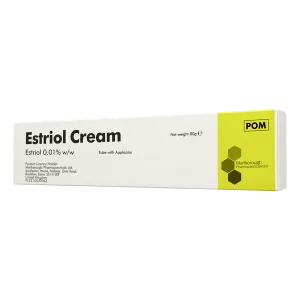
Estriol contains estriol 0.01% w/w and is supplied as a cream with an applicator in an 80 g tube.

Estriol is a naturally occurring oestrogen and a relatively short-acting member of the oestrogen family.

Dosage and administration

  • Strength: Estriol Cream contains estriol 0.01% w/w and is supplied in an 80 g tube with an applicator.
  • Application: Apply the prescribed amount locally to the vaginal area using the supplied applicator. The amount and frequency of application vary between users and treatment regimens.
  • Timing and duration: Apply at the prescribed time and continue for the prescribed treatment duration. Estriol Cream is a topical treatment, so meal-related timing does not apply.

Ingredients

Estriol Cream contains estriol as its active ingredient. The supplied tube includes an applicator, allowing measured administration into the vagina when prescribed for internal use. The cream base also helps reduce friction during application, which can be useful when the tissue is dry or fragile.

Practical characteristics of Estriol Cream

The main features are:

  • estriol 0.01% w/w;
  • topical cream for local vaginal treatment;
  • tube presentation with an applicator;
  • 80 g net quantity;
  • treatment directed at menopausal urogenital tissue changes.

How it affects the body

The product contains estriol 0.01% w/w in a topical cream formulation. Estriol binds to oestrogen receptors in tissues such as the vaginal epithelium, urethra, and bladder outlet. This signalling can improve epithelial maturation, moisture, elasticity, local blood flow, and the production of protective secretions. Clinical guidance recognises local vaginal oestrogen as an option for menopausal genitourinary symptoms when dryness and tissue changes persist. [1] FDA labeling principles likewise support using the prescribed route and dose.

Estriol is weaker and shorter-acting than Estradiol. Estrone is another naturally occurring oestrogen that is less potent than estradiol but remains relevant after menopause because peripheral tissues can convert adrenal hormones into oestrogenic compounds.

Comparison with estradiol and estrone

Oestrogen Pharmacological profile Typical clinical relevance
Estriol Lower-potency, shorter-acting oestrogen Local vaginal and urogenital treatment
Estradiol More potent oestrogen with stronger receptor activity Systemic or local hormone treatment
Estrone Less potent oestrogen formed partly in peripheral tissues Postmenopausal oestrogen physiology

Estriol’s shorter receptor occupancy profile helps explain its use in local treatment. The clinical aim is tissue repair and symptom relief in the application area, not treatment of hot flushes, osteoporosis, or whole-body oestrogen deficiency.

Therapeutic indications

Estriol Cream is used for symptoms associated with vaginal atrophy, also called genitourinary syndrome of menopause. Falling oestrogen levels can make the vaginal lining thinner, less elastic, and less able to retain moisture. The same hormonal changes may affect the urethra and bladder outlet.

Common treatment targets include:

  • vaginal dryness;
  • burning or irritation linked to mucosal thinning;
  • discomfort during sexual activity;
  • minor tissue fragility related to menopausal oestrogen deficiency;
  • urinary urgency or discomfort associated with urogenital atrophy;
  • recurrent lower urinary tract symptoms linked to postmenopausal tissue changes.

The cream may reduce the tissue changes that make urinary symptoms more likely, but it is not an antibiotic and should not be used to treat an active urinary tract infection. Fever, flank pain, visible blood in the urine, vomiting, or rapidly worsening urinary symptoms require prompt clinical assessment.

Clinical target Tissue response Expected pattern
Vaginal dryness Increased moisture and epithelial maturation Gradual improvement
Vaginal atrophy Greater tissue thickness and elasticity Improvement over repeated applications
Urinary irritation linked to atrophy Better support of periurethral tissue May take several weeks

Management of urogenital atrophy and recurrent infections

Oestrogen-sensitive tissues contain receptors that influence epithelial cell growth, glycogen storage, local secretions, and the vaginal environment. Restoring these functions can make the tissue less prone to friction-related irritation. A healthier vaginal epithelium may also support a more protective local microbiological environment.

Estriol Cream can help with symptoms caused by atrophy. It does not replace urine testing or antimicrobial treatment when an infection is present. Recurrent urinary symptoms should be evaluated because infections, overactive bladder, pelvic floor disorders, stones, and other conditions can produce similar complaints.

If burning begins suddenly with frequent urination or foul-smelling urine, do not assume it is only menopausal dryness. A urine test may be needed before changing the cream regimen.

In clinical practice, improvement in dryness may appear before urinary symptoms settle. Tissue recovery is gradual, and irritation from intercourse may continue during the first part of treatment if the mucosa remains fragile.

Common mistakes

Several practical errors reduce comfort or make the treatment seem ineffective:

  • applying more cream than prescribed;
  • using the cream irregularly during the initial treatment phase;
  • inserting the applicator too forcefully;
  • stopping as soon as dryness improves;
  • treating suspected urinary infection with cream alone;
  • using fragranced washes or antiseptics around the vulva;
  • confusing a vaginal moisturiser with a lubricant;
  • failing to report unexpected bleeding;
  • assuming a missed application should be doubled at the next scheduled time.
After a missed application, use it when remembered unless the next scheduled application is close. Do not apply a double amount to compensate.

External washing should be gentle. Harsh soaps, douches, and antiseptic products can disrupt the local environment and create irritation that resembles worsening atrophy.

When not to use it

It should not be used without medical assessment in the following situations:

  • unexplained vaginal bleeding;
  • current or previous oestrogen-dependent breast cancer unless a specialist has advised local treatment;
  • known or suspected endometrial cancer;
  • active or previous venous thromboembolism requiring hormone-related caution;
  • active liver disease or severe liver impairment;
  • known allergy to estriol or an excipient in the cream;
  • pregnancy or breastfeeding unless specifically prescribed;
  • untreated endometrial hyperplasia;
  • a history of severe hormone-sensitive disease requiring specialist supervision.

Tell the prescriber about anticoagulants, anticonvulsants, rifampicin, some antiretroviral medicines, and other treatments that may alter hormone metabolism or bleeding risk. Vaginal products, spermicides, and barrier contraceptives may also be affected by the cream base, depending on the material and product instructions.

When this is not for you

Estriol Cream is not suitable for everyone. It may not be for you if you have unexplained bleeding, a relevant hormone-sensitive condition, or an allergy to the product ingredients.

Local vaginal oestrogen generally produces less systemic exposure than oral hormone therapy, but absorption can increase when the mucosa is severely atrophic or treatment is used more frequently than prescribed. A history of breast cancer, blood clots, stroke, liver disease, or unexplained bleeding must be discussed before starting.

Possible side effects

Local treatment is often tolerated well, but adverse effects can occur. Common early effects include increased discharge, mild irritation, itching, burning, breast tenderness, or a feeling of pelvic fullness. These symptoms may settle as the tissue adapts, but worsening discomfort suggests that the product or regimen needs review.

Possible clinically significant effects include:

  • unexpected vaginal bleeding or spotting;
  • persistent vaginal pain or ulceration;
  • breast changes or ongoing breast tenderness;
  • severe headache or new migraine symptoms;
  • leg swelling or pain;
  • chest pain, sudden breathlessness, or neurological symptoms;
  • allergic reaction with marked swelling, rash, or breathing difficulty.

Unexpected bleeding after menopause requires assessment, even when local oestrogen is being used. A small amount of spotting may occur after contact with fragile tissue, but repeated or unexplained bleeding should not be attributed automatically to the cream.

One practical detail is easy to miss: vaginal tissue can remain delicate even after symptoms start improving. Increasing the amount because the first application feels insufficient can increase irritation without accelerating repair.

Comparison

Estriol Cream is one local oestrogen option. Other approaches include vaginal tablets, pessaries, gels, rings, and non-hormonal moisturisers. The choice depends on symptoms, dexterity, comfort with an applicator, previous treatment response, bleeding history, and the need for a local versus non-hormonal approach.

Treatment category Active approach Main use
Estriol Cream Local estriol oestrogen Vaginal atrophy, dryness, and related urogenital symptoms
Other vaginal oestrogen formats Local estradiol or another prescribed oestrogen Similar tissue symptoms with a different delivery format
Non-hormonal moisturiser Moisturising or acid-buffering ingredients Dryness and friction when hormonal treatment is unsuitable

Vaginal tablets and pessaries may feel less messy than cream, while cream can provide useful lubrication during application. Gels may be preferred by some people who dislike thicker formulations. A non-hormonal moisturiser can support comfort but does not replace the biological action of oestrogen on atrophic tissue.

Hormonal pessaries and gels

Vaginal tablets and pessaries place a measured solid dose inside the vagina. A gel provides a different texture and may be easier for some users to spread. These formats are not interchangeable with Estriol Cream because the active ingredient, strength, applicator design, and dosing schedule can differ.

Do not transfer the dose from one vaginal formulation to another without a prescribed conversion. A cream, tablet, pessary, and gel can have different concentrations and absorption characteristics even when they are used for the same symptom group.

Non-hormonal moisturising alternatives

Non-hormonal moisturisers can be used when oestrogen is unsuitable, declined, or insufficient for day-to-day comfort. They may reduce friction and improve surface hydration, yet they do not reverse oestrogen-deficiency changes in the same way as local hormone therapy.

Lubricants are used during sexual activity, while moisturisers are used at regular intervals for ongoing dryness. Confusing the two often leads to disappointment: a lubricant reduces friction for a limited period, whereas a moisturiser aims to maintain hydration between episodes of activity.

What doctors say

A clinician usually sets expectations around gradual tissue recovery rather than immediate relief. Dryness and burning may improve before urinary urgency or recurrent urinary symptoms, and symptom recurrence can occur when treatment is stopped.

The main clinical distinction is local versus systemic therapy. Estriol Cream targets urogenital tissue, while systemic hormone treatment is selected when symptoms such as hot flushes or night sweats require whole-body exposure. NICE guidance supports vaginal oestrogen for menopausal genitourinary symptoms and recommends reviewing treatment according to symptom response and individual risk. [2]

Doctors also look for alternative explanations. Persistent pain, discharge with an unpleasant odour, bleeding, pelvic mass symptoms, or repeated urinary infections should not be managed by simply increasing the cream.

A pelvic examination may be appropriate before treatment when the diagnosis is uncertain. It can identify infection, dermatoses, prolapse, trauma, or another cause of discomfort.

Comparison

Estriol Current

Active ingredient: Estriol
1g
From AED 279.50
tubes
3.5 (3)

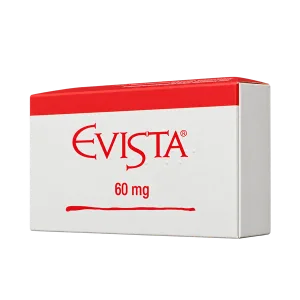
Evista

Active ingredient: Raloxifene
60mg
From AED 215.00
pills
4.2 (3)

Comparison table: Menopause

Common questions

What should I do after a missed Estriol application?

Apply the missed dose when remembered unless the next scheduled application is near. If the next application is due soon, skip the missed one and return to the usual schedule; do not double the quantity. The NHS guidance updated in 2024 supports avoiding catch-up dosing that increases irritation or exposure. [3]

How long does an Estriol course last, and is long-term use acceptable?

The initial course and maintenance schedule depend on symptom severity, tissue response, age, and medical history. Some people need a regular maintenance regimen because symptoms return when local oestrogen is stopped. Long-term use may be appropriate for persistent genitourinary symptoms when the prescriber reviews the benefits, bleeding pattern, breast history, and ongoing need. The EMA product information framework, reflected in 2023 product information, treats duration as an individual clinical decision rather than a single universal course length. [4]

How soon can an effect from Estriol Cream become noticeable?

Some people notice improved lubrication or less burning within a few weeks, while tissue resilience and urinary symptoms may take longer. The response depends on the degree of atrophy, adherence, and whether another condition is contributing to symptoms. Lack of improvement after a reasonable treatment period should prompt reassessment rather than repeated dose increases. WHO menopause guidance from 2022 describes genitourinary symptoms as responsive to local therapies, with timing varying between individuals. [5]

Can I be exposed to the sun while using Estriol Cream?

Ordinary sun exposure is not generally a reason to stop local estriol treatment. Estriol Cream is applied to vaginal tissue and is not a topical photosensitising skin product. Use ordinary sun protection for exposed skin, and report a new rash or unusual skin reaction if one develops after treatment. NHS advice published in 2024 also supports seeking clinical review for an unexplained reaction.

What should I discuss with a doctor before starting Estriol?

Discuss any unexplained bleeding, breast cancer history, hormone-sensitive cancer, blood clots, stroke, liver disease, migraine, pregnancy, breastfeeding, or unexplained pelvic pain. Provide a complete list of prescribed medicines, anticoagulants, anticonvulsants, and supplements. A clinician may also need to assess urinary symptoms, vaginal discharge, infection, or tissue changes before selecting local oestrogen. NICE guidance from 2024 supports checking alternative causes when symptoms are unexplained.

Do you offer anonymous delivery?

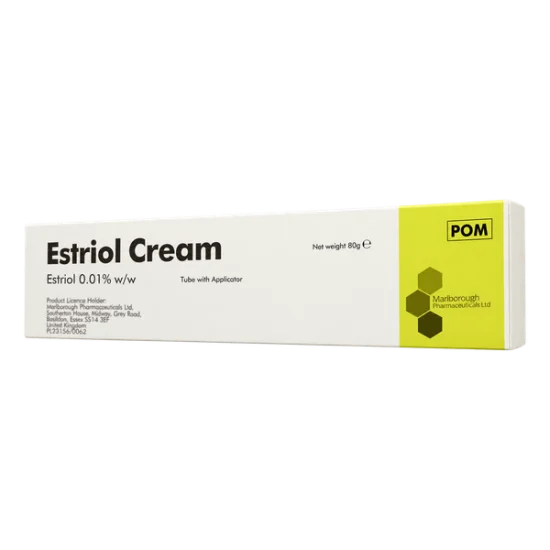
Your order will be securely packed and shipped within 24 hours. This is exactly what your package will look like (images of an actual item sent). It has the size and look of a regular private letter (24x11x0.7 cm) and its contents cannot be seen.

Reviews: Estriol

3.5
Based on 3 reviews
Rachel, 56 Dubai Marina Several weeks
Verified
Rating: 3.5 out of 5

The dryness improved slowly rather than overnight. The applicator was easier to use after I applied a small amount of lubricant around the opening, but I had mild discharge at first.

1 Nov 2026
Hina, 30 Ruwais After the first couple of weeks
Verified
Rating: 3.5 out of 5

I noticed less burning after the first couple of weeks. I still had occasional irritation, and the cream did not solve every urinary symptom, so I needed another review.

6 Oct 2026
Huda, 29 Ajman Early phase
Verified
Rating: 3.5 out of 5

The first applications felt uncomfortable and I missed several doses. I later learned that using more cream was not the answer; the clinician adjusted the schedule and the symptoms became easier to manage.

19 Oct 2026

Sources

  1. NICE (2024). Menopause: diagnosis and management — NICE guideline NG23.
  2. NICE (2024). Menopause: diagnosis and management — recommendations on genitourinary symptoms.
  3. NHS (2024). How and when to use vaginal oestrogen.
  4. EMA (2023). Summary of Product Characteristics (SmPC) — estriol vaginal preparations
  5. World Health Organization (2022). WHO recommendations on care for women experiencing the menopausal transition.
Get our free app Shop faster and track your orders 3.9 · 576 reviews Install