Skip to content
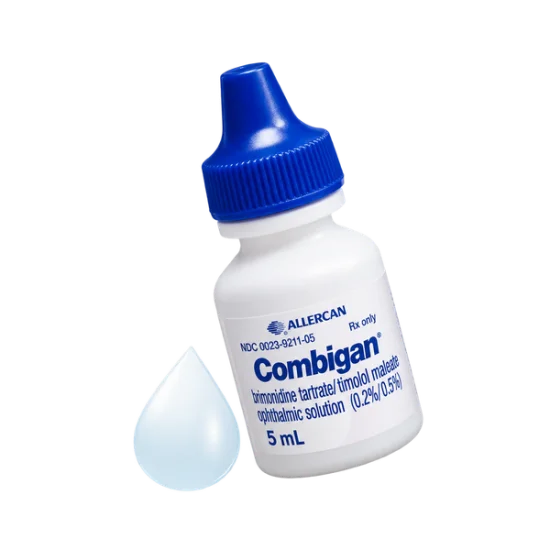
Combigan
Active ingredient: Brimonidine, Timolol

Combigan

Quality products
24/7 Support
Fast delivery
Delivery from 4 days
Select pack Package Per unit Price

Free delivery on orders from AED 860.00, free express delivery from AED 1,290.00

Secure Payments
Track your order
Best price guarantee

Raised intraocular pressure can damage the optic nerve in open-angle glaucoma and ocular hypertension. Combigan is an ophthalmic solution containing brimonidine tartrate and timolol maleate for adults who need stronger pressure control than one eye-drop medicine provides.

Product information

Combigan is an ophthalmic solution containing brimonidine tartrate and timolol maleate. Brimonidine is an alpha-2 adrenergic receptor agonist, while timolol, used as timolol maleate, is a beta-blocker.

Dosage and administration

Use Combigan in the affected eye or eyes according to the individually prescribed schedule. The dose is decided individually, taking age, other medicines and health conditions into account.

A careful application routine helps ensure the drop reaches the eye rather than the cheek or eyelid. Wash and dry your hands before handling the bottle. Remove soft contact lenses before use. Avoid touching the bottle tip to any surface. These steps help reduce contamination and improve dosing consistency:

  1. Wash and dry your hands.
  2. Remove soft contact lenses before using the drops.
  3. Tilt the head back and pull down the lower eyelid to form a small pocket.
  4. Hold the bottle above the eye without letting the tip touch the eye, lashes, fingers, or skin.
  5. Instil the prescribed drop into the lower-eyelid pocket.
  6. Close the eye gently and press a finger at the inner corner, beside the nose, for about two minutes.
  7. If other topical ophthalmic preparations are prescribed, leave at least five minutes between them.
  8. Reinsert soft contact lenses no sooner than 15 minutes after administration.

Nasolacrimal occlusion is the name for pressing the inner eye corner after a drop. It reduces drainage into the nose and can limit whole-body exposure to brimonidine and timolol.

A bottle tip that touches the eyelashes is a common source of contamination. Keep the tip suspended just above the lower-lid pocket, even if this takes a few attempts.

If a scheduled dose is missed, use it when remembered unless the next scheduled administration is close. Do not use extra drops to compensate. A doubled dose does not improve pressure control and may increase beta-blocker effects such as a slow pulse or light-headedness.

Ingredients

Combigan combines two ophthalmic antiglaucoma drug classes in one bottle: brimonidine tartrate 0.2% and timolol maleate 0.5%. Brimonidine is an alpha-2 adrenergic receptor agonist, while timolol, used as timolol maleate, is a beta-blocker.

Active ingredient Drug class Main effect in the eye
Brimonidine tartrate Alpha-2 adrenergic receptor agonist Reduces fluid production and increases uveoscleral outflow
Timolol maleate Beta-blocker Reduces fluid production

How it affects the body

The two medicines act at different points in aqueous-humour regulation. Brimonidine lowers pressure by reducing fluid production and increasing uveoscleral outflow, a secondary drainage route from the eye. Timolol reduces aqueous-humour secretion through beta-receptor blockade in the ciliary body. Together, these actions create an ocular hypotensive effect.

Active ingredient Drug class Main effect in the eye
Brimonidine tartrate Alpha-2 adrenergic receptor agonist Reduces fluid production and increases uveoscleral outflow
Timolol maleate Beta-blocker Reduces fluid production

Therapeutic indications

Combigan Eye Drops are prescription glaucoma eye drops supplied as a 5 mL ophthalmic solution bottle. They are used for glaucoma treatment and ocular hypertension therapy when raised intraocular pressure needs sustained control, including when a single pressure-lowering medicine has not achieved the required result. [1]

Combigan is used in adults with:

  • Open-angle glaucoma, where the eye’s drainage angle remains open but fluid drainage is inefficient.
  • Ocular hypertension, meaning pressure is above the healthy range without confirmed glaucomatous damage.
  • Elevated pressure that remains above target despite one pressure-lowering eye medicine.

The EMA product information for Combigan describes this fixed combination for lowering raised intraocular pressure in adults with open-angle glaucoma or ocular hypertension. [2]

Common mistakes

Several routine errors reduce the benefit of glaucoma eye drops:

  • Missing doses because the eyes feel comfortable.
  • Instilling several eye preparations one after another without a gap.
  • Letting the bottle tip touch the eye or lashes.
  • Replacing contact lenses immediately after administration.
  • Skipping inner-corner pressure after the drop.
  • Continuing despite increasing redness, itch, eyelid swelling, or breathing symptoms.
  • Assuming eye drops cannot affect pulse, breathing, blood pressure, or blood glucose warning signs.

A frequent practical problem is applying more than one drop because the first one was not felt. The eye can only hold a small volume, so the excess usually runs out or drains into the nose.

Set a recurring reminder linked to an established habit, such as brushing teeth. Glaucoma drops work through consistent use, not through occasional catch-up doses.

When not to use it

It is not for you if you have bronchial asthma, a history of severe reactive airway disease, severe chronic obstructive pulmonary disease, sinus bradycardia, second- or third-degree atrioventricular block without a pacemaker, overt heart failure, or cardiogenic shock.

Avoid Combigan if any of the following apply:

  • Allergy to brimonidine, timolol, or another component of the ophthalmic solution.
  • Current treatment with monoamine oxidase inhibitors.
  • Treatment with medicines that significantly affect noradrenergic transmission.
  • Severe lung disease with bronchospasm.
  • Clinically significant slow heartbeat, heart block, or unstable heart failure.
  • Infancy or childhood, unless an eye specialist has made a specific clinical decision.

The FDA prescribing information lists respiratory, cardiac, and drug-interaction precautions for the brimonidine/timolol combination. [3]

When this is not for you

Timolol is absorbed systemically even though it is given as an eye drop. This is why respiratory and cardiovascular conditions can make Combigan unsuitable. Brimonidine may also cause sleepiness, reduced alertness, and lowered blood pressure in susceptible people.

Tell the prescribing ophthalmologist about oral beta-blockers, calcium-channel blockers, digoxin, antiarrhythmics, insulin, antidepressants, sedatives, and medicines for blood pressure. Timolol may add to the heart-rate-lowering effect of several cardiovascular medicines. It can also mask warning signs of low blood glucose, such as tremor and palpitations, in people using insulin or other glucose-lowering treatment. [3]

Keep a written list of heart, lung, diabetes, and blood-pressure medicines for eye appointments. Eye drops are easy to forget when discussing regular treatment, yet timolol can interact systemically.

Possible side effects

Local effects are more common than serious systemic reactions. Burning, stinging, redness, itching, dry-eye sensation, blurred vision shortly after instillation, and eye discomfort may occur. Some people develop allergic conjunctivitis or conjunctival folliculosis, where small raised follicles appear inside the eyelid and the eye becomes persistently itchy or red.

Temporary blurring soon after a drop can happen because the liquid briefly coats the corneal surface. Avoid driving or tasks requiring clear vision until sight is fully clear.

Brimonidine can cause tiredness, drowsiness, headache, dry mouth, and dizziness. Timolol can produce a slow pulse, low blood pressure, fatigue, shortness of breath, wheezing, or worsening of underlying heart failure in vulnerable people. These effects are uncommon but medically significant because they may reflect systemic beta-blockade.

Seek urgent medical assessment for chest pain, fainting, new wheeze, breathing difficulty, marked swelling of the eyelids, severe eye pain, or a widespread rash. Persistent redness and itching deserve ophthalmic review, since an allergic reaction can become more troublesome with continued exposure.

Comparison

Combination glaucoma drops are used when one mechanism does not lower pressure enough or when using multiple single-agent bottles makes the routine difficult. A fixed combination such as Combigan can reduce the number of separate products used each day, which may support regular use in long-term glaucoma treatment.

Approach Potential advantage Limitation
Fixed brimonidine/timolol combination Two pressure-lowering mechanisms in one bottle Includes beta-blocker precautions for every user
Single-agent therapy Simpler safety profile for some people May not reach the individual pressure target
Separate two-drop regimen Allows each medicine to be adjusted independently More bottle handling and more opportunities to miss doses

Fixed combinations are not automatically the best choice for every person. A clinician may prefer separate agents when one component needs changing, when side effects appear, or when beta-blockers are unsuitable. NICE glaucoma guidance supports individualised pressure targets and treatment choices based on optic-nerve risk, pressure level, treatment response, and tolerability. [4]

What doctors say

In clinical practice, ophthalmologists focus on three details: the pressure target, the optic nerve, and adherence to the drop routine. A lower pressure reading is useful only if it remains stable across follow-up visits.

Doctors also watch for hidden tolerability issues. A patient may say the drops are fine while mentioning tiredness, shortness of breath on stairs, or a pulse that seems slower than usual. These details can matter with timolol-containing ophthalmic preparations.

Combigan may be useful when a single medicine has not achieved adequate pressure reduction. Its limitation is that both ingredients must suit the individual. A person with asthma or conduction problems may need a non-beta-blocker strategy instead.

Comparison

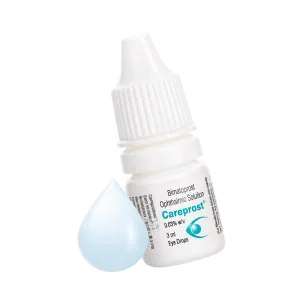
Careprost

Active ingredient: Bimatoprost
0.3mg
From AED 408.50
bottles
4.4 (5)

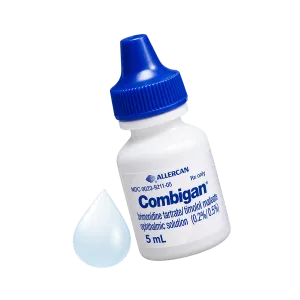
Combigan Current

Active ingredient: Brimonidine, Timolol
0.2%0.5%
From AED 589.10
bottles
4 (5)

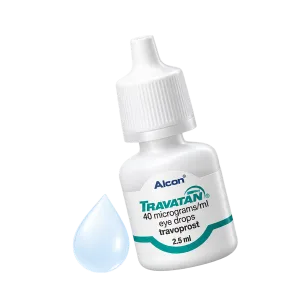
Travatan

Active ingredient: Travoprost
2.5ml
From AED 477.30
bottles
4 (3)

Comparison table: Glaucoma

Common questions

Does Combigan cause tiredness or drowsiness?

Yes, tiredness and drowsiness can occur because brimonidine may have effects beyond the eye after absorption. Timolol can also contribute to fatigue or light-headedness by lowering heart rate or blood pressure in sensitive people. The FDA prescribing information updated in 2022 lists fatigue and somnolence among reactions reported with the active ingredients. Avoid driving until you know how Combigan affects your alertness.

Steps when eye pressure does not reach the target

Do not add drops or increase frequency independently. An ophthalmologist may recheck pressure, technique, adherence, optic-nerve findings, and the timing of measurements before changing treatment. NICE guidance from 2022 treats pressure targets as individual clinical decisions rather than one number that suits every person. Persistent elevation can lead to a different regimen, laser treatment, or surgery depending on the condition.

Use in people under 18

Combigan is generally not used in children and is contraindicated in infants. Brimonidine can cause serious central nervous system effects in very young children, including excessive sleepiness and reduced alertness. The EMA product information published in 2024 limits the usual indication to adults with glaucoma or ocular hypertension. Paediatric eye-pressure management requires specialist supervision.

Use in older adults

Older adults may use Combigan when the prescriber considers both ingredients appropriate. Age itself does not rule out treatment, yet heart rhythm disorders, lung disease, low blood pressure, falls, and multiple cardiovascular medicines are more common with advancing age. The WHO glaucoma resources updated in 2023 recognise that glaucoma prevalence rises with age, making regular pressure and optic-nerve follow-up central to care. Report dizziness, unusual tiredness, wheeze, or a noticeably slow pulse promptly.

Alcohol use during Combigan treatment

Alcohol does not directly change the pressure-lowering mechanism in the eye, yet it can add to dizziness, drowsiness, or low-blood-pressure symptoms caused by brimonidine or timolol. This combination may be more noticeable in people also using blood-pressure medicines or sedating treatment. The FDA prescribing information from 2022 advises caution with substances that depress the central nervous system. If alcohol has previously made you faint, dizzy, or unsteady, avoid combining it with a new ophthalmic treatment until its effects are known.

Do you offer anonymous delivery?

Your order will be securely packed and shipped within 24 hours. This is exactly what your package will look like (images of an actual item sent). It has the size and look of a regular private letter (24x11x0.7 cm) and its contents cannot be seen.

Reviews: Combigan

4
Based on 5 reviews
Aisha, 26 Ruwais
Verified
Rating: 5 out of 5

Ruwais, used Combigan as prescribed for raised eye pressure after a specialist review. The first few days brought mild stinging for less than a minute. She found that closing the eye and pressing the inner corner made the drops feel less likely to run down her cheek.

6 Oct 2026
Hina, 30 Al Ain Several weeks
Verified
Rating: 3.5 out of 5

Al Ain, used the drops for several weeks alongside regular pressure checks. Her vision blurred briefly after application, so she moved the routine away from her morning drive. The pressure readings improved, though dry mouth was annoying during the first week.

14 Oct 2026
Sultan, 54 Dubai
Verified
Rating: 5 out of 5

Dubai, had previously struggled to keep track of separate glaucoma drops. Using one bottle made the routine easier for him. He said he stopped touching the bottle tip to his lashes after an eye nurse explained that this could contaminate it.

19 Oct 2026
Karim H., 69 Umm Al Quwain Two months
Verified
Rating: 2.5 out of 5

Umm Al Quwain, used Combigan for two months and reported that his eye became increasingly itchy and red. The discomfort did not settle, and his ophthalmologist changed the treatment plan after assessing possible allergic conjunctivitis. He felt the pressure control had been good before the reaction appeared.

28 Oct 2026
Leah, 33 Al Nahda
Verified
Rating: 4 out of 5

Al Nahda, used the prescribed drops while wearing soft contact lenses. She initially forgot the 15-minute wait before reinserting lenses, which made her eyes feel irritated. Removing the lenses first made the routine more comfortable.

3 Nov 2026

Sources

  1. European Medicines Agency (2024). Combigan: Summary of Product Characteristics.
  2. European Medicines Agency (2024). Combigan: EPAR Product Information.
  3. U.S. Food and Drug Administration (2022). Combigan (brimonidine tartrate/timolol maleate ophthalmic solution) Prescribing Information.
  4. National Institute for Health and Care Excellence (2022). Glaucoma: Diagnosis and Management (NG81).
Get our free app Shop faster and track your orders 3.9 · 576 reviews Install