Skip to content
Zovirax
Active ingredient: Aciclovir

Zovirax

Quality products
24/7 Support
Fast delivery
Delivery from 4 days
Select pack Package Per unit Price

Free delivery on orders from AED 860.00, free express delivery from AED 1,290.00

Secure Payments
Track your order
Best price guarantee

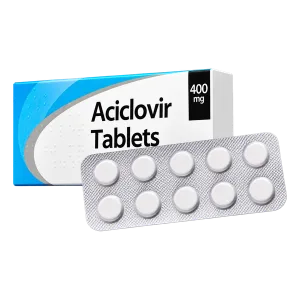
Zovirax tablets contain aciclovir, an antiviral that limits the multiplication of herpes simplex virus. They are used for selected herpes infections when oral treatment is appropriate, with the dose and duration agreed with a doctor or pharmacist.

Product information

Zovirax contains aciclovir, an antiviral medicine in tablet form. Aciclovir is used against infections caused by herpes viruses, including herpes simplex and, in suitable cases, varicella-zoster virus. It does not remove the virus from the body, but it can reduce viral multiplication during an active episode.

Dosage and administration

The amount used and the frequency depend on the purpose of treatment and are agreed with a doctor or pharmacist. Oral Zovirax dosing varies between cold sores, genital herpes, shingles, recurrent infection prevention, and treatment in people with weakened immunity.

The usual administration principles are:

  • swallow the tablets with water;
  • take each dose at the agreed interval;
  • begin treatment as early as possible when the prescriber has recommended treatment for a recurrence;
  • complete the prescribed course unless a serious reaction requires urgent medical assessment;
  • drink adequate fluids unless a clinician has restricted your fluid intake;
  • take a missed dose when remembered, unless the next scheduled dose is close;
  • skip the missed dose when the next dose is due soon;
  • never take two doses together to compensate.

The tablets may be taken with food if stomach discomfort occurs. Food does not replace regular timing, and changing the interval repeatedly can reduce the consistency of antiviral exposure. The FDA prescribing information describes dose adjustment in renal impairment and stresses attention to kidney function and hydration [2].

A missed dose is usually handled by taking it when remembered, unless the next dose is near. Doubling the next dose increases side-effect risk without reliably improving antiviral action.

Patients sometimes stop as soon as the pain improves. That can be unsuitable when a full course has been prescribed for a more extensive infection. Others take leftover tablets for every lip lesion without confirming the diagnosis; mouth ulcers, bacterial infections, eczema, and allergic reactions can resemble herpes but need different treatment.

Do not share tablets with another person. The correct regimen can differ sharply between people with normal kidney function and those with reduced kidney clearance.

Ingredients

Zovirax contains aciclovir, an antiviral medicine in tablet form. Aciclovir is used against infections caused by herpes viruses, including herpes simplex and, in suitable cases, varicella-zoster virus. It does not remove the virus from the body, but it can reduce viral multiplication during an active episode.

Treatment decisions depend on the infection, its severity, immune status, kidney function, age, and whether the episode is a first infection or a recurrence. A cold sore limited to the lip may not require the same approach as extensive oral herpes, genital herpes, shingles, or infection in a person with reduced immunity.

Herpes simplex virus remains dormant in nerve tissue after the initial infection. Reactivation may produce tingling, grouped blisters, painful erosions, or crusting around the lips, mouth, skin, or genitals. Oral aciclovir can be considered when the affected area, recurrence pattern, or patient risk makes systemic treatment useful.

Tell the prescriber if you have kidney disease, receive dialysis, or regularly drink very little fluid. Aciclovir leaves the body mainly through the kidneys, so hydration and dose selection matter.

The tablets are swallowed with water. They are not a topical cream, and they should not be applied to a cold sore, the eyes, or genital skin.

How it affects the body

Aciclovir resembles one of the building blocks used to make viral DNA. After entering an infected cell, herpes simplex virus enzymes activate aciclovir more efficiently than uninfected cells do. The activated compound then interferes with viral DNA polymerase, an enzyme required for the virus to copy its genetic material [1].

This action has two practical consequences:

  • viral replication slows;
  • fewer newly infected cells are produced during the treatment period.

Aciclovir works best when started early, such as during the tingling or burning phase of a recurrent outbreak, because viral replication is then increasing. It cannot reverse damage that has already healed and does not guarantee that a future outbreak will be prevented.

The medicine acts selectively because the first activation step is mainly carried out by viral thymidine kinase. This helps explain why aciclovir is more active in infected cells than in most healthy cells. Viral resistance can occur, with the greatest concern in people who have severe immune suppression and repeated or prolonged exposure to antiviral treatment.

Zovirax is an antiviral, not an antibiotic. Antibiotics do not treat herpes simplex virus. The medicine also does not provide reliable protection against transmission during an outbreak, so active lesions still require careful hygiene and avoidance of sexual contact involving affected skin.

Therapeutic indications

Aciclovir is used against infections caused by herpes viruses, including herpes simplex and, in suitable cases, varicella-zoster virus.

Oral aciclovir can be considered when the affected area, recurrence pattern, or patient risk makes systemic treatment useful.

Oral Zovirax dosing varies between cold sores, genital herpes, shingles, recurrent infection prevention, and treatment in people with weakened immunity.

Common mistakes

Several errors reduce the usefulness of treatment:

  • waiting several days after symptoms become severe before starting an agreed recurrence regimen;
  • taking irregular doses because the lesion looks better;
  • doubling a dose after forgetting one;
  • ignoring reduced urine output or new confusion;
  • taking leftover tablets for an undiagnosed rash;
  • sharing tablets with a partner or family member;
  • assuming oral treatment eliminates transmission risk;
  • using the tablets on the skin instead of swallowing them;
  • failing to mention kidney disease or dialysis;
  • stopping fluid intake because nausea makes drinking uncomfortable.

One detail patients often miss is the difference between symptom relief and viral suppression. Less pain does not necessarily mean that the prescribed course is complete.

Another common problem is confusing a cold sore with a lesion inside the mouth. Recurrent herpes labialis usually affects the lip border or nearby facial skin, while persistent ulcers inside the mouth can have other causes and may need examination.

Avoid touching the lesion and then rubbing the eyes. Wash hands after accidental contact. Do not share lip balm, towels, razors, or utensils during an active outbreak, and avoid sexual contact involving affected skin until lesions have healed.

When not to use it

Zovirax is not suitable for you if you have previously had a serious allergic reaction to aciclovir, valaciclovir, or another ingredient in the tablets. Valaciclovir is converted into aciclovir in the body, so a previous severe reaction to valaciclovir is clinically relevant.

Extra caution or dose adjustment may be required with:

  • chronic kidney disease;
  • dialysis;
  • dehydration;
  • advanced age;
  • pregnancy or breastfeeding;
  • medicines that may affect kidney function;
  • medicines that compete for renal tubular secretion;
  • significant immune suppression.

Probenecid and mycophenolate can alter aciclovir exposure. Other medicines that affect the kidneys may increase the need for monitoring, especially when several risk factors occur together. Provide a complete medicine list before treatment, including supplements and non-prescription pain medicines.

When this is not for you

This treatment is not for you if a prescriber has identified a severe allergy to aciclovir or valaciclovir, if you have a serious unexplained reaction after a previous dose, or if your kidney function makes the planned regimen unsuitable. A clinician may select a different plan rather than simply reducing the interval between doses.

Herpes affecting the eye requires prompt medical assessment. Painful eye redness, light sensitivity, reduced vision, or lesions near the eye should not be managed with tablets alone without clinical evaluation. Extensive facial lesions, severe headache, neck stiffness, confusion, or rapidly worsening illness also require urgent assessment.

Possible side effects

Most people do not experience severe problems with oral aciclovir, but unwanted effects can occur. Reported reactions include:

  • headache;
  • nausea;
  • vomiting;
  • diarrhoea;
  • abdominal discomfort;
  • tiredness;
  • dizziness;
  • skin rash or itching.

Nausea is easier to manage when the tablet is taken with water and, if suitable, alongside food. A mild headache may occur early in treatment. Persistent vomiting matters because it can cause dehydration and make kidney-related toxicity more likely.

Rare but serious reactions include confusion, agitation, hallucinations, tremor, seizures, severe drowsiness, reduced urine output, or marked weakness. These effects are more concerning in older adults, people with kidney impairment, and people receiving doses that are too high for their renal function.

An immediate allergic reaction may cause swelling of the lips, tongue, face, or throat, breathing difficulty, widespread hives, or collapse. Stop taking further doses and seek urgent medical care if these symptoms develop.

Confusion after starting oral aciclovir deserves attention, especially in an older adult. It can be mistaken for ordinary tiredness, while the combination of neurological symptoms and reduced urine output may signal excessive exposure.

Clinical safety information from the European Medicines Agency and national prescribing references links neurological reactions and kidney problems mainly with susceptible patients, excessive exposure, dehydration, or impaired renal clearance [3].

Comparison

Treatment approach Main role Practical limitation
Oral aciclovir Systemic treatment for selected herpes infections Requires dose selection and kidney-related precautions
Oral antiviral with longer dosing interval May be chosen when fewer daily doses are clinically suitable Still requires prescription assessment and interaction review
Topical antiviral treatment Local treatment for limited lesions in selected situations Less suitable for extensive, recurrent, or immune-compromised disease

Aciclovir remains a well-established option because its antiviral target is understood and clinical experience spans several decades. A different oral antiviral may be selected when adherence to frequent dosing is difficult or when the clinical indication supports another regimen.

Topical treatment can be appropriate for a small, uncomplicated lesion in some settings, while oral treatment may be considered for extensive disease, genital herpes, severe pain, frequent recurrence, or increased medical risk. These approaches are not interchangeable by tablet count or convenience alone.

The best choice depends on the herpes virus involved, lesion location, recurrence history, immune function, kidney function, and treatment objective. A physician may also consider suppressive treatment when outbreaks are frequent or cause major disruption. CDC guidance also addresses suppressive treatment for recurrent genital herpes.

What doctors say

In clinical practice, physicians usually judge oral aciclovir by the infection being treated rather than by the appearance of one lesion alone. Early treatment tends to be more useful than delayed treatment, yet it does not guarantee that every outbreak will shorten by the same amount.

A doctor will usually ask about the first day of symptoms, previous herpes diagnoses, recurrence frequency, immune conditions, pregnancy status, kidney disease, and current medicines. Those details determine whether episodic treatment, suppressive treatment, or a different diagnosis deserves attention.

Patients often expect a tablet to remove pain immediately. Aciclovir targets viral replication, while pain and inflammation may continue as the lesion heals. Analgesic advice, hydration, and protection of the affected skin may still be needed.

The World Health Organization describes herpes simplex infection as persistent and recurrent, with many infections producing few or no symptoms. This explains why treatment can control an episode without eliminating the dormant virus [4].

A useful clinical distinction is recurrence versus a new pattern. A familiar small lesion that resolves in the usual way may follow an established plan. A first outbreak, unusually extensive lesions, frequent episodes, or poor healing deserves reassessment.

Comparison

Aciclovir

Active ingredient: Aciclovir
200mg 400mg 800mg
From AED 399.90
pills
4 (3)

Tamiflu

Active ingredient: Oseltamivir
75mg
From AED 649.30
capsules
3.6 (4)

Valtrex

Active ingredient: Valaciclovir
1000mg 500mg
From AED 653.60
pills
4 (5)

Zovirax Current

Active ingredient: Aciclovir
200mg 400mg 800mg
From AED 473.00
pills
4.4 (4)

Comparison table: Antivirals

Common questions

Can people under 18 use Zovirax tablets?

Children and adolescents may receive aciclovir in selected circumstances, but the regimen depends on age, body weight, infection type, and kidney function. The FDA prescribing information available in 2026 describes age-specific clinical considerations rather than one universal schedule for every child. WHO guidance also distinguishes uncomplicated recurrent herpes from severe or disseminated infection. A child with eye involvement, extensive lesions, dehydration, or reduced immunity needs prompt medical assessment. The treating clinician should confirm the dose and duration.

Can alcohol be used while taking Zovirax?

Alcohol is not known to directly deactivate aciclovir, but it can worsen dizziness, nausea, and dehydration. The NHS medicine guidance available in 2026 does not list a specific alcohol reaction as the central interaction concern, while renal function and hydration remain clinically relevant. Avoid heavy alcohol intake during an active infection, especially if vomiting, diarrhoea, fever, or reduced fluid intake is present. Alcohol can also make it harder to recognise confusion or unusual drowsiness.

Which symptoms mean that Zovirax should be stopped and a doctor contacted urgently?

Urgent symptoms include swelling of the face or throat, breathing difficulty, collapse, widespread blistering rash, seizures, severe confusion, hallucinations, or marked drowsiness. New loss of urine or a major fall in urine output also requires prompt assessment, especially in an older person or someone with kidney disease. The FDA safety information available in 2026 identifies serious hypersensitivity, neurological reactions, and renal problems as reasons for urgent medical attention. Do not take an extra dose while waiting for advice.

Can the tablet be split, crushed, or chewed?

Swallow the tablet with water unless a prescriber or pharmacist gives a specific alternative instruction. The product information recognised by EMA in 2026 should guide whether a particular tablet can be divided, because tablet design can vary between presentations. Crushing or chewing may be unsuitable if it causes difficulty with the intended administration or leads to inaccurate dosing. Never crush a tablet simply to apply it to a cold sore.

How long does one dose of Zovirax keep working?

A single dose does not provide continuous protection from future herpes outbreaks. Aciclovir is cleared through the kidneys, so treatment schedules use repeated doses at intervals selected for the infection and the patient’s renal function. The FDA information available in 2026 describes dosing frequency as indication-specific rather than one fixed duration for every condition. Missing doses can reduce antiviral exposure, while taking extra doses can increase adverse effects.

Which condition rules out Zovirax tablets?

A previous severe allergic reaction to aciclovir or valaciclovir rules out further use unless a specialist establishes another safe plan. The EMA safety information available in 2026 also supports careful assessment in people with kidney impairment, dehydration, or neurological vulnerability. Kidney disease does not always make treatment impossible, but it may require a revised dose or closer monitoring. Severe eye symptoms or a rapidly spreading infection require examination rather than self-treatment alone.

Do you offer anonymous delivery?

Your order will be securely packed and shipped within 24 hours. This is exactly what your package will look like (images of an actual item sent). It has the size and look of a regular private letter (24x11x0.7 cm) and its contents cannot be seen.

Reviews: Zovirax

4.4
Based on 4 reviews
Tariq V., 43 Hatta
Verified
Rating: 5 out of 5

I started after the tingling began, as previously advised. The sore still appeared, but it was smaller than usual. I noticed mild nausea on the first day, which settled after taking the dose with food.

7 Nov 2026
Mohammed, 42 Khor Fakkan
Verified
Rating: 4 out of 5

The pain did not disappear after the first dose, so I initially thought it was doing nothing. By the third day the new blisters had stopped appearing. I had to set reminders because the schedule was easy to miss.

15 Nov 2026
Waleed, 61 Al Ain
Verified
Rating: 3.5 out of 5

The tablets helped during the outbreak, but I felt unusually tired and dizzy. My doctor reviewed my other medicines and kidney function before deciding what to do next. I would not repeat the course without that review.

17 Oct 2026
Rajesh, 68 Ras Al Khaimah
Verified
Rating: 5 out of 5

I forgot one dose and nearly doubled the next one. The pharmacist told me not to do that. The outbreak settled, but the main lesson was to keep the dosing times written down and drink enough water.

26 Oct 2026

Sources

  1. U.S. Food and Drug Administration (2003). Zovirax (acyclovir) Capsules, Tablets and Suspension Prescribing Information.
  2. U.S. Food and Drug Administration (2016). Acyclovir tablets: prescribing information.
  3. NHS (2024). Side effects of aciclovir.
  4. World Health Organization (2023). Herpes simplex virus.
Get our free app Shop faster and track your orders 3.9 · 576 reviews Install