Skip to content
Mysoline
Active ingredient: Primidone

Mysoline

Quality products
24/7 Support
Fast delivery
Delivery from 4 days
Select pack Package Per unit Price

Free delivery on orders from AED 860.00, free express delivery from AED 1,290.00

Secure Payments
Track your order
Best price guarantee

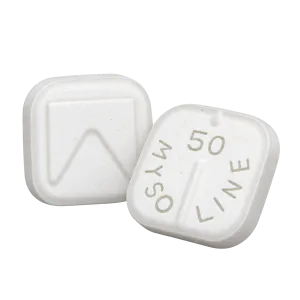
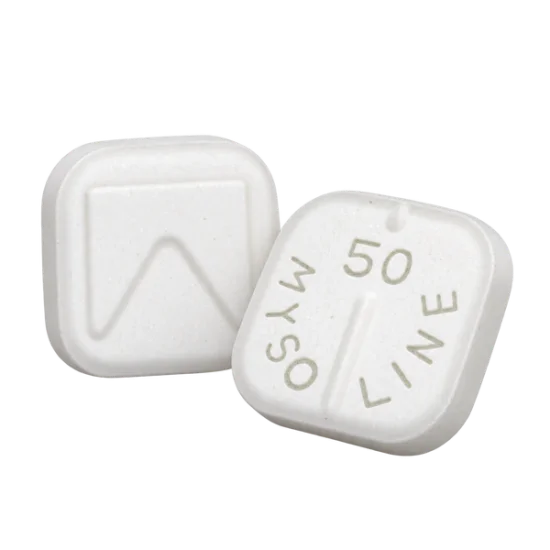
Primidone, the active ingredient associated with Mysoline, is an oral antiseizure treatment for selected seizure disorders. Mysoline is used under clinical supervision when seizure type, medical history, and other medicines have been assessed.

Product information

Primidone, the active ingredient associated with Mysoline, is an oral antiseizure treatment for selected seizure disorders. Its anticonvulsant effect relates to primidone and the active substances formed when the body processes it. The treatment does not suit every seizure pattern.

Dosage and administration

The dose of Mysoline is decided individually, taking age, other medicines, and health conditions into account. The prescriber may adjust treatment gradually to reduce sedation, dizziness, nausea, and balance problems.

  • Take the tablets at the prescribed times and keep the schedule as regular as possible.
  • Swallow the prescribed strength as directed.
  • Do not increase, reduce, split, or stop treatment without an agreed plan.
  • If a dose is missed, follow the missed-dose instruction provided for the prescription; do not automatically double the next dose.
  • Tell the prescriber about persistent sleepiness, unsteady walking, new visual symptoms, or continuing seizures.
  • Children, older adults, and people with liver or kidney disease require individual dosing assessment.

Dose Adjustment and Treatment Continuity

The maintenance amount differs between patients. A clinician may change the schedule after reviewing seizure frequency, daytime alertness, other medicines, and any laboratory results that are clinically justified.

Treatment interruption can be hazardous even when a person has been seizure-free for a long period. Seizure freedom may reflect successful treatment rather than disappearance of the underlying tendency to seize.

Daily Precautions

Alcohol, sedatives, sleep medicines, and some antihistamines may intensify drowsiness or impaired coordination. The combined effect can be stronger during the first weeks or after a dose increase.

Do not judge driving readiness only by how alert you feel while sitting at home. Test reaction and coordination are affected by real-world movement, traffic, and sudden decisions.

Ingredients

Mysoline is associated with the active ingredient primidone. After oral administration, the body metabolises part of primidone into phenobarbital and phenylethylmalonamide, also called PEMA. A metabolite is a substance produced when the body processes a medicine.

Primidone and Its Active Metabolites

Primidone and its metabolites reduce excessive neuronal excitability through anticonvulsant effects. Phenobarbital contributes substantially to the pharmacological activity, while phenylethylmalonamide has a different and less clearly defined contribution. Neither the speed of metabolism nor the balance between these substances is identical in every patient.

This explains why one person may experience useful seizure control with manageable drowsiness, while another may develop sedation, dizziness, or coordination problems during dose adjustment. Age, liver function, kidney function, genetics, and interacting medicines can influence exposure.

How it affects the body

Primidone and its metabolites reduce excessive neuronal excitability through anticonvulsant effects. Phenobarbital contributes substantially to the pharmacological activity, while phenylethylmalonamide has a different and less clearly defined contribution. Neither the speed of metabolism nor the balance between these substances is identical in every patient.

Therapeutic indications

Mysoline tablets contain primidone and are prescribed for selected focal, psychomotor, and generalised tonic-clonic seizures, also called grand mal seizures. Treatment choice depends on the confirmed seizure type, frequency, age, kidney and liver function, and other antiseizure medicines. The FDA prescribing information describes primidone as an anticonvulsant used in the management of major and psychomotor seizures [1].

Seizure type Typical clinical description Role of Mysoline
Focal epileptic seizures Abnormal electrical activity begins in one area of the brain; awareness may remain intact or become impaired May be prescribed when the clinician considers primidone suitable
Psychomotor seizures An older term often overlapping with focal seizures with impaired awareness; behaviour or awareness may change temporarily Requires confirmation because symptoms can have several causes
Generalised tonic-clonic seizures Stiffening followed by rhythmic jerking and loss of awareness; formerly called grand mal May be included in a clinician-directed treatment plan

Focal and Psychomotor Seizures

Focal seizures begin in a specific brain region. A person may experience unusual sensations, repetitive movements, staring, confusion, or reduced awareness. The term psychomotor seizure is older and may overlap with focal seizures with impaired awareness.

A description alone cannot confirm the diagnosis. Neurological assessment, seizure history, witness accounts, and sometimes electroencephalography help distinguish epilepsy from fainting, sleep disorders, medication effects, or other conditions.

Seizure control often depends on taking each scheduled dose consistently, even after symptoms improve.

Keep a simple record of seizure dates, possible triggers, missed doses, sleep disruption, and new adverse effects. This gives the prescriber useful information when adjusting primidone.

Grand Mal Seizures

Generalised tonic-clonic seizures affect both sides of the brain and commonly cause loss of consciousness, muscle stiffening, and rhythmic jerking. The older term grand mal epileptic seizure remains widely recognised, although clinicians generally use generalised tonic-clonic seizure.

A seizure lasting five minutes or longer is a medical emergency. Emergency help is also needed when seizures repeat without recovery, breathing remains difficult, serious injury occurs, or the event happens in water.

Common mistakes

The most frequent practical errors involve treatment interruption, missed doses, and unreported sedating products.

  • Stopping after a seizure-free period: seizure control may depend on ongoing treatment. A planned taper must come from the prescriber.
  • Doubling after a missed dose: extra tablets can increase drowsiness, dizziness, and coordination problems. Use the prescribed missed-dose plan.
  • Mixing Mysoline with alcohol: combined sedation can impair breathing and reaction time.
  • Driving immediately after starting: alertness at home does not prove normal reaction speed on the road.
  • Hiding supplements or sleep products: herbal and non-prescription products may contribute to sedation or alter medicine levels.
  • Sharing tablets: another person’s seizure symptoms may have a different cause and require a different treatment.
  • Assuming every unusual symptom is epilepsy: fainting, low blood glucose, sleep disorders, and medication effects can resemble seizures.

Abrupt Treatment Discontinuation

Abrupt withdrawal of primidone can worsen seizure control and may cause prolonged or repeated seizures. A gradual reduction, when appropriate, must be designed around the current regimen and clinical history.

Missed Doses and Sedation Errors

When the timing of a missed dose is uncertain, obtain patient-specific instructions rather than guessing. Never compensate for a missed tablet by taking extra medicine unless the prescribing team has given that exact instruction.

When not to use it

Mysoline is contraindicated in people with porphyria. Porphyria comprises disorders involving haem production, and medicines that affect hepatic haem metabolism can trigger or worsen an attack. The FDA prescribing information lists porphyria as a contraindication for primidone [1].

A contraindication means the medicine should not be used in that situation. A precaution means the medicine may still be considered, but the prescriber must assess the additional risk.

Conditions Requiring Prescriber Review

A prescribing review is needed with:

  • Liver or kidney disease.
  • Respiratory disease or reduced breathing reserve.
  • Depression, suicidal thoughts, or major behavioural change.
  • A history of substance dependence.
  • Previous serious reaction to primidone, phenobarbital, or related medicines.
  • Pregnancy, planned pregnancy, or breastfeeding.
  • Multiple antiseizure medicines or medicines with sedative effects.

When this is not for you

Mysoline is NOT for you if you have porphyria; discuss alternative treatment with a specialist.

Possible side effects

Primidone may cause nervous-system effects because it and its metabolite phenobarbital reduce neuronal activity. Drowsiness, dizziness, nausea, poor coordination, and visual changes are among the effects clinicians watch for during initiation and dose changes.

Symptom Possible significance Action
Sleepiness, dizziness, nausea, or unsteady movement Common early tolerability problem or excessive exposure Avoid driving and report persistent or severe symptoms
Mood change, unusual irritability, confusion, or worsening coordination Clinically significant change requiring review Contact the prescribing team promptly
Facial swelling, breathing difficulty, widespread rash, mouth sores, jaundice, or unusual bruising Possible serious allergic, liver, or blood-related reaction Seek urgent medical assessment

Common Early Effects

Early sedation may lessen for some patients as the body adapts, though it should not be ignored when it interferes with work, walking, childcare, or driving. Nausea may be easier to tolerate when tablets are taken exactly as prescribed, but persistent vomiting can affect treatment continuity and requires review.

Poor coordination is easy to underestimate. A person may stumble only on stairs, spill drinks, or misjudge a step before recognising that the medicine is affecting balance.

Do not respond to unpleasant effects by stopping Mysoline suddenly. The safer approach is a prescriber-led review of timing, dose, interactions, and alternative causes.

Serious Reactions

Urgent assessment is needed for rapidly spreading rash, blistering, mouth or eye sores, facial swelling, breathing difficulty, yellowing of the skin, dark urine, severe confusion, or unusual bruising. These symptoms do not prove that Mysoline caused the problem, but delay can be dangerous.

The FDA medication information for primidone describes central nervous system effects and the need for attention to serious hypersensitivity reactions [1].

Comparison

Mysoline belongs to a primidone-based treatment category. Selection depends on seizure type, prior response, age, pregnancy plans, sedation tolerance, interaction risk, and access to follow-up.

Treatment category Clinical trade-off
Primidone-based treatment Established anticonvulsant action, with possible sedation, coordination problems, metabolite effects, and interaction burden
Newer antiseizure treatment May offer a different interaction or tolerability profile, but suitability depends on seizure type and individual history
Non-drug specialist options May be considered for selected drug-resistant epilepsy cases after specialist assessment; they do not replace medication review for every patient

Treatment Selection Factors

In clinical practice, the priority is sustained seizure control with the least avoidable sedation and interaction burden. A medicine that worked for one seizure pattern may be unsuitable for another.

Benefits and Limitations of Primidone-Based Treatment

Primidone can be useful when its anticonvulsant profile matches the diagnosed seizure disorder. Its limitations include drowsiness, dizziness, impaired coordination, mood changes, enzyme-related interactions, and the need for careful withdrawal planning.

A clinician may also consider laboratory monitoring when symptoms, seizure control, kidney function, liver function, or interacting treatments make it appropriate.

What doctors say

A pharmacist reviewing Mysoline would focus on four points: confirmation of the seizure diagnosis, screening for porphyria, interaction review, and a plan for monitoring mood and sedation. Follow-up may include a seizure diary, adverse-effect review, coordination assessment, and laboratory testing when clinically justified.

Porphyria is a firm contraindication. New suicidal ideation, a self-harm plan, severe rash, breathing difficulty, jaundice, or repeated seizures require urgent assessment rather than routine follow-up.

Questions for the Prescribing Appointment

Bring a record of:

  • The date, duration, and features of recent seizures.
  • Any loss of awareness, injury, tongue biting, or incontinence.
  • Previous antiseizure medicines and the reason for stopping them.
  • All prescribed medicines, supplements, herbal products, and alcohol intake.
  • Pregnancy plans, breastfeeding status, or contraceptive needs.
  • New depression, irritability, agitation, or suicidal thoughts.

Reasons for Earlier Medical Review

Arrange prompt review for persistent drowsiness, falls, worsening coordination, repeated seizures, new mood symptoms, or suspected interactions. Seek emergency help for a seizure lasting five minutes or longer, repeated seizures without recovery, breathing difficulty, facial swelling, severe rash, or imminent self-harm risk.

Comparison

Mysoline Current

Active ingredient: Primidone
250mg
From AED 451.50
tablets
4.1 (4)

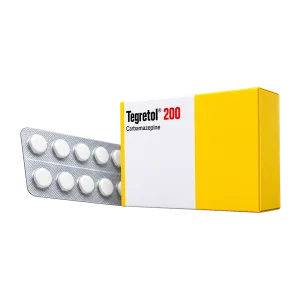
Tegretol

Active ingredient: Carbamazepine
100mg 200mg 400mg
From AED 159.10
pills
3.3 (4)

Comparison table: Epilepsy

Common questions

How long does one Mysoline dose keep working?

Mysoline is scheduled at regular intervals to maintain anticonvulsant exposure across the day, but the practical duration of one dose varies with the prescribed regimen, metabolism, kidney function, and other medicines. Primidone is converted into phenobarbital and phenylethylmalonamide, so effects can persist beyond the initial tablet’s absorption period. FDA prescribing information from 2016 describes individualised dosing and monitoring for primidone treatment .

What happens if Mysoline is stopped, and does it need tapering?

Stopping Mysoline suddenly can worsen seizures and may lead to prolonged or repeated seizures. A taper, when clinically appropriate, is planned around the current dose, seizure history, and other antiseizure medicines. NICE epilepsy guidance published in 2022 supports planned review when antiseizure treatment is withdrawn rather than unsupervised interruption.

Can alcohol be used while taking Mysoline?

Alcohol may add to the drowsiness, poor balance, slowed reaction time, and impaired judgement caused by Mysoline and phenobarbital. Avoid alcohol unless the treating clinician confirms that it is appropriate for the complete medicine regimen. WHO epilepsy information from 2023 stresses the importance of preventing avoidable factors that can compromise seizure safety.

What should be discussed with a doctor before starting Mysoline?

Tell the prescriber about porphyria, liver or kidney disease, breathing problems, depression, substance dependence, pregnancy plans, breastfeeding, and every medicine or supplement used. The treatment plan also needs to account for seizure type, previous treatment response, and medicines that may alter primidone or phenobarbital exposure. MOHAP medication-safety principles in the UAE support complete medicine reconciliation before a prescription is initiated.

Can Mysoline be used during pregnancy or breastfeeding?

Pregnancy and breastfeeding require an individual risk-benefit review because primidone and phenobarbital can expose the fetus or infant, while uncontrolled seizures can also cause serious harm. Do not stop Mysoline independently after pregnancy is confirmed; contact the neurologist and obstetric clinician promptly. ACOG guidance from 2024 supports coordinated planning for antiseizure treatment during pregnancy.

How soon can the effect of Mysoline become noticeable?

Some patients notice adverse effects such as sleepiness or dizziness early, while seizure control may require gradual dose adjustment and observation over time. The time to benefit depends on seizure type, dose changes, adherence, and concurrent medicines. NICE guidance from 2022 recommends treatment review based on seizure control and tolerability rather than judging the response after a single dose.

Is Mysoline suitable for older adults?

Older adults may be more sensitive to drowsiness, dizziness, falls, confusion, and coordination problems. Kidney function, liver function, concurrent sedatives, and the risk of falls should be considered before and during treatment. The American Geriatrics Society Beers Criteria published in 2023 highlights the need for caution with medicines that increase sedation or fall risk in older people.

Do you offer anonymous delivery?

Your order will be securely packed and shipped within 24 hours. This is exactly what your package will look like (images of an actual item sent). It has the size and look of a regular private letter (24x11x0.7 cm) and its contents cannot be seen.

Reviews: Mysoline

4.1
Based on 4 reviews
Joel, 28 Madinat Zayed Several weeks
Verified
Rating: 4 out of 5

Madinat Zayed, used the prescribed primidone dose as directed for several weeks: “The first days were difficult because I felt sleepy and slightly unsteady in the morning. That settled enough for me to return to normal routines, but I avoided driving until I knew how the tablets affected me.”

29 Oct 2026
Zubair, 45 Kalba Several months
Verified
Rating: 5 out of 5

Kalba, the prescribed dose during treatment for several months, with a review after a missed dose: “I once forgot a tablet and nearly took two together. The pharmacist told me to follow the missed-dose instructions instead. Keeping the tablets beside my evening water helped me maintain the routine.”

2 Nov 2026
Bilal, 60 Ras Al Khaimah Long-term
Verified
Rating: 4 out of 5

Ras Al Khaimah, the prescribed primidone dose during long-term seizure treatment: “The medicine helped reduce my seizures, although balance was worse after an increase. My clinician reviewed the timing and other medicines rather than telling me to stop suddenly.”

6 Oct 2026
Karim, 40 Jumeirah The first few weeks
Verified
Rating: 3.5 out of 5

Jumeirah, the prescribed primidone dose during the first few weeks of initiation: “I noticed nausea and slower reactions in the first period. The seizure plan remained useful, but alcohol and late-night driving were clearly poor choices while I was adjusting.”

17 Oct 2026

Sources

  1. U.S. Food and Drug Administration (2016). Mysoline (primidone) prescribing information
Get our free app Shop faster and track your orders 3.9 · 576 reviews Install