Skip to content
Femara
Active ingredient: Letrozole

Femara

Quality products
24/7 Support
Fast delivery
Delivery from 4 days
Select pack Package Per unit Price

Free delivery on orders from AED 860.00, free express delivery from AED 1,290.00

Secure Payments
Track your order
Best price guarantee

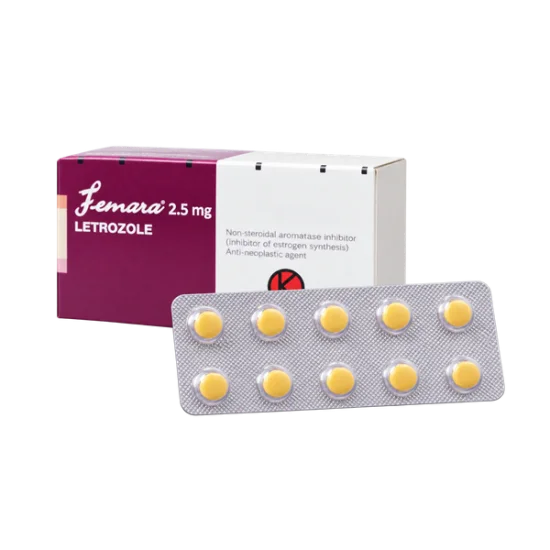
Femara contains letrozole, a non-steroidal aromatase inhibitor used mainly for post-menopausal women with hormone receptor-positive breast cancer. Letrozole may also be selected off-label for ovulation induction; the regimen for the chosen strength must be confirmed with a healthcare professional before starting.

Product information

Femara contains letrozole, a non-steroidal aromatase inhibitor. Letrozole belongs to the antiestrogen therapy group and is used mainly in hormone receptor-positive breast cancer after menopause.

The medicine is prescribed in oncology for post-menopausal women whose breast cancer growth is stimulated by oestrogen. In reproductive medicine, specialists may select letrozole for ovulation induction, which is an off-label use compared with its approved oncology indications.

Dosage and administration

  • Dose: Femara tablets contain 2.5 mg of letrozole; the prescribed dose for the chosen strength must be confirmed with a healthcare professional before starting.
  • Frequency: The number of tablets and times per day must be confirmed with a healthcare professional.
  • Timing: Whether to take the tablet before or after meals, and the time of day, must be confirmed with a healthcare professional.
  • Duration: The treatment duration must be determined by the prescribing healthcare professional.
  • Route: Take the tablet orally.

Ingredients

Femara contains letrozole, a non-steroidal aromatase inhibitor. Letrozole belongs to the antiestrogen therapy group and is used mainly in hormone receptor-positive breast cancer after menopause.

Generic Letrozole contains the same active substance, although inactive ingredients and tablet appearance may differ between manufacturers. The relevant pharmaceutical fact is the active ingredient: letrozole.

Femara is taken as a tablet, not as a hormone replacement product. Its purpose is to reduce oestrogen activity, so hot flushes, joint stiffness, or vaginal dryness may reflect its pharmacological action.

How it affects the body

Aromatase is a cytochrome P450 enzyme. It catalyses the conversion of androgens into oestrogen in peripheral tissues such as adipose tissue, muscle, and breast tissue.

Letrozole blocks aromatase. This lowers the production of oestradiol and other oestrogens in post-menopausal women. Reduced oestrogen stimulation can slow the growth of hormone-sensitive breast cancer cells. The FDA prescribing information describes letrozole as a potent, non-steroidal aromatase inhibitor [1].

The mechanism differs from tamoxifen. Tamoxifen mainly blocks oestrogen receptors in breast tissue, while letrozole reduces the amount of oestrogen available throughout the body. That difference influences which medicine an oncologist selects, how side effects are monitored, and whether ovarian function must also be suppressed.

In premenopausal women, the ovaries can continue producing substantial oestrogen. Letrozole alone is therefore not a substitute for ovarian suppression when treatment requires reliable reduction of ovarian hormone production.

Therapeutic indications

Femara is used in post-menopausal women with hormone receptor-positive breast cancer. Treatment may be considered after surgery, after several years of another endocrine therapy, or for advanced disease, depending on the tumour stage and previous treatment.

The exact treatment plan depends on:

  • Whether the tumour expresses oestrogen receptors or progesterone receptors.
  • Whether the cancer is early-stage, locally advanced, or metastatic.
  • Previous treatment with tamoxifen or another endocrine therapy.
  • Bone density, fracture risk, cardiovascular history, and menopausal symptoms.
  • Other medicines that may affect letrozole exposure or treatment response.

Endocrine therapy can continue for an extended period in breast cancer care. The duration is selected by the oncology team rather than determined by the tablet strength alone. The European Medicines Agency product information describes letrozole use across adjuvant, extended adjuvant, and advanced breast cancer settings [2].

Femara does not treat every type of breast cancer. It is relevant when tumour biology indicates sensitivity to oestrogen pathway suppression. A pathology report, menopausal status, and treatment history guide its use.

Letrozole is widely used by reproductive specialists for ovulation induction in women with anovulatory infertility. This application is off-label in comparison with its oncology indication, and the protocol is set by a fertility clinician.

Fertility protocols may involve:

  • Confirmation that pregnancy is not already present.
  • Assessment of ovulation history and menstrual pattern.
  • Evaluation of ovarian reserve, thyroid function, and other fertility factors.
  • Semen analysis when conception involves a male partner.
  • Ultrasound monitoring in selected cycles.
  • Timing advice based on follicular development or ovulation testing.

Letrozole is not suitable for every cause of infertility. It may be less useful when infertility results from blocked fallopian tubes, severe male-factor infertility, ovarian failure, or conditions requiring a different reproductive approach.

Common mistakes

Several practical mistakes can reduce treatment safety or make side effects harder to interpret.

  • Taking Femara for fertility without confirming the cycle day and protocol.
  • Assuming a missed period proves pregnancy is impossible.
  • Stopping endocrine therapy abruptly because joint pain appears before discussing symptom management.
  • Treating severe joint pain with frequent anti-inflammatory medicines without considering kidney, stomach, or cardiovascular risks.
  • Forgetting to mention vaginal oestrogen or hormone supplements.
  • Ignoring dental, back, or hip pain when bone density is reduced.
  • Assuming letrozole and tamoxifen can be combined routinely.
  • Crushing or splitting a tablet without confirming that the specific formulation allows it.
  • Taking a missed dose close to the next scheduled dose and doubling up.
  • Beginning a fertility cycle without ruling out an existing pregnancy.
If a dose is missed, do not take two tablets together unless the prescribing clinician has given that instruction. The safest response depends on the treatment schedule and how close the missed dose is to the next one.

A further mistake is measuring success only by how the patient feels. Breast cancer endocrine therapy may be working without producing noticeable sensations, while fertility treatment requires cycle-specific monitoring rather than symptom guessing.

When not to use it

Femara is not intended for use during pregnancy because oestrogen suppression can harm fetal development. Females of reproductive potential require a pregnancy assessment and an appropriate contraception plan when clinically indicated.

Post-menopausal status must be established clinically. A woman who has stopped menstruating because of medication, ovarian treatment, or another medical condition may not have the same hormonal profile as a naturally post-menopausal woman.

Femara can reduce bone density. Bone mineral testing may be appropriate before and during prolonged treatment, especially when fracture risk is elevated.

When this is not for you

Femara is not for you if:

  • You are pregnant or may already be pregnant.
  • You have a known allergy to letrozole or a tablet ingredient.
  • You are premenopausal and ovarian function has not been medically addressed for the planned indication.
  • You have severe liver impairment requiring a specialist dosing assessment.
  • You have untreated osteoporosis or a high fracture risk that has not been evaluated.
  • You have symptoms suggesting a serious cardiovascular or thromboembolic problem.

Vision changes, persistent severe headache, or neurological symptoms also warrant medical review.

Possible side effects

Femara side effects are linked mainly to systemic oestrogen reduction. Common reactions include hot flushes, night sweats, joint pain, joint stiffness, muscle discomfort, fatigue, headache, dizziness, nausea, and increased sweating.

Longer treatment can affect bone health. Reduced oestrogen may accelerate bone mineral loss and increase fracture risk, especially in women with osteoporosis, previous fractures, low body weight, smoking history, or prolonged corticosteroid use. Cholesterol changes and cardiovascular events require attention in patients with existing risk factors.

Possible adverse effects include:

  • Arthralgia, which means joint pain.
  • Myalgia, meaning muscle pain.
  • Reduced bone mineral density.
  • Vaginal dryness or discomfort.
  • Sleep disturbance and low mood.
  • Nausea, indigestion, or abdominal discomfort.
  • Headache or light-headedness.
  • Skin rash or hypersensitivity.
  • Rare liver-test abnormalities or thromboembolic events.

Severe chest pain, sudden breathlessness, one-sided leg swelling, facial swelling, or a widespread blistering rash requires urgent medical assessment. New severe depression, disabling joint pain, or a suspected fracture should be reported promptly because the treatment plan may need review.

Patients often notice morning stiffness in the hands or knees. Gentle movement after waking, prescribed exercise, and a structured pain assessment can help distinguish manageable symptoms from treatment-limiting joint disease. Do not start calcium, vitamin D, or other supplements automatically without considering kidney function, diet, and existing medicines.

Keep a short symptom record during the first weeks: location of joint pain, morning stiffness, hot flush frequency, sleep quality, and ability to walk or climb stairs. This gives the oncology team useful information without relying on memory.

Comparison

Letrozole, clomiphene citrate, and tamoxifen act on oestrogen pathways through different mechanisms. Their selection depends on the fertility diagnosis, ovarian response, previous treatment, and pregnancy safety considerations.

Treatment Main mechanism and clinical role Common limitations
Letrozole Aromatase inhibition; lowers oestrogen temporarily and can promote FSH release for ovulation induction Headache, fatigue, hot flushes, dizziness, and joint symptoms may occur; oncology use has different goals
Clomiphene citrate Selective oestrogen receptor modulation; increases pituitary stimulation of the ovaries Hot flushes, mood changes, visual symptoms, and a higher risk of multiple ovulation in some protocols
Tamoxifen Selective oestrogen receptor modulation; blocks oestrogen signalling in breast tissue Used mainly in breast cancer care; it is not interchangeable with letrozole for every fertility or oncology situation

In fertility care, letrozole may be selected when a clinician wants a shorter period of oestrogen suppression and less persistent antiestrogenic activity on the uterine lining. Clomiphene citrate remains useful in some protocols, while tamoxifen has a different clinical role and should not be substituted without a specialist’s direction.

In breast cancer, the comparison is usually between endocrine strategies rather than fertility drugs. Letrozole may be selected after menopause when reducing oestrogen production is preferable to blocking the receptor alone.

What doctors say

In oncology practice, doctors usually assess Femara through three measures: tumour biology, tolerability, and long-term adherence. A patient may have no immediate sensation that the medicine is working, because endocrine treatment is intended to reduce future cancer stimulation rather than produce a rapid symptom change.

For fertility use, a reproductive specialist focuses on ovulation, follicle development, endometrial factors, and the chance of pregnancy in the specific cycle. Letrozole should not be carried from an oncology prescription into fertility treatment without a new clinical plan.

The WHO describes breast cancer treatment as dependent on tumour characteristics, stage, and access to appropriate multidisciplinary care. MOHAP also provides the regulatory framework relevant to medicines used in the United Arab Emirates. These points reinforce why the same active ingredient can be used under different protocols for cancer treatment and ovulation induction.

Comparison

Femara Current

Active ingredient: Letrozole
2.5mg
From AED 412.80
pills
3.8 (5)

Tamoxifen

Active ingredient: Tamoxifen
10mg 20mg
From AED 382.70
pills
4.3 (4)

Comparison table: Oncology

Common questions

What should be checked or discussed with a doctor before starting Femara?

A clinician should confirm the treatment purpose, menopausal or reproductive status, pregnancy status, tumour receptor results when relevant, liver history, bone health, and complete medication list. The FDA label describes different Femara indications for post-menopausal breast cancer, so the oncology context affects the treatment plan. Fertility use requires separate assessment of ovulation, fallopian tubes, ovarian reserve, and partner factors. A 2021 American Society for Reproductive Medicine guideline supports letrozole as a specialist-selected option for some anovulatory infertility protocols.

Which habits can help or hinder the result?

Regular weight-bearing activity can support bone health during long-term aromatase inhibitor treatment, while smoking and heavy alcohol use can worsen fracture and cardiovascular risk. Adequate dietary calcium and vitamin D may be useful when intake is low, but supplementation should match kidney function, diet, and other medicines. Fertility outcomes also depend on sleep, metabolic health, body weight, and management of conditions such as thyroid disease. WHO guidance published in 2023 links lifestyle care with broader cancer and reproductive health management. It does not treat letrozole as a stand-alone solution.

How does Femara differ from the closest alternative by mechanism?

Letrozole inhibits aromatase and reduces oestrogen production, while tamoxifen mainly blocks oestrogen receptors in breast tissue. Clomiphene citrate also modifies oestrogen feedback but is used in a different fertility context. The American Society for Reproductive Medicine’s 2021 guidance recognises mechanism and infertility cause as factors when selecting ovulation-induction treatment. These medicines are not interchangeable by tablet strength or brand name.

What should happen if the expected result does not come?

For breast cancer, lack of a noticeable symptom change does not prove that endocrine treatment has failed; response is assessed through oncology follow-up, examination, imaging, and disease markers when appropriate. Persistent side effects should be documented rather than managed by stopping treatment independently. For fertility treatment, no pregnancy after one cycle may lead to reassessment of ovulation, timing, sperm factors, tubal status, and the number of cycles attempted. NICE guidance on fertility assessment, published in 2017, supports investigating the underlying cause instead of repeating treatment without review.

Is Femara suitable for older adults?

Age alone does not automatically exclude Femara, and many post-menopausal women receive letrozole as part of breast cancer care. Older adults may need closer attention to bone density, falls, kidney function, liver function, cardiovascular disease, and interactions from multiple medicines. The FDA prescribing information reports no routine age-based dose adjustment, while clinical assessment remains necessary when organ function is reduced. In 2023, geriatric oncology guidance continued to emphasise functional status and comorbidities alongside chronological age.

Which concrete condition rules Femara out?

Pregnancy rules out Femara because aromatase inhibition can expose the fetus to a drug that is unsuitable for pregnancy. A known severe allergy to letrozole or a relevant tablet ingredient is another clear exclusion. The EMA product information, published in 2024, also identifies premenopausal endocrine status as a key limitation for standard breast cancer use unless ovarian suppression is part of the specialist plan. A positive pregnancy test during treatment requires prompt contact with the treating team.

Do you offer anonymous delivery?

Your order will be securely packed and shipped within 24 hours. This is exactly what your package will look like (images of an actual item sent). It has the size and look of a regular private letter (24x11x0.7 cm) and its contents cannot be seen.

Reviews: Femara

3.8
Based on 5 reviews
Sarah, 43 Al Dhaid Several months
Verified
Rating: 3.5 out of 5

The hot flushes started early, and my fingers felt stiff in the morning. Walking before work helped. The joint pain was still frustrating, but recording it made my follow-up appointment much more useful.

21 Oct 2026
Lina, 51 Ras Al Khaimah Several months
Verified
Rating: 3.5 out of 5

I expected to feel different immediately and did not. My main issue was tiredness in the afternoon. My treatment team reviewed my bone health and changed how I managed exercise, which made the routine easier.

30 Oct 2026
Leah, 32 Khalifa City Five days
Verified
Rating: 4 out of 5

The cycle required more timing than I expected. I had headaches and some dizziness for a few days, but ultrasound monitoring clarified what was happening. One cycle did not lead to pregnancy, so the specialist adjusted the plan rather than repeating it blindly.

5 Nov 2026
Cristina, 41 Ruwais Several months
Verified
Rating: 4 out of 5

The medicine was manageable at first, then my knees became painful after longer use. I nearly stopped on my own. The clinic checked the symptoms and discussed bone protection before deciding what to do next.

11 Nov 2026
Huda, 34 Abu Dhabi Five days
Verified
Rating: 4 out of 5

I felt mild bloating and fatigue during the cycle. The result was not immediate, which was emotionally difficult. Keeping the appointment schedule helped me understand that ovulation treatment is assessed cycle by cycle.

17 Nov 2026

Sources

  1. U.S. Food and Drug Administration (2018). FEMARA (letrozole) tablets, prescribing information.
  2. European Medicines Agency (2024). Femara: Summary of Product Characteristics.
Get our free app Shop faster and track your orders 3.9 · 576 reviews Install