Skip to content
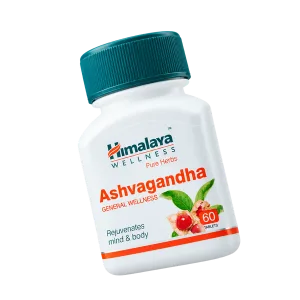
Ashwagandha
Active ingredient: Ashwagandha

Ashwagandha

Quality products
24/7 Support
Fast delivery
Delivery from 4 days
Select pack Package Per unit Price

Free delivery on orders from AED 860.00, free express delivery from AED 1,290.00

Secure Payments
Track your order
Best price guarantee

Ashwagandha is an herbal supplement for adults seeking general wellness support. Its adaptogenic plant compounds may help support calmer mood, restorative sleep, and daily resilience by influencing stress-related body systems.

Product information

Ashwagandha supports the body’s response to stress and may help promote calmer mood, restorative sleep, and daily resilience. This herbal supplement is intended for adults seeking general wellness support, with benefits linked to its adaptogenic plant compounds and their influence on stress-related body systems.

Dosage and administration

The amount per intake is set individually for each person rather than being one fixed number.

The serving approach for this bottle should follow the product’s stated directions and the individual plan selected for the user.

Practical administration points include:

  • Use the product by mouth.
  • Take each serving at a consistent time.
  • Take it with food if it causes stomach discomfort.
  • Avoid taking extra servings to compensate for a delayed response.
  • Keep a record of sleep, stress, digestion, and daytime energy during the first few weeks.
  • If a serving is missed, resume the regular schedule rather than doubling the next intake.

A higher amount does not guarantee a stronger benefit. Concentrated extracts can also produce more unwanted effects than milder preparations.

Dosage Individualisation

There is no single fixed amount per intake that suits every person. Individual considerations include the extract type, age, body size, reason for use, other supplements, prescription medicines, thyroid function, blood pressure, blood glucose, and sensitivity to sedating effects.

Do not judge the product after one night. Sleep and stress responses are easier to assess when the same routine is followed for several days while caffeine, alcohol, and bedtime patterns remain reasonably stable.

Ingredients

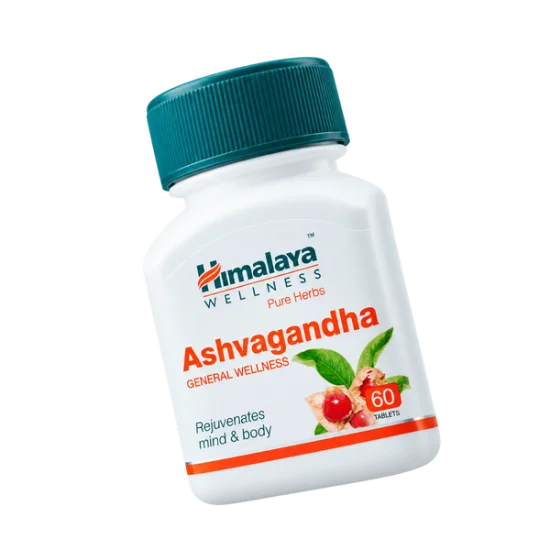
Ashwagandha is supplied here in bottles. The product information identifies Ashwagandha as the active botanical and indicates a pack count of 60 units. Ashwagandha supplements may be prepared as capsules, tablets, powders, or liquid extracts. These forms are not interchangeable because concentration, extraction method, and withanolide content can differ.

How it affects the body

Stress activates the hypothalamic–pituitary–adrenal axis, commonly called the HPA axis. This system connects the brain, pituitary gland, and adrenal glands. When the body perceives ongoing stress, the pathway increases the release of cortisol and other stress-related signals. Stress signals can also affect appetite and concentration. These effects vary among individuals.

Ashwagandha may influence this response through its withanolides and related botanical compounds. Clinical research has reported reductions in perceived stress and serum cortisol in some adults using concentrated preparations, though study products and doses have differed [2].

Cortisol is not harmful by itself. It helps regulate blood pressure, glucose availability, immune activity, and the sleep–wake cycle. The concern arises when stress signalling remains elevated or poorly timed for long periods.

Ashwagandha is not a sedative in the same pharmacological class as prescription sleep medicines. Its proposed action is broader and may involve stress response, mood, sleep quality, and physical resilience. The biochemical evidence remains developing. Results from one ashwagandha extract cannot automatically be transferred to every product containing the plant.

Role as an Adaptogenic Herbal Supplement

The term adaptogen describes a plant preparation traditionally used to help the body respond to physical or psychological stress. Ashwagandha contains naturally occurring withanolides and other plant constituents that have been studied for effects on stress-related pathways.

Therapeutic indications

Ashwagandha belongs to the herbal supplements category and is traditionally used for stress management, mental balance, sleep support, and physical stamina. The product is supplied in bottles and is associated with general wellness and mind–body rejuvenation.

Evidence from small clinical studies suggests that standardized ashwagandha preparations may reduce perceived stress and support lower cortisol levels in some adults [1]. The response varies with the extract, amount used, treatment duration, sleep pattern, and existing health conditions.

Potential areas of support include:

  • Stress management during demanding work, study, or family periods
  • Relaxation when stress contributes to restlessness
  • Sleep support for occasional difficulty settling at night
  • General energy and stamina
  • Recovery after regular physical activity
  • Cognitive balance during periods of mental fatigue

Ashwagandha should be viewed as supportive care rather than a treatment for a diagnosed anxiety disorder, major depression, chronic insomnia, or another medical condition.

The product’s stated purpose is general wellness. Its effects are usually gradual rather than immediate, and some people may experience relaxation while others notice changes in sleep, energy, or perceived stress first.

Take the planned serving at a consistent time each day. A simple routine makes it easier to notice whether sleep, tension, or energy changes over several weeks.

Common mistakes

Several habits can make the response difficult to judge or increase unwanted effects:

  • Starting ashwagandha while also beginning multiple new supplements
  • Taking extra servings because the first few days produced no obvious change
  • Combining it with alcohol or prescription sedatives
  • Ignoring new palpitations, tremor, heat intolerance, or marked anxiety
  • Continuing it despite yellowing skin, dark urine, or severe itching
  • Using it to manage persistent fatigue without checking thyroid, iron, sleep, or mood causes
  • Forgetting to mention it before blood tests or surgery
  • Taking it at night despite morning drowsiness
  • Expecting it to correct poor sleep while maintaining late caffeine and irregular bedtimes

The simplest evaluation method is to change one factor at a time and record sleep, stress, digestion, and alertness. This reduces the chance of attributing every improvement or complaint to Ashwagandha.

When not to use it

Avoid it or obtain a specific clinical assessment before use in the following situations:

  • Pregnancy
  • Breastfeeding
  • Known allergy to ashwagandha or related botanical ingredients
  • Hyperthyroidism or uncontrolled thyroid disease
  • Autoimmune disease
  • Liver disease or a previous unexplained liver reaction
  • Planned surgery
  • Use of immunosuppressive medicines
  • Use of thyroid hormone treatment
  • Use of medicines for diabetes or high blood pressure
  • Use of sedatives, sleep medicines, or other substances that cause drowsiness

Interactions may involve additive sedation, lower blood pressure, lower blood glucose, altered thyroid activity, or changes in immune response. Alcohol can intensify drowsiness and may make sleep quality worse even when it helps a person fall asleep.

When this is not for you

NOT for you if: you are pregnant or breastfeeding, have thyroid or liver disease, have an autoimmune condition, or take medicines that affect sedation, blood pressure, blood glucose, thyroid function, or immune activity.

Possible side effects

Ashwagandha is tolerated by many adults, but adverse effects can occur. The most common complaints involve the digestive system or changes in alertness.

Possible effects include:

  • Stomach discomfort
  • Nausea
  • Loose stools
  • Abdominal cramps
  • Headache
  • Drowsiness
  • Restlessness or sleep disruption
  • Skin rash or other allergic symptoms

Liver injury has been reported rarely with some ashwagandha products. Stop using it and seek urgent medical assessment if jaundice, dark urine, pale stools, severe itching, unusual weakness, persistent vomiting, or pain under the right ribs develops.

Thyroid effects also deserve attention. Ashwagandha may alter thyroid hormone measurements or thyroid activity in susceptible individuals. This is relevant to people with hyperthyroidism, thyroiditis, or thyroid medicine use.

One detail users often miss is that a supplement can affect laboratory results without producing obvious symptoms. Tell the clinician ordering thyroid, liver, glucose, or hormone tests that you use ashwagandha.

Comparison

Ashwagandha fits within botanical stress-support approaches. The most useful comparison is with other broad approaches rather than with a named commercial product.

Approach Main focus Key limitation
Ashwagandha herbal supplement Stress response, relaxation, sleep support, general wellness Effects vary by preparation and individual response
Sleep-focused supplement Bedtime relaxation or sleep routine support May not address daytime stress drivers
Prescription treatment for anxiety or insomnia Diagnosed conditions requiring clinical management Requires medical assessment and may cause medicine-specific adverse effects

Ashwagandha may be reasonable for adults seeking general stress and wellness support. It is less suitable as the sole approach when symptoms are severe, persistent, or linked with panic attacks, suicidal thoughts, mania, marked weight change, or major changes in thyroid function.

Prescription treatment works through defined pharmacological targets and may be necessary for diagnosed illness. Ashwagandha has a broader botanical profile, so its effects can be less predictable. That trade-off should be clear before use.

What doctors say

Clinicians generally assess the reason for use before discussing an adaptogenic supplement. Stress-related tiredness, short-term sleep disruption, and general wellness are different from panic disorder, major depression, thyroid disease, sleep apnoea, or liver disease.

A doctor may also ask about caffeine, alcohol, exercise load, menstrual or reproductive status, prescription medicines, and recent blood tests. Those details can change whether ashwagandha is appropriate.

The practical expectation is modest. Some adults report calmer evenings or easier sleep after regular use, while others notice no meaningful difference. A supplement should not delay assessment when symptoms are intense, worsening, or accompanied by physical warning signs.

A clinician may recommend stopping the product before planned surgery because herbal supplements can affect sedation, blood pressure, or other perioperative factors. The European Medicines Agency provides broader guidance on assessing herbal medicinal products according to their preparation and evidence base [3].

Comparison

Ashwagandha Current

Active ingredient: Ashwagandha
60caps
From AED 430.00
bottles
3.4 (5)

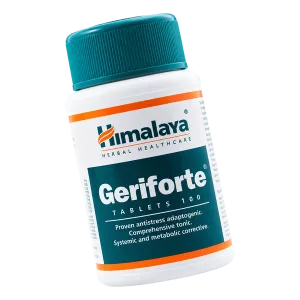
Geriforte

Active ingredient: Geriforte
100tabs
From AED 387.00
bottles
3.9 (4)

Comparison table: Stress Relief

Common questions

What happens after stopping Ashwagandha, and does it need tapering?

Ashwagandha is not generally managed like a medicine that requires a formal tapering schedule. The National Center for Complementary and Integrative Health’s 2024 herbal-supplement information supports stopping a supplement when adverse symptoms appear rather than continuing through them. Benefits such as perceived relaxation or sleep support may gradually fade, while some people notice no change after stopping.

What should be checked or discussed with a doctor before starting?

Discuss thyroid disease, autoimmune conditions, liver problems, pregnancy plans, breastfeeding, surgery, and all medicines that affect blood pressure, blood glucose, immune activity, or sedation. The EMA’s herbal-medicine framework from 2018 supports evaluating the exact preparation, intended use, and individual risk factors. Mention Ashwagandha before relevant blood tests because thyroid and liver results may need careful interpretation.

Which diet, exercise, or habits can help or hinder the result?

Regular sleep, balanced meals, adequate hydration, moderate exercise, and controlled caffeine intake can support the same goals as an ashwagandha routine. The American College of Lifestyle Medicine’s 2023 guidance on lifestyle care emphasises that supplements do not replace sleep, nutrition, movement, or stress-reduction habits. Alcohol, late caffeine, irregular bedtimes, and excessive training may make sleep and fatigue harder to improve.

Which condition rules Ashwagandha out?

Known hyperthyroidism is a clear reason to avoid self-directed use because Ashwagandha may influence thyroid activity. The American Thyroid Association’s 2022 clinical information supports careful evaluation of supplements that may affect thyroid hormone status. People with liver disease, autoimmune illness, or thyroid treatment also need a specific assessment before considering this product.

Is Ashwagandha suitable during pregnancy or breastfeeding?

Avoid Ashwagandha during pregnancy and breastfeeding unless a qualified clinician who knows the person’s medical history specifically recommends it. The WHO’s 2009 medicinal-plant reference describes the need for caution with medicinal herbs when reproductive safety evidence is limited. Safety for a developing baby or breastfed infant cannot be assumed from adult wellness studies.

Which symptoms mean stopping Ashwagandha and seeking urgent medical help?

Stop using it and seek urgent medical care for yellow skin or eyes, dark urine, severe vomiting, facial swelling, breathing difficulty, fainting, chest pain, severe palpitations, confusion, or extreme drowsiness. The FDA’s 2024 safety information on dietary supplements supports prompt assessment for severe allergic symptoms and possible liver-related warning signs. New tremor, heat intolerance, marked agitation, or rapid heartbeat also warrants medical review because thyroid activity may be involved.

Do you offer anonymous delivery?

Your order will be securely packed and shipped within 24 hours. This is exactly what your package will look like (images of an actual item sent). It has the size and look of a regular private letter (24x11x0.7 cm) and its contents cannot be seen.

Energy, Stamina, and Recovery

Ashwagandha is also used in wellness routines focused on energy, stamina, exercise tolerance, and recovery. Research in physically active adults has explored strength, cardiorespiratory performance, and perceived recovery, but results depend on the extract and study design.

The proposed benefits may involve stress regulation, sleep quality, perceived exertion, and adaptation to training. Ashwagandha does not replace sufficient calories, protein, hydration, rest days, or treatment for anaemia, thyroid disease, infection, or other causes of persistent fatigue.

For general wellness, a reasonable routine includes:

  • Regular meals with adequate protein and fibre
  • Hydration before and after exercise
  • Consistent sleep and waking times
  • Gradual training progression
  • Rest between demanding sessions
  • Limited alcohol, especially when sleep is poor

If fatigue persists despite sleep and nutrition, a medical review is more useful than increasing the supplement amount.

Track exercise performance separately from mood. Feeling calmer does not always mean strength has increased, and a stronger workout does not prove that the supplement caused the change.

Reviews: Ashwagandha

3.4
Based on 5 reviews
Daniel L., 55 Al Dhaid About three weeks
Verified
Rating: 4 out of 5

I noticed less evening tension and fell asleep more easily on work nights. The first few days gave me mild stomach discomfort, so taking it with dinner suited me better.

6 Oct 2026
Ayesha, 39 Khalifa City Roughly a month
Verified
Rating: 3.5 out of 5

After roughly a month, I felt less overwhelmed in the afternoon. It did not remove my anxiety, and I still needed to change my caffeine routine.

15 Oct 2026
Mark, 45 Deira Two weeks
Verified
Rating: 2 out of 5

I used it for two weeks but became more alert at bedtime instead of relaxed. I stopped, and the sleep disruption settled after several nights.

21 Oct 2026
Hessa, 33 Bur Dubai Several weeks
Verified
Rating: 3.5 out of 5

My recovery felt easier after several weeks, especially when I slept properly. I could not tell whether the change came from Ashwagandha or from improving my training schedule.

27 Oct 2026
Faisal, 39 Al Reem Island A busy month
Verified
Rating: 4 out of 5

I did not notice a dramatic difference, but I felt calmer during a busy month. I would not increase the amount without reviewing it because I take medicine for blood pressure.

3 Nov 2026

Sources

  1. Medicine (Baltimore) (2019). An investigation into the stress-relieving and pharmacological actions of an ashwagandha (Withania somnifera) extract
  2. Journal of Alternative and Complementary Medicine (2014). An alternative treatment for anxiety: a systematic review of human trial results reported for the Ayurvedic herb ashwagandha (Withania somnifera)
  3. European Medicines Agency (2018). Guideline on quality of herbal medicinal products and traditional herbal medicinal products
Get our free app Shop faster and track your orders 3.9 · 576 reviews Install