My endocrinologist started treatment after repeated low calcium results. Tingling improved gradually, but I needed another blood test before the dose was changed. I had mild constipation during the first week.
Rocaltrol contains calcitriol, the active form of vitamin D. It is prescribed for people whose normal vitamin D activation is impaired and helps regulate calcium and phosphate balance.
Product information
Patients with chronic kidney disease, hypocalcaemia, hypoparathyroidism, or selected metabolic bone disorders may be prescribed Rocaltrol.
Dosage and administration
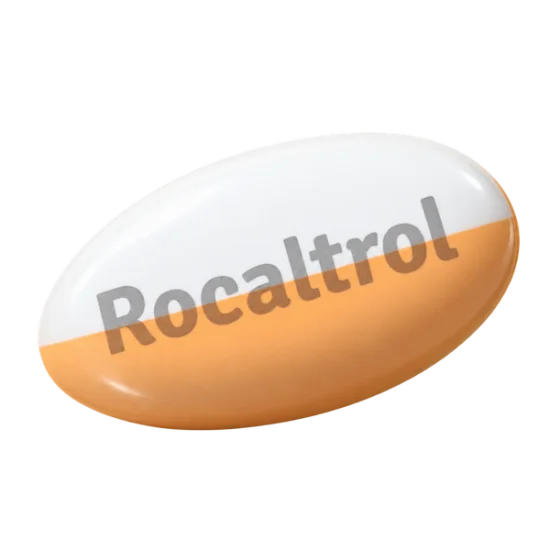
Rocaltrol is supplied as oral capsules. The prescribed strength and regimen depend on the diagnosis, age, kidney function, calcium concentration, phosphate concentration, parathyroid hormone level, and response to treatment.
The regimen for the chosen strength must be confirmed with a healthcare professional before starting.
Take the prescribed capsule by mouth at the scheduled time. Swallow it with water. Do not open, crush, or chew the capsule unless a prescriber has given a specific alternative instruction.
Treatment may be adjusted after laboratory testing rather than by symptoms alone. A person can develop high calcium before recognising clear physical symptoms.
Adult and paediatric dosing parameters
Adults with renal bone disease may require a carefully titrated daily regimen. People with hypoparathyroidism may need a different schedule because the underlying problem is reduced parathyroid hormone activity rather than loss of kidney function.
Children require weight-based prescribing and closer monitoring. A paediatric dose must not be estimated by dividing an adult dose. Age, body weight, renal function, calcium intake, and the reason for treatment all influence the prescribed amount.
Clinical monitoring can include:
- Serum calcium
- Serum phosphate
- Serum creatinine and blood urea nitrogen
- Alkaline phosphatase
- Parathyroid hormone
- Urinary calcium when clinically indicated
If a dose is missed, take it when remembered unless the next scheduled dose is near. Do not double the amount to compensate. Repeated missed doses should be discussed because irregular use can make calcium control harder to assess.
Ingredients
Rocaltrol contains calcitriol, the active form of vitamin D. It is supplied as oral capsules and supports intestinal calcium absorption while helping regulate calcium, phosphate, bone mineralisation, and parathyroid hormone activity. Rocaltrol is used under medical supervision when normal vitamin D activation or calcium balance is impaired.
How it affects the body
Calcitriol is the biologically active metabolite of vitamin D3. Unlike nutritional vitamin D, it does not need the final kidney-dependent activation step before acting on vitamin D receptors.
After oral administration, calcitriol binds to vitamin D receptors in the intestine, bone, kidneys, and parathyroid tissue. These receptors influence gene activity involved in calcium transport, phosphate handling, and bone metabolism.
The principal actions include:
- Increasing intestinal absorption of calcium
- Supporting intestinal phosphate absorption
- Helping provide minerals required for bone mineralisation
- Suppressing excessive parathyroid hormone production when calcium balance improves
- Supporting calcium regulation in patients with impaired renal vitamin D activation
Calcitriol is not simply a calcium supplement. Its main role is to alter the body’s handling of calcium and phosphate.
Active metabolite pathway
Vitamin D normally undergoes conversion in the liver and then the kidneys. The kidney converts 25-hydroxyvitamin D into calcitriol through the enzyme 1-alpha-hydroxylase. Chronic kidney disease can reduce this enzyme activity.
Rocaltrol supplies calcitriol directly. This explains why it may be selected for renal osteodystrophy or dialysis-associated hypocalcaemia when ordinary vitamin D conversion is inadequate.
Pharmacokinetic elimination profile
Calcitriol has a relatively short biological half-life compared with storage forms of vitamin D. Its calcium-regulating effects can appear and decline more quickly than those of long-lasting vitamin D metabolites.
This shorter profile can help clinicians adjust treatment in response to changing laboratory results. It also means that excessive dosing may produce clinically relevant hypercalcaemia within a short period, especially when calcium supplements or other vitamin D products are used at the same time. The United States prescribing information describes calcitriol’s pharmacology, monitoring requirements, and toxicity profile [2].
Therapeutic indications
Rocaltrol capsules are used under medical supervision when the body cannot maintain calcium balance through normal vitamin D metabolism. The active substance, calcitriol, supports intestinal calcium absorption and helps regulate bone mineralisation and parathyroid hormone activity.
Calcitriol may be prescribed for:
- Hypocalcaemia associated with chronic renal dialysis
- Renal osteodystrophy caused by advanced kidney disease
- Hypoparathyroidism
- Osteomalacia and rickets linked to impaired vitamin D metabolism
- Selected cases of osteoporosis when calcium and vitamin D regulation require medical treatment
Rocaltrol does not treat every form of low calcium. The cause must be identified through laboratory testing, kidney assessment, parathyroid evaluation, and review of calcium and phosphate intake.
Management of renal bone disease and hypocalcaemia
Healthy kidneys convert vitamin D into calcitriol. Chronic kidney disease reduces this activation step. As calcitriol production falls, intestinal calcium absorption may decline, phosphate regulation may change, and parathyroid hormone can rise. These changes contribute to renal osteodystrophy, bone pain, muscle weakness, and hypocalcaemia. Laboratory monitoring helps guide treatment and detect worsening mineral imbalance.
People receiving chronic renal dialysis may need calcitriol because the kidneys cannot produce enough active vitamin D. Treatment requires repeated monitoring of serum calcium, phosphate, alkaline phosphatase, and parathyroid hormone. The Kidney Disease: Improving Global Outcomes guideline links vitamin D pathway treatment with careful management of chronic kidney disease–mineral and bone disorder [1], and National Institute for Health and Care Excellence (NICE) guidance also supports individualized monitoring.
Treatment of parathyroid and metabolic bone disorders
Hypoparathyroidism can cause insufficient parathyroid hormone activity and low serum calcium. Calcitriol helps the intestine absorb more calcium, which can support correction of the biochemical imbalance when prescribed with an appropriate calcium plan.
Osteomalacia and rickets involve defective bone mineralisation. Treatment depends on the underlying cause, which may include vitamin D metabolism problems, kidney disease, malabsorption, or nutritional deficiency.
Idiopathic hypercalcaemia is not an indication for Rocaltrol. Existing hypercalcaemia makes calcitriol unsuitable until the cause has been assessed and calcium levels have been controlled.

Common mistakes
Several avoidable errors make calcitriol treatment harder to manage:
- Taking an over-the-counter vitamin D product without reporting it
- Adding calcium carbonate for heartburn without including it in the calcium total
- Doubling the next dose after a missed capsule
- Stopping the medicine before follow-up blood tests
- Using a previous dose after kidney function or dialysis treatment changes
- Assuming constipation is unrelated to calcium levels
- Taking cholestyramine or colestipol at the same time without reviewing absorption
- Treating a prescribed paediatric regimen as if it were an adult regimen
One detail patients often miss is that antacids may contain calcium or magnesium. The product name on the front of an antacid does not always make its mineral content obvious, so the active ingredients should be discussed before regular use.
Another frequent mistake is changing diet dramatically while the dose remains unchanged. Large increases in calcium-fortified foods or supplements can alter the treatment response.
When not to use it
Rocaltrol is not suitable for people with hypercalcaemia or evidence of vitamin D toxicity. Calcitriol increases calcium absorption, so taking it while calcium is already high can worsen the imbalance.
- Current hypercalcaemia
- Proven vitamin D toxicity
- Serious reaction to calcitriol or a capsule ingredient
When this is not for you
This treatment is not for you if:
- You have current hypercalcaemia
- You have proven vitamin D toxicity
- You have had a serious reaction to calcitriol or a capsule ingredient
- You are taking several vitamin D products without a coordinated treatment plan
- You cannot complete the blood-test monitoring required for dose adjustment
People with kidney stones, nephrocalcinosis, severe renal impairment, sarcoidosis, or other conditions affecting calcium metabolism may need closer supervision. Pregnancy requires an individual risk assessment. Breastfeeding also requires a specific plan because active vitamin D and calcium changes may affect the nursing infant.
The EMA product information for calcitriol-containing medicines highlights the need for specialist assessment in pregnancy and lactation [3].
Possible side effects
Side effects are often related to excessive calcium activity rather than a direct irritant effect of the capsule. The risk rises when calcitriol is combined with unnecessary calcium, another vitamin D analogue, or medicines that reduce calcium excretion.
Possible effects include:
- Abdominal pain
- Constipation
- Nausea
- Headache
- Weakness
- Apathy or unusual loss of interest
- Drowsiness
- Increased thirst or frequent urination
- Raised blood urea nitrogen and creatinine
- Cardiac arrhythmia in severe calcium disturbance
Early hypercalcaemia can resemble an ordinary stomach illness. Nausea, constipation, weakness, headache, sleepiness, thirst, or increased urination deserve prompt medical review when they occur during calcitriol treatment.
Longer exposure to excessive calcium can contribute to nephrocalcinosis, reduced kidney function, and metastatic calcification. A cardiac arrhythmia is a medical warning sign, especially if it occurs with weakness, confusion, faintness, or palpitations.
The FDA prescribing information identifies hypercalcaemia as the main toxicity concern and recommends reducing or interrupting treatment when calcium rises beyond the intended range .
Patients receiving dialysis may notice symptoms differently because fluid balance and kidney function are already altered. New confusion, worsening weakness, reduced urine output, or irregular heartbeat requires urgent clinical assessment.
Comparison
Rocaltrol provides calcitriol in an oral capsule, whereas vitamin D approaches that require normal activation depend more on the body's ability to convert vitamin D. This distinction is relevant when kidney disease or another condition impairs vitamin D metabolism.
What doctors say
In clinical practice, physicians usually treat Rocaltrol as a laboratory-guided medicine. Symptoms alone cannot show whether the dose is sufficient, because calcium, phosphate, and parathyroid hormone may change before the patient feels different.
A renal physician may focus on dialysis status, phosphate control, parathyroid hormone, and bone-mineral disease. An endocrinologist may focus on parathyroid function, calcium symptoms, urinary calcium, and the cause of the mineral imbalance.
Three practical points guide prescribing:
- Dose changes should follow planned calcium and renal monitoring.
- Additional vitamin D products should not be added casually.
- The target is controlled mineral balance, not the highest possible calcium level.
A patient can feel well while calcium is rising. That is why scheduled tests remain part of treatment, even after symptoms improve.
Common questions
Can Rocaltrol be combined with calcium supplements or other vitamin D products?
Calcium carbonate and other calcium products may be used with calcitriol in selected treatment plans, but the combined amount requires monitoring. Additional vitamin D products can increase vitamin D activity and calcium absorption. The FDA prescribing information (2019) warns that excessive calcium or vitamin D exposure raises the risk of hypercalcaemia. A clinician should review supplements, antacids, phosphate binders, and fortified products before combination treatment begins.
How long does a Rocaltrol course last, and is long-term use acceptable?
Treatment duration depends on the underlying condition, kidney function, calcium results, and parathyroid hormone response. Some patients require extended treatment, while others need temporary therapy during correction of a defined mineral imbalance. Long-term use can be acceptable when laboratory monitoring confirms that calcium and phosphate remain controlled. The KDIGO CKD-MBD guidance (2017) supports repeated reassessment rather than an automatic fixed-duration course.
Can Rocaltrol be used during pregnancy or breastfeeding?
Pregnancy requires an individual decision based on the mother’s calcium disorder and the potential fetal risks of abnormal calcium levels. Breastfeeding also requires review because calcitriol-related calcium changes may affect the infant. The EMA product information for calcitriol medicines (2021) recommends specialist evaluation before treatment is continued during pregnancy or lactation. Do not start, stop, or change the dose during either period without a treatment decision that includes calcium monitoring.
What is the best time of day to take Rocaltrol?
Take the capsule at the time prescribed, using the same routine each day when daily treatment is ordered. Calcitriol does not require a special morning-only schedule, but a consistent time helps prevent missed doses and makes laboratory interpretation easier. If cholestyramine or colestipol is also prescribed, administration may need to be separated because these medicines can reduce absorption. The FDA prescribing information (2019) should be reviewed with the prescribing clinician or pharmacist when setting timing for the complete regimen.
Does Rocaltrol affect driving, concentration, or work with machinery?
Calcitriol does not usually act as a sedative, but hypercalcaemia can cause weakness, drowsiness, headache, confusion, or reduced concentration. These symptoms can make driving or machinery work unsafe. The FDA label (2019) describes neurological symptoms among possible manifestations of excessive calcium exposure. Stop the task and seek prompt clinical advice if new drowsiness, confusion, severe weakness, or palpitations develops.
What should be done after a missed Rocaltrol dose?
Take the missed capsule when remembered unless the next scheduled dose is close. Skip the missed dose when taking both would place the doses too near together. Never double the next capsule to compensate. If several doses are missed, contact the prescribing team because the next calcium test and dose assessment may need to be interpreted differently; the WHO guidance on essential medicines (2021) stresses continuity and monitoring for medicines affecting mineral metabolism.
Do you offer anonymous delivery?
Your order will be securely packed and shipped within 24 hours. This is exactly what your package will look like (images of an actual item sent). It has the size and look of a regular private letter (24x11x0.7 cm) and its contents cannot be seen.
Reviews: Rocaltrol
The treatment fitted into my dialysis routine. I felt less muscle weakness after several weeks, although the improvement was not immediate. I stopped taking a separate vitamin D supplement after the clinic reviewed everything I was using.
The capsules were easy to take, and my calcium results became more stable. I experienced thirst and frequent urination when the dose was increased, so the clinic repeated the tests and adjusted the plan.
My parathyroid condition required several adjustments. The medicine helped control the calcium results, but I still needed regular appointments and dietary guidance. Missing doses made the next laboratory result harder to interpret.
Sources
- Kidney Disease: Improving Global Outcomes (KDIGO) (2017). KDIGO 2017 Clinical Practice Guideline Update for the Diagnosis, Evaluation, Prevention, and Treatment of Chronic Kidney Disease–Mineral and Bone Disorder (CKD-MBD)
- U.S. Food and Drug Administration (FDA) (2019). Rocaltrol (calcitriol) Capsules — Prescribing Information
- European Medicines Agency (EMA) (2021). Summary of Product Characteristics (SmPC) — calcitriol