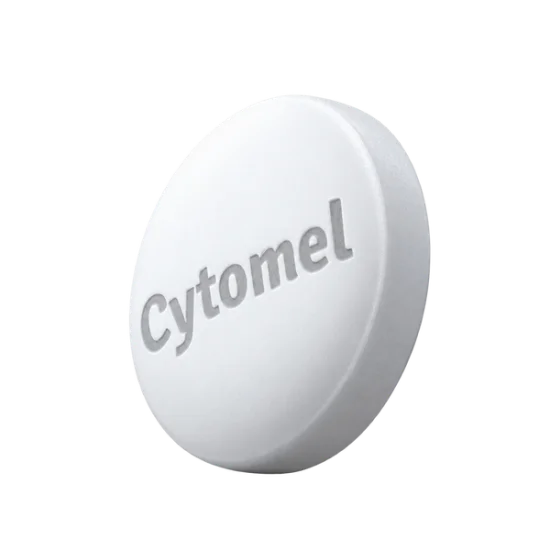
I used Cytomel under endocrine follow-up after my blood tests showed low thyroid activity. During the first weeks, I noticed less brain fog and stopped needing afternoon naps. Taking it at the same time each morning made a bigger difference than I expected.
Cytomel is used when a clinician determines that T3 treatment is appropriate for thyroid-hormone replacement. Its active ingredient acts directly in body tissues to help regulate energy use, temperature control, heart function, and protein turnover.
Product information
Liothyronine sodium, the active ingredient of Cytomel, is a synthetic form of triiodothyronine (T3), the thyroid hormone that acts directly in body tissues. Cytomel tablets are used as thyroid-hormone replacement when a clinician determines that T3 treatment is appropriate, helping regulate energy use, temperature control, heart function, and protein turnover. Its action is faster and more potent than levothyroxine on a microgram-for-microgram basis. [1]
Dosage and administration
Tablet formulation and treatment individualisation
Cytomel is supplied as oral tablets. The amount used and the dosing frequency depend on the treatment purpose, thyroid blood tests, age, cardiac health, other medicines, and the person’s clinical response.
Liothyronine has a shorter duration of action than levothyroxine. For that reason, clinicians may use divided daily administration in some situations rather than relying on a single large dose. Changes should be deliberate and medically supervised because the pituitary-thyroid feedback system needs time to respond.
A thyroid-stimulating hormone (TSH) result alone does not always tell the full story soon after liothyronine is started or adjusted. Free T3, free T4, symptoms, pulse rate, and treatment timing can all affect interpretation. The American Thyroid Association advises against routine use of liothyronine as standard replacement for most people with primary hypothyroidism, since levothyroxine remains the usual first-line approach. [2]
Administration and monitoring principles
Take Cytomel tablets by mouth at the schedule agreed with the prescribing clinician. The amount used and how often it is taken depend on the reason for treatment and are agreed with a doctor or pharmacist.
- Take doses at a consistent time.
- Swallow the tablet with water.
- Keep iron, calcium, antacids containing aluminium or magnesium, and bile-acid sequestrants separated from thyroid hormone doses, since they can reduce absorption.
- Do not double a missed dose.
- If a dose is missed, take the next planned dose at the usual time unless individual instructions say otherwise.
- Blood tests and symptom review guide treatment changes.
A common mistake is adjusting thyroid hormone because of a single tired day, a gym-performance plateau, or a temporary weight change. Thyroid treatment is assessed through trends, not one isolated symptom. Another frequent problem is taking supplements containing biotin before thyroid testing; biotin can interfere with certain laboratory assays and create misleading results.
Ingredients
Cytomel contains liothyronine sodium, commonly called T3. T3 is the biologically active thyroid hormone: it enters cells and changes the expression of genes involved in energy production, oxygen consumption, lipid metabolism, and normal growth.
How it affects the body
T3 is the biologically active thyroid hormone: it enters cells and changes the expression of genes involved in energy production, oxygen consumption, lipid metabolism, and normal growth.
The body normally produces mostly thyroxine (T4), then converts part of it into T3 in peripheral tissues such as the liver, kidneys, skeletal muscle, and brain. Liothyronine bypasses that conversion step.
Cellular interaction and metabolic regulation
T3 binds to thyroid hormone receptors inside the cell nucleus. These receptors influence transcription, meaning they help determine which proteins the cell produces. The result is increased basal metabolic activity: cells use more oxygen and generate more energy.
This action reaches many organ systems:
- Heart: T3 increases heart rate, contractility, and sensitivity to adrenaline-like signals.
- Muscle: T3 affects protein turnover and can contribute to weakness or muscle loss when thyroid hormone exposure is excessive.
- Liver and fat tissue: T3 changes carbohydrate and lipid metabolism, increasing energy expenditure.
- Brain and nerves: Normal thyroid hormone signalling supports concentration, mood, reflexes, and temperature perception.
- Gut: Excess thyroid hormone can speed intestinal movement and lead to loose stools.
Therapeutic indications
Cytomel is used in selected forms of hypothyroidism and in specific endocrine settings directed by a clinician. It is not a general energy enhancer or a routine treatment for tiredness when thyroid tests are normal.
Common mistakes
Taking Cytomel inconsistently is a frequent cause of unstable symptoms. A tablet taken early one day and late the next can make the person feel as if the treatment is unpredictable.
Another mistake is treating palpitations as a reason to reduce food intake or add more exercise. Those symptoms need clinical assessment because they may reflect excess thyroid hormone exposure.
People also sometimes stop treatment abruptly after feeling overstimulated. Sudden changes can create avoidable swings in symptoms. The safer approach is to report the symptoms and arrange a treatment review.
Using Cytomel for fat loss without hypothyroidism is the most serious misconception. It exposes the thyroid axis, heart, bones, and muscle tissue to risk without treating an endocrine deficiency.
When not to use it
Cytomel is not for you if you have untreated thyrotoxicosis or uncorrected adrenal insufficiency. It should also be avoided where liothyronine or a tablet component has previously caused a hypersensitivity reaction.
- coronary artery disease, angina, heart failure, or an existing arrhythmia;
- uncontrolled high blood pressure;
- osteoporosis or a high fracture risk;
- diabetes, because thyroid hormone can alter glucose-control needs;
- use of anticoagulants such as warfarin, since thyroid hormone can change anticoagulant response;
- use of insulin or glucose-lowering medicines;
- use of sympathomimetic medicines, since the combination may intensify cardiovascular effects;
- seizure disorders or severe anxiety where stimulant-like symptoms could be difficult to tolerate.
Liothyronine can interact with medicines that affect absorption, metabolism, or cardiac rhythm. Cholestyramine, colestipol, iron salts, calcium preparations, and some antacids can reduce thyroid hormone absorption. Enzyme-inducing medicines may alter thyroid hormone requirements.
When this is not for you
Cytomel may not be suitable if you have untreated overactive thyroid disease, untreated adrenal insufficiency, or an allergy to liothyronine or one of the tablet ingredients. Tell your clinician if you have heart disease, high blood pressure, osteoporosis, diabetes, seizures, severe anxiety, or an irregular heartbeat. Your medicines may also need review if you take warfarin, insulin, glucose-lowering treatment, stimulants, iron, calcium, antacids, or medicines that affect thyroid hormone levels.
Possible side effects
The main risk with Cytomel is over-replacement, producing iatrogenic thyrotoxicosis: an excessive thyroid-hormone state caused by treatment. Symptoms can include palpitations, rapid pulse, chest discomfort, tremor, sweating, anxiety, headache, insomnia, diarrhoea, nausea, menstrual changes, and weight loss.
Some effects appear early, while others build gradually. Older adults and people with coronary artery disease may experience angina, atrial fibrillation, or worsening heart failure if thyroid hormone is introduced too aggressively.
Longer exposure to excessive thyroid hormone can reduce bone mineral density, with greater concern after menopause. Persistent excess may also lead to proximal muscle weakness, reduced exercise tolerance, and emotional volatility. NICE guidance highlights the importance of avoiding thyroid hormone over-treatment and monitoring symptoms alongside laboratory findings. [3]
Seek urgent medical assessment for chest pain, fainting, severe shortness of breath, a sustained very rapid heartbeat, or a new irregular heartbeat.
Comparison
Comparison with beta-agonist stimulants
Liothyronine and beta-agonist stimulants affect metabolism through different pathways. Neither approach is appropriate for non-medical fat loss, and combining metabolic stimulants can increase cardiovascular stress.
| Feature | Cytomel (liothyronine/T3) | Clenbuterol |
|---|---|---|
| Drug class | Thyroid hormone | Beta-2 adrenergic agonist |
| Primary mechanism | Activates thyroid hormone receptors and alters gene expression | Stimulates adrenergic receptors, increasing sympathetic activity |
| Main concern | Thyrotoxicosis, rhythm disturbance, thyroid-axis suppression | Tremor, palpitations, anxiety, potassium imbalance |
Liothyronine acts through nuclear thyroid receptors and has effects that develop across many tissues. Clenbuterol acts more directly on adrenergic pathways, often causing shakiness and rapid heartbeat. The mechanisms differ, yet both can place pressure on the cardiovascular system.
For hypothyroidism, treatment aims to restore normal hormone physiology. Stimulant-based approaches do not replace missing thyroid hormone and do not address the cause of hypothyroidism.
What doctors say
In endocrine practice, Cytomel is treated as a precise hormone replacement tool rather than a wellness supplement. A clinician will usually look for a clear indication, baseline thyroid results, cardiovascular risk, and a reason why T3 is being considered instead of standard T4 replacement.
The expected benefit is correction of symptoms caused by documented thyroid hormone deficiency. A faster pulse, insomnia, or pronounced sweating are not acceptable trade-offs for more energy. Stable dosing and follow-up testing matter because liothyronine reaches tissues quickly while the body’s feedback signals may take longer to settle.
The World Health Organization identifies thyroid disorders as conditions requiring accurate diagnosis and appropriate access to essential endocrine care, and the European Thyroid Association supports structured endocrine evaluation. Symptoms such as fatigue, weight change, and low mood have many possible causes, so thyroid hormone should be matched to biochemical evidence rather than symptoms alone. [4]
Common questions
Can Cytomel be combined with calcium, iron, or multivitamin supplements?
Calcium and iron supplements can reduce the absorption of liothyronine when taken close together. Antacids containing aluminium or magnesium and bile-acid sequestrants can have a similar effect. The FDA's 2022 prescribing information advises separating these products from thyroid hormone treatment according to clinician guidance. Keep a consistent routine so thyroid blood results can be interpreted properly. A written dosing plan can help prevent unsupervised changes.
How soon does Cytomel become noticeable?
Liothyronine is absorbed relatively quickly, and some people notice changes in energy, bowel activity, pulse, or temperature sensation within days. Improvement in hypothyroid symptoms may take longer because symptoms can have several causes and the body needs time to stabilise. The American Thyroid Association’s 2014 guideline emphasises clinical review and laboratory monitoring rather than judging treatment from immediate sensations alone. New palpitations or insomnia should prompt an earlier review.
Can Cytomel be taken with food or on an empty stomach?
Cytomel can be taken with or without food, but consistency is the key point. Taking it in the same relationship to meals each day reduces avoidable variation in absorption. The FDA’s 2022 Cytomel prescribing information also identifies several products that can interfere with thyroid hormone absorption. Iron, calcium, and certain antacids deserve special attention.
Is Cytomel suitable for people under 18?
Liothyronine may be used in paediatric endocrine care when a specialist determines that thyroid hormone treatment is needed. Children require careful dosing and follow-up because thyroid hormone affects growth, bone development, and neurodevelopment. NICE guidance updated in 2023 places thyroid management within structured clinical assessment and monitoring. A child or teenager should not use Cytomel for weight, energy, or sports-performance purposes.
Can older adults use Cytomel?
Older adults can require thyroid hormone treatment, though initiation and adjustments often need greater caution. Coronary artery disease, atrial fibrillation, osteoporosis, and polypharmacy are more common with age and can change the risk profile. The FDA label revised in 2022 highlights cardiac risk from excessive thyroid hormone exposure in older people and those with cardiovascular disease. Pulse changes, chest symptoms, and breathlessness should be assessed promptly.
Can Cytomel be used during pregnancy or breastfeeding?
Thyroid hormone treatment may be necessary during pregnancy when hypothyroidism is present, since untreated hypothyroidism can affect maternal and fetal health. Treatment plans during pregnancy are individualised, and levothyroxine is usually the standard replacement approach because it supports stable T4 availability. The American Thyroid Association guideline published in 2014 advises against routine T3-containing therapy during pregnancy. Breastfeeding decisions also require an individual assessment of the underlying thyroid condition and treatment plan.
How long does one Cytomel dose keep working?
Liothyronine acts more quickly and for a shorter period than levothyroxine, which has a much longer half-life. Its biological effects can extend beyond the time a person feels a change in energy or pulse. The FDA prescribing information from 2022 describes liothyronine as a rapid-acting thyroid hormone preparation. This is why dosing schedules should not be changed based on short-term sensations alone.
Do you offer anonymous delivery?
Your order will be securely packed and shipped within 24 hours. This is exactly what your package will look like (images of an actual item sent). It has the size and look of a regular private letter (24x11x0.7 cm) and its contents cannot be seen.
Reviews: Cytomel
My clinician started cautiously because I had a history of blood-pressure treatment. I felt more alert after several weeks, but I also noticed a faster pulse when I took my tablet too close to my coffee and morning rush. The follow-up blood test helped decide the next step.
I had more energy after starting treatment, but sleep became lighter during the first part of the adjustment. My dose schedule was changed and the restless feeling settled. I learned not to judge the treatment by body weight alone.
Sources
- U.S. Food and Drug Administration (2022). CYTOMEL (liothyronine sodium) tablets, for oral use: Prescribing Information.
- American Thyroid Association (2014). Guidelines for the Treatment of Hypothyroidism: Prepared by the American Thyroid Association Task Force on Thyroid Hormone Replacement.
- National Institute for Health and Care Excellence (2023). Thyroid disease: assessment and management (NG145).
- World Health Organization (2023). WHO Model List of Essential Medicines: 23rd List.