Skip to content
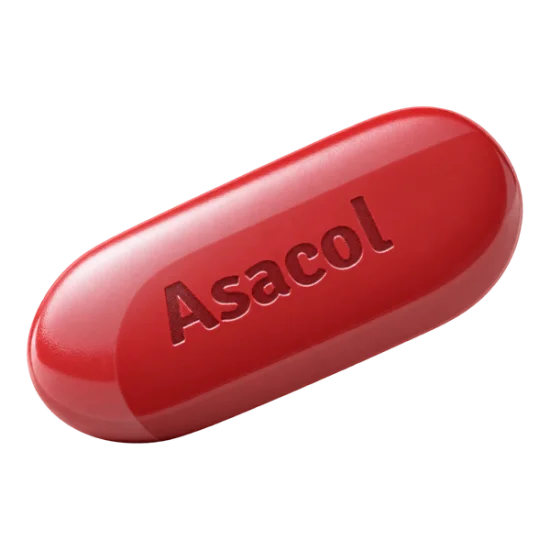
Asacol
Active ingredient: Mesalazine

Asacol

Quality products
24/7 Support
Fast delivery
Delivery from 4 days
Select pack Package Per unit Price

Free delivery on orders from AED 860.00, free express delivery from AED 1,290.00

Secure Payments
Track your order
Best price guarantee

Asacol delivers mesalazine directly to inflamed intestinal lining, where it reduces inflammatory activity in ulcerative colitis. It is intended for adults with mild-to-moderate disease, helping control active symptoms and support remission through local 5-ASA action.

Product information

Asacol tablets contain mesalazine, also called mesalamine or 5-aminosalicylic acid. Mesalazine belongs to the aminosalicylate group of anti-inflammatory medicines and is related to the salicylates. It is the active anti-inflammatory moiety of sulfasalazine.

Asacol is used in ulcerative colitis, an inflammatory bowel disease affecting the lining of the colon and rectum. The tablet formulation is designed to release mesalazine in the intestine rather than providing its main action throughout the bloodstream. This local approach helps concentrate treatment at the site of inflammation while limiting systemic exposure.

Active Ingredient and Pharmacological Class

Mesalazine, or 5-ASA, acts on inflammatory processes within the intestinal mucosa. It is not an immunosuppressant in the same way as azathioprine, and it does not work by broadly suppressing immune-cell activity throughout the body.

The tablet is a gastro-resistant oral formulation. Its coating protects the active substance from early release in the stomach and helps deliver it farther along the gastrointestinal tract. The precise release location depends on the formulation and its coating technology, so different mesalazine tablets should not automatically be treated as interchangeable.

Asacol is generally prescribed for ulcerative colitis rather than Crohn’s disease. Its strongest clinical role is in mild-to-moderate colonic inflammation, including treatment of a flare and maintenance of remission when continued use is appropriate. The American College of Gastroenterology includes oral 5-ASA therapy among established treatment approaches for mild-to-moderate ulcerative colitis [1].

Mesalazine tablets should be swallowed whole. Crushing, chewing, or breaking a gastro-resistant tablet can change where the drug is released and may reduce the intended local effect.

Dosage and administration

Tablet Formulation, Administration, and Release

Asacol is supplied as oral tablets. The product-specific dose and frequency depend on the purpose of treatment and are agreed with a doctor or pharmacist. A treatment plan for an active flare may differ from a lower maintenance plan.

  • Swallow the tablets whole with water.
  • Do not crush, chew, or split gastro-resistant tablets.
  • Take doses at the prescribed times each day.
  • Continue for the agreed treatment period, even if symptoms improve early.
  • If a dose is missed, take it when remembered unless the next scheduled dose is near; do not double the next dose.
  • Report persistent symptoms rather than increasing the dose independently.
A useful daily routine is to link the dose with a regular event, such as breakfast or an evening meal, when that timing matches the prescribed schedule. Missed-dose compensation with two doses together is unsafe.

Ingredients

Asacol tablets contain mesalazine, also called mesalamine or 5-aminosalicylic acid. Mesalazine belongs to the aminosalicylate group of anti-inflammatory medicines and is related to the salicylates. It is the active anti-inflammatory moiety of sulfasalazine.

Asacol is used in ulcerative colitis, an inflammatory bowel disease affecting the lining of the colon and rectum. The tablet formulation is designed to release mesalazine in the intestine rather than providing its main action throughout the bloodstream. This local approach helps concentrate treatment at the site of inflammation while limiting systemic exposure.

Active Ingredient and Pharmacological Class

Mesalazine, or 5-ASA, acts on inflammatory processes within the intestinal mucosa. It is not an immunosuppressant in the same way as azathioprine, and it does not work by broadly suppressing immune-cell activity throughout the body.

The tablet is a gastro-resistant oral formulation. Its coating protects the active substance from early release in the stomach and helps deliver it farther along the gastrointestinal tract. The precise release location depends on the formulation and its coating technology, so different mesalazine tablets should not automatically be treated as interchangeable.

Asacol is generally prescribed for ulcerative colitis rather than Crohn’s disease. Its strongest clinical role is in mild-to-moderate colonic inflammation, including treatment of a flare and maintenance of remission when continued use is appropriate. The American College of Gastroenterology includes oral 5-ASA therapy among established treatment approaches for mild-to-moderate ulcerative colitis [1].

Mesalazine tablets should be swallowed whole. Crushing, chewing, or breaking a gastro-resistant tablet can change where the drug is released and may reduce the intended local effect.

How it affects the body

Mesalazine acts mainly on the surface of the inflamed intestinal lining. It reduces the production and activity of inflammatory mediators, including pathways involved in prostaglandin and leukotriene synthesis. This can reduce mucosal inflammation, rectal bleeding, urgency, and increased stool frequency when those symptoms are caused by active ulcerative colitis.

Inhibition of Inflammatory Pathways

The exact mechanism is not limited to one biochemical target. Mesalazine may inhibit leukotriene synthesis, reduce oxidative damage, and influence inflammatory signalling within colonic epithelial cells and immune cells. These actions help calm the local inflammatory response without the broad systemic effects associated with corticosteroids.

The European Medicines Agency describes mesalazine products as locally acting anti-inflammatory treatments for inflammatory bowel disease. Clinical response is not always immediate. Bleeding and urgency may improve before bowel frequency fully settles, while mucosal healing can require a longer treatment period.

Therapeutic indications

Asacol is intended for mild-to-moderate ulcerative colitis. Severe flares, fever, marked dehydration, rapid heart rate, or heavy rectal bleeding require urgent medical assessment because oral mesalazine alone may not be enough.

Common mistakes

Several practical errors can reduce treatment benefit:

  • Chewing or crushing the tablet, which can disrupt its delayed-release coating.
  • Stopping treatment as soon as bleeding improves.
  • Doubling a missed dose.
  • Assuming every mesalazine product releases in the same intestinal location.
  • Treating a new fever and rash as an ordinary ulcerative colitis flare.
  • Taking frequent ibuprofen or similar pain relievers without mentioning them.
  • Missing kidney-function monitoring during prolonged treatment.
  • Changing from oral tablets to suppositories or enemas without a new prescription.
  • Judging treatment failure before the agreed assessment period has ended.

A common misunderstanding concerns remission. Maintenance treatment is intended to reduce the risk of relapse, so the absence of symptoms does not automatically mean that treatment can be stopped. The prescriber may reduce, continue, or change therapy according to disease history and objective findings.

When not to use it

The medicine is not for you if you have had a serious allergic reaction to mesalazine, another 5-ASA medicine, or an excipient in the specific tablet. Caution is also needed after a previous reaction to salicylates.

Tell the prescriber about:

  • Kidney disease, kidney stones, or abnormal renal test results.
  • Liver disease.
  • Stomach or duodenal ulceration.
  • Asthma or sensitivity to aspirin and other salicylates.
  • Previous pericarditis or myocarditis.
  • Pregnancy, planned pregnancy, or breastfeeding.
  • Use of medicines that affect blood clotting, kidney function, or immune activity.

Mesalazine may reduce digoxin absorption in some circumstances, which can lower digoxin exposure and affect treatment control. Combining mesalazine with other medicines that can affect the kidneys may increase the need for renal monitoring. The same applies to regular use of non-steroidal anti-inflammatory drugs, especially in people with previous kidney problems.

When this is not for you

Asacol is not suitable for everyone. Tell the prescriber about kidney disease, liver disease, stomach or duodenal ulceration, asthma or sensitivity to aspirin and other salicylates, previous pericarditis or myocarditis, pregnancy, planned pregnancy, breastfeeding, and medicines that affect blood clotting, kidney function, or immune activity.

Possible side effects

Mesalazine is often tolerated without serious problems, but adverse effects can occur. The most common complaints include headache, nausea, abdominal discomfort, dyspepsia, diarrhoea, and skin rash. Some symptoms overlap with ulcerative colitis itself, which makes timing and symptom pattern useful when assessing a possible reaction.

Kidney inflammation is uncommon but clinically significant. Mesalazine can cause interstitial nephritis or changes in renal function, so kidney tests are commonly assessed before treatment and periodically during longer courses. The FDA prescribing information for mesalamine products describes renal monitoring as an important safety measure [2].

Mesalamine-Induced Acute Intolerance Syndrome

Acute intolerance syndrome can resemble a worsening ulcerative colitis flare. Warning features may include new or increasing abdominal pain, bloody diarrhoea, fever, headache, and rash shortly after starting or restarting treatment. The pattern should not be managed by automatically increasing mesalazine.

A sudden combination of fever, rash, abdominal pain, and bloody diarrhoea after starting mesalazine deserves prompt medical review. It may represent acute intolerance rather than uncontrolled ulcerative colitis.

Other important reactions include:

  • Severe skin rash, blistering, peeling skin, or sores involving the mouth or eyes.
  • Breathing difficulty, facial swelling, or widespread hives.
  • Chest pain, palpitations, or signs of inflammation around the heart.
  • Marked reduction in urine, blood in the urine, or new swelling.
  • Unexplained bruising, recurrent infections, or severe sore throat.

Headache may improve as the body adjusts, but persistent or severe headache should be discussed with the prescriber. Nausea can sometimes be reduced by taking the medicine with food if the prescribed product instructions allow this, though food does not correct an inappropriate release pattern.

One practical detail is easy to miss: a flare and a drug reaction can look alike. The presence of fever or a new rash makes a medication reaction more concerning than a routine fluctuation in bowel symptoms.

Comparison

Generic Equivalents and Release Characteristics

Generic mesalamine products contain the same active substance as Asacol, but their coatings and release systems may differ. A product described as a generic equivalent to Asacol 400mg or an 800mg delayed-release mesalamine tablet may use a different pH threshold, coating material, or dissolution profile.

That difference can matter in ulcerative colitis. The medicine must reach the intended intestinal region before releasing its active substance. A switch between products should therefore be recorded in the treatment history, especially if symptoms change after the switch.

A mesalamine tablet is not automatically interchangeable with every other mesalamine tablet simply because the milligram amount appears similar. The active substance may match, while the release location does not.

Comparative Analysis with Alternative 5-ASA Therapies

Treatment approach Main release or action pattern Typical clinical role
Asacol mesalazine Delayed, pH-dependent intestinal release Mild-to-moderate ulcerative colitis involving the colon
Pentasa mesalazine Time-dependent release through the gastrointestinal tract Mesalazine treatment where broader intestinal distribution is desired
Sulfasalazine Bacterial breakdown in the colon releases 5-ASA and sulfapyridine Ulcerative colitis, with additional use in some inflammatory joint conditions

Asacol and Pentasa contain the same anti-inflammatory family member, mesalazine, yet their release mechanisms differ. Asacol uses a gastro-resistant, pH-dependent approach, while Pentasa uses prolonged release through the gastrointestinal tract. A patient who responds to one preparation may not experience the same result after an unsupervised switch.

Sulfasalazine is a prodrug. Bacteria in the colon split it into mesalazine and sulfapyridine. The sulfapyridine component can cause headache, nausea, rash, reduced sperm count, or other adverse effects in susceptible patients, so some people tolerate mesalazine alone better.

Azathioprine, also known by the brand name Imuran, belongs to a different class. It is an immunomodulator used in selected inflammatory bowel disease protocols, often when steroid-sparing treatment or maintenance of remission requires a broader immune effect. It does not provide the same rapid local anti-inflammatory action as mesalazine and requires different monitoring.

What doctors say

In clinical practice, gastroenterologists usually assess three factors before choosing oral mesalazine: the extent of colonic inflammation, whether the patient is experiencing a flare or maintaining remission, and the person’s previous response to 5-ASA treatment.

A doctor will also distinguish symptom control from mucosal healing. Feeling better is useful, but it does not always mean that inflammation has fully settled. Persistent urgency, blood, nocturnal stools, weight loss, or raised inflammatory markers may indicate incomplete control.

The World Health Organization recognises inflammatory bowel disease as a chronic condition requiring long-term management rather than short episodic treatment. For suitable patients, maintenance mesalazine may be continued for an extended period, with periodic clinical review and kidney monitoring.

Doctors are cautious when symptoms worsen soon after treatment begins. The first response should be to assess adherence, infection, disease severity, and acute mesalazine intolerance. Increasing the dose without that assessment can make a drug reaction harder to recognise.

Common questions

Can Asacol be combined with pain relievers or supplements?

The answer depends on the specific product, dose, and kidney health. Guidance from the FDA and renal-safety information reviewed in 2024 support caution with regular non-steroidal anti-inflammatory drugs because they may add kidney stress. Digoxin, aspirin-containing products, and supplements with uncertain ingredients should be disclosed before treatment. Occasional paracetamol may be considered differently from regular ibuprofen, but the choice should match the patient’s medical history. A pharmacist can help review potential kidney-related interactions.

How long does an Asacol course last, and is long-term use acceptable?

Treatment duration depends on whether Asacol is being used for an active flare or maintenance of remission. NICE guidance updated in 2019 supports continued 5-ASA treatment for suitable people when it controls ulcerative colitis and remains tolerated. Long-term use can be appropriate, with periodic review and kidney-function monitoring. Stopping suddenly without a treatment plan may increase the chance of relapse.

What should be discussed with a doctor before starting Asacol?

The prescriber should know about previous reactions to mesalazine, mesalamine, sulfasalazine, aspirin, or other salicylates. The FDA prescribing information reviewed in 2022 also supports discussion of kidney disease, liver disease, ulcer history, pregnancy, breastfeeding, and current medicines. Recent bowel symptoms should be described clearly, including bleeding, fever, nocturnal diarrhoea, and weight loss. A baseline kidney assessment may be needed before prolonged treatment.

Can alcohol be used while taking Asacol?

Alcohol does not have the same direct interaction as it does with some sedating medicines, yet it can worsen dehydration, diarrhoea, reflux, or abdominal discomfort. Patient guidance from the NHS in 2025 continues to support moderation and attention to individual symptoms in inflammatory bowel disease. Avoiding alcohol is sensible during a significant flare, especially when fluid loss is present. Alcohol should not be used to mask worsening pain, fever, or rectal bleeding.

Does Asacol affect driving, concentration, or work with machinery?

Asacol is not expected to impair driving or concentration for most people. The EMA product information reviewed in 2024 recognises that headache, dizziness, or feeling unwell can occur in some patients. Do not drive or operate machinery if those symptoms affect alertness, vision, balance, or reaction time. The underlying flare, dehydration, poor sleep, or anaemia may impair work performance even when the medicine itself does not.

Do you offer anonymous delivery?

Your order will be securely packed and shipped within 24 hours. This is exactly what your package will look like (images of an actual item sent). It has the size and look of a regular private letter (24x11x0.7 cm) and its contents cannot be seen.

Reviews: Asacol

3.8
Based on 4 reviews
Tariq, 61 Al Khawaneej
Verified
Rating: 4 out of 5

I used the tablets during a flare. The blood settled first, but urgency took longer. I found the schedule manageable, although I needed reminders for the afternoon dose. I followed the prescribed dosage for the treatment period.

28 Oct 2026
Dana, 57 Khor Fakkan
Verified
Rating: 4 out of 5

After several weeks my bowel movements became more predictable. I still had headaches during the first part of treatment, and I did not increase the dose when symptoms briefly returned. I followed the prescribed dosage for the treatment period.

1 Nov 2026
Ali, 39 Al Ain
Verified
Rating: 3.5 out of 5

The tablets helped me return to work without planning every journey around a toilet. I disliked the stomach discomfort at the beginning, and follow-up kidney tests were part of my treatment plan. I followed the prescribed dosage for the treatment period.

6 Oct 2026
Priya C., 48 Al Reem Island
Verified
Rating: 3.5 out of 5

Mesalazine reduced the bleeding, but it was not an instant change. I had a rash after restarting treatment and stopped taking further doses until the prescriber reviewed it. I stopped before completing the prescribed treatment duration.

12 Oct 2026

Sources

  1. American College of Gastroenterology (2019). ACG Clinical Guideline: Management of Ulcerative Colitis in Adults
  2. U.S. Food and Drug Administration (2022). Asacol HD (mesalamine) Delayed-Release Tablets Prescribing Information
Get our free app Shop faster and track your orders 3.9 · 576 reviews Install
