Skip to content
Antabuse
Active ingredient: Disulfiram

Antabuse

Quality products
24/7 Support
Fast delivery
Delivery from 4 days
Select pack Package Per unit Price

Free delivery on orders from AED 860.00, free express delivery from AED 1,290.00

Secure Payments
Track your order
Best price guarantee

Antabuse contains disulfiram, which changes alcohol metabolism and creates a strong physical deterrent to drinking. It is intended for adults with alcohol dependence who are pursuing abstinence within a supervised treatment plan.

Product information

Antabuse is a prescription medicine containing disulfiram, an alcohol-sensitising aldehyde dehydrogenase inhibitor. It belongs to the alcohol-abstinence treatment category and is used as a deterrent when alcohol dependence is managed within a supervised plan.

Dosage and administration

The dose is decided individually, taking age, other medicines, and health conditions into account. Antabuse tablets are taken by mouth at the frequency selected by the prescriber.

  • Take the tablet only in the prescribed amount and schedule.
  • Swallow it with water.
  • Do not take an extra tablet after a missed dose unless the prescriber has given that specific instruction.
  • Never use a double dose to compensate for a missed dose.
  • Avoid alcohol during treatment and for the post-treatment interval specified by the prescriber.
  • Continue the agreed follow-up plan even when alcohol cravings appear reduced.

The length of treatment varies. Some people receive disulfiram for a limited relapse-prevention period; others continue longer when supervised treatment remains appropriate. Long-term use requires attention to liver symptoms, neurological symptoms, adherence, and the continuing suitability of the treatment.

Tell every doctor, dentist, emergency clinician, and pharmacist that you use disulfiram. This is especially useful before procedures, new prescriptions, or treatment for cough, pain, infection, or indigestion.

A missed dose does not justify drinking alcohol. The deterrent effect may persist after a dose has been missed because disulfiram’s influence on aldehyde dehydrogenase can continue beyond the time the tablet is swallowed.

Ingredients

Antabuse tablets contain disulfiram, an aldehyde dehydrogenase inhibitor used to support abstinence from alcohol. Disulfiram does not reduce alcohol cravings in the same way as craving-focused treatments; its role is to make alcohol consumption physically unpleasant or dangerous.

Antabuse may be prescribed for adults with alcohol dependence, including people described in older clinical terminology as chronic alcoholic patients, when a clinician considers a deterrent approach suitable. Treatment works best when combined with structured alcohol-dependence care, monitoring, and a clear plan for avoiding alcohol.

Disulfiram is a prescription-only substance. Some national systems place it within a Schedule 4 prescription-only medicine category, while local classification is determined by the relevant regulator, including MOHAP in the United Arab Emirates.

Active Ingredient and Tablet Form

Each Antabuse tablet contains disulfiram. The tablet is swallowed by mouth according to the individually selected regimen.

Disulfiram is classified pharmacologically as an alcohol-sensitising agent. It acts on alcohol metabolism rather than producing intoxication, sedation, or a direct reduction in alcohol craving.

Disulfiram treatment should begin only after the prescribing clinician has established that alcohol has been cleared from the body. Starting too soon after drinking can trigger a reaction.

A practical detail matters here: alcohol exposure can come from more than drinks. Alcohol-containing mouthwash, cooking extracts, some sauces, liquid medicines, and topical products may create problems for sensitive patients. The FDA prescribing information warns that reactions can occur with alcohol exposure during treatment and for a period after the last dose [1].

How it affects the body

The liver normally processes ethanol in two main stages. Alcohol is first converted into acetaldehyde. Aldehyde dehydrogenase then converts acetaldehyde into acetate, which the body can process further.

Disulfiram blocks aldehyde dehydrogenase. If alcohol is consumed while disulfiram remains active, acetaldehyde accumulates in the bloodstream. This produces the disulfiram–alcohol reaction, which can include facial flushing, pounding headache, nausea, vomiting, chest discomfort, palpitations, sweating, shortness of breath, dizziness, and a fall in blood pressure.

The reaction may begin within minutes of alcohol exposure. Its intensity varies, and serious cardiovascular complications can occur. The mechanism is deliberately aversive: the expectation of an unpleasant reaction supports an alcohol-free routine.

Disulfiram does not remove the underlying causes of alcohol dependence. It also does not provide protection against withdrawal complications. A person who drinks heavily every day may need medically supervised withdrawal management before starting an abstinence-support medicine.

Disulfiram Compared with Other Treatment Mechanisms

Treatment approach Main pharmacological action Practical role
Disulfiram Blocks aldehyde dehydrogenase Deterrent when alcohol is consumed
Acamprosate Modulates glutamate and GABA signalling Supports maintenance of abstinence
Naltrexone Blocks opioid receptors Can reduce alcohol reward and craving

Acamprosate and naltrexone do not create the same alcohol-triggered reaction. They may suit different clinical situations, including cases where a patient cannot reliably avoid hidden alcohol exposure or where craving reduction is the main treatment goal. The choice depends on liver and kidney function, opioid use, treatment adherence, withdrawal history, and the person’s recovery plan.

The World Health Organization describes alcohol-use-disorder treatment as a combination of clinical care, psychosocial support, and relapse-prevention strategies rather than reliance on one tablet alone [2].

Therapeutic indications

Antabuse may be prescribed for adults with alcohol dependence, including people described in older clinical terminology as chronic alcoholic patients, when a clinician considers a deterrent approach suitable. Treatment works best when combined with structured alcohol-dependence care, monitoring, and a clear plan for avoiding alcohol.

Common mistakes

Several avoidable errors reduce the benefit of disulfiram treatment:

  • Starting after recent drinking without medical clearance
  • Assuming a small amount of alcohol cannot trigger a reaction
  • Using alcohol-containing cough syrup or mouthwash
  • Treating a missed dose as a reason to drink
  • Stopping the medicine after a few alcohol-free days
  • Hiding disulfiram use from a dentist or emergency clinician
  • Ignoring jaundice, dark urine, severe fatigue, or numbness
  • Taking another person’s dose
  • Combining disulfiram with sedatives without a medication review
  • Forgetting that the alcohol reaction can continue after the final tablet

The commonest misconception is that disulfiram removes the desire to drink. Its primary action is deterrence. Cravings may still occur and need their own treatment plan.

Another mistake is focusing only on beverages. Alcohol exposure from medicines, food products, and personal-care items can matter. Reading ingredient information before using a new liquid product is a practical part of treatment.

When not to use it

  • Current alcohol intoxication or recent alcohol consumption that has not been medically assessed
  • Severe liver disease or active hepatitis
  • A previous serious reaction to disulfiram
  • Certain psychotic disorders or severe cognitive impairment that would make treatment unsafe
  • Severe heart disease or unstable cardiovascular disease
  • Use of alcohol-containing medicines or products that cannot be stopped
  • Inability to understand or follow the alcohol-avoidance requirement

Disulfiram may interact with several medicines. Important examples include warfarin, phenytoin, isoniazid, metronidazole, benzodiazepines, and some antidepressants. The interaction may increase bleeding risk, alter seizure-medicine concentrations, intensify neurological effects, or increase sedation.

Disulfiram can also interfere with the metabolism of some medicines through liver enzyme effects. A complete medicine list should include prescribed drugs, over-the-counter products, herbal preparations, vitamins, topical products, and liquid medicines.

Pregnancy and breastfeeding require an individual risk assessment. Alcohol dependence itself can harm pregnancy, while disulfiram has its own treatment considerations. The decision should account for abstinence support, liver health, relapse risk, and available alternatives.

When this is not for you

This treatment may not be suitable if you have serious liver or heart problems, are still drinking or may be intoxicated, have had a serious reaction to disulfiram, or cannot reliably avoid alcohol in drinks, medicines, foods, or personal-care products. It may also be unsafe if you cannot understand the alcohol-avoidance requirement, have certain severe mental or cognitive conditions, or take medicines that interact with disulfiram. Pregnancy and breastfeeding require an individual discussion with a clinician.

Possible side effects

Disulfiram can cause side effects even when no alcohol is consumed. Common reactions include headache, tiredness, metallic or garlic-like taste, drowsiness, skin irritation, stomach discomfort, and changes in liver enzymes. Some patients also report tingling or altered sensation in the hands and feet.

Liver injury is the most clinically significant non-alcohol-related risk. Warning symptoms include unusual tiredness, loss of appetite, persistent nausea, vomiting, abdominal pain, dark urine, pale stools, yellowing of the skin or eyes, or widespread itching. These symptoms require prompt medical assessment and may lead to discontinuation.

Neurological effects can include numbness, weakness, reduced coordination, confusion, or visual changes. A clinician may use blood tests to assess liver function during treatment, especially when symptoms arise or when treatment continues for an extended period.

A metallic taste is easy to dismiss, but new numbness, balance problems, or yellowing of the eyes should not be treated as ordinary adjustment symptoms.

The disulfiram–alcohol reaction is more urgent. Symptoms may include:

  • Facial warmth and flushing
  • Throbbing headache
  • Rapid heartbeat or palpitations
  • Nausea and repeated vomiting
  • Sweating and weakness
  • Dizziness or fainting
  • Chest tightness or breathing difficulty
  • Confusion, collapse, or severe low blood pressure

Severe symptoms after alcohol exposure require emergency medical care. Do not attempt to counteract the reaction with another medicine or by consuming more fluids containing alcohol.

One practical problem is accidental exposure. Alcohol may be present in cough syrups, liquid nutritional products, sauces, vinegar-based preparations, cooking wine, and some personal-care products. The reaction can also occur after treatment has ended because the enzyme effect may persist.

The European Medicines Agency evaluates disulfiram-type risks through product information and pharmacovigilance principles, while national regulators determine the wording and monitoring requirements applicable in each market [3].

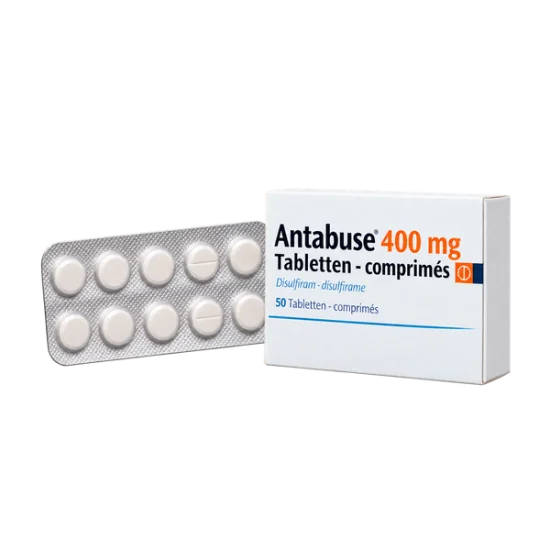
Comparison

Disulfiram is most suitable when the treatment plan can support reliable abstinence and supervision. It provides a clear consequence for drinking, yet that consequence can be dangerous if alcohol exposure is accidental or deliberate.

Acamprosate may be considered when maintaining abstinence is the central goal and kidney function allows its use. Naltrexone may be considered when reducing alcohol reward or craving is more relevant, although opioid use and liver status affect its suitability. These are clinical distinctions, not interchangeable dosing options.

No alcohol-deterrent medicine replaces withdrawal assessment. Sudden cessation after prolonged heavy drinking can lead to tremor, seizures, hallucinations, or delirium, which may require urgent medical treatment.

What doctors say

In clinical practice, doctors often assess three issues before prescribing disulfiram: the person’s commitment to abstinence, the ability to avoid all alcohol exposure, and the presence of liver or cardiovascular risks.

A physician may also ask whether a trusted person can support supervised dosing. This arrangement can improve adherence for some patients, though it must respect consent, dignity, and local clinical practice.

The main limitation is clear: disulfiram can deter drinking, but it does not directly treat every biological and psychological feature of alcohol dependence. Counselling, relapse-prevention work, family support, and treatment of depression or anxiety may still be needed.

A useful expectation is gradual stability rather than a single dramatic change. The National Institute for Health and Care Excellence recommends matching alcohol-dependence treatment to withdrawal history, physical health, psychological needs, and relapse risk [4].

Common questions

What should be discussed with a doctor before starting Antabuse?

A clinician should review recent alcohol intake, liver disease, heart conditions, psychiatric history, allergies, pregnancy or breastfeeding, and every medicine or supplement being used. The FDA's 2021 prescribing information identifies liver injury, neurological effects, and alcohol-triggered reactions as key safety considerations for disulfiram . This discussion should also cover whether supervised dosing, counselling, or withdrawal treatment is needed. A clear plan for emergency care should be agreed before treatment begins. MOHAP requirements and local prescribing procedures may determine how treatment is monitored in the UAE.

How long does an Antabuse course last, and is long-term use acceptable?

Treatment duration is individual and may range from a defined relapse-prevention period to longer supervised use. Continued treatment requires periodic review of liver symptoms, neurological effects, adherence, and the person’s recovery goals. The WHO's 2019 guidance supports continuing care for alcohol dependence when it remains clinically appropriate rather than treating recovery as a short event . Long-term use is acceptable only when the prescriber continues to judge that its benefits outweigh its risks.

What should happen if the expected result does not come?

A lack of improvement may mean that cravings, withdrawal symptoms, depression, anxiety, social triggers, or medication adherence need reassessment. Do not increase the dose or drink alcohol to test whether the treatment is working. The 2011 NICE guidance supports reviewing the wider treatment plan, including psychosocial support and alternative pharmacological approaches, when relapse risk remains high . A doctor may reconsider the diagnosis, treatment setting, monitoring, and suitability of disulfiram.

What is the best time of day to take Antabuse?

There is no single best time for every patient because the schedule depends on the prescribed regimen, daily routine, other medicines, and supervision arrangements. Taking it at a consistent time can reduce missed doses, but the selected time should come from the prescriber’s plan. The EMA's 2018 product-information approach places dosing, contraindications, and interaction assessment within the individual treatment decision . Avoid changing the timing or splitting the regimen without clinical direction.

Can Antabuse affect driving, concentration, or work with machinery?

Disulfiram may cause drowsiness, fatigue, dizziness, headache, visual disturbance, or impaired coordination in some patients. These effects can make driving or machinery work unsafe, especially during the early treatment period or after a dose change. The FDA's 2021 prescribing information describes neurological and sensory adverse effects that may require treatment review . Do not drive or operate machinery if alertness, balance, vision, or concentration is affected.

Do you offer anonymous delivery?

Your order will be securely packed and shipped within 24 hours. This is exactly what your package will look like (images of an actual item sent). It has the size and look of a regular private letter (24x11x0.7 cm) and its contents cannot be seen.

Reviews: Antabuse

3.5
Based on 3 reviews
Adnan K., 44 Al Barsha Several months
Verified
Rating: 3.5 out of 5

I used the 400 mg tablet under supervision for several months. The first week brought a metallic taste and some tiredness, but the clear alcohol rule helped me stay focused. I still needed counselling because cravings did not disappear.

1 Nov 2026
Ahmed H., 61 Umm Al Quwain About three weeks
Verified
Rating: 3.5 out of 5

I used the 400 mg tablet for about three weeks and felt more confident refusing drinks at family gatherings. I made one mistake with a liquid cold remedy and developed flushing and nausea, so I stopped using products without checking their ingredients first. The treatment helped, but it required constant attention.

6 Oct 2026
Sultan, 62 Ras Al Khaimah Several months
Verified
Rating: 3.5 out of 5

I took the 400 mg Antabuse tablet as part of a supervised plan for several months. It was useful as a deterrent, although I disliked the tiredness and dry mouth during the early period. My doctor reviewed my medicines and liver tests before continuing.

19 Oct 2026

Sources

  1. U.S. Food and Drug Administration (2021). Antabuse (disulfiram) Prescribing Information.
  2. World Health Organization (2019). International Standards for the Treatment of Drug Use Disorders.
  3. European Medicines Agency (2018). Guideline on good pharmacovigilance practices.
  4. National Institute for Health and Care Excellence (2011). Alcohol-use disorders: diagnosis, assessment and management of harmful drinking and alcohol dependence.
Get our free app Shop faster and track your orders 3.9 · 576 reviews Install
